
Life in the Gulf of Mexico
Sea creatures in the Gulf

The Gulf of Mexico is an oceanic basin and a marginal sea of the Atlantic Ocean, mostly surrounded by the North American continent.The Gulf of Mexico yields more fish, shrimp, and shellfish annually than the South and Mid-Atlantic, Chesapeake, and New England areas combined. Although it has its own name and boundaries, the Gulf of Mexico can be considered part of the Atlantic Ocean, as oceans have no hard boundaries.
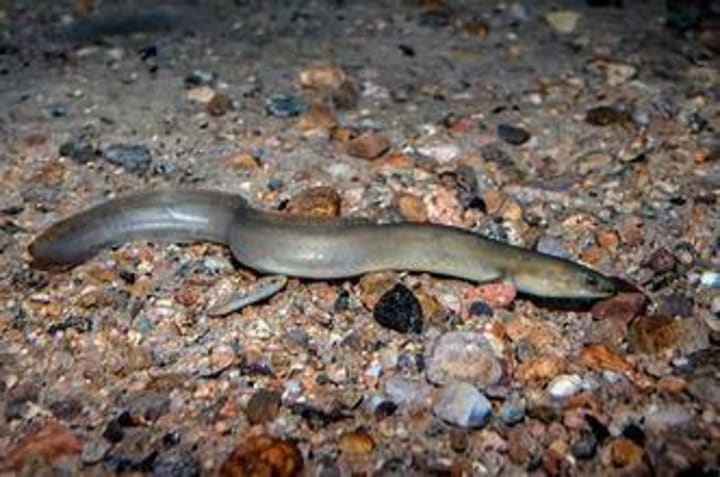
American eels are enigmatic creatures of the Gulf. With their serpentine bodies, they are often mistaken for snakes. These eels are known for their amazing journeys from freshwater rivers to the saltwater Sargasso Sea for breeding. American eels are nocturnal. They have the ability to breathe through their skin and can survive in diverse environments.
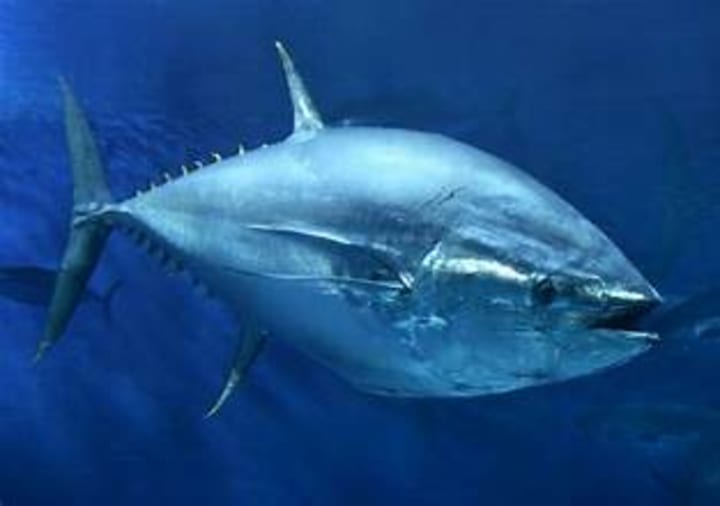
Atlantic bluefin tunas are known for their speed and agility. They have torpedo-shaped bodies enabling them to move rapidly through the water. Their migratory nature involves crossing entire oceans, emphasizing impressive endurance. Bluefin tunas are essential for the marine diversity of the Gulf, and sustainable practices are essential to maintain the balance of this iconic species.
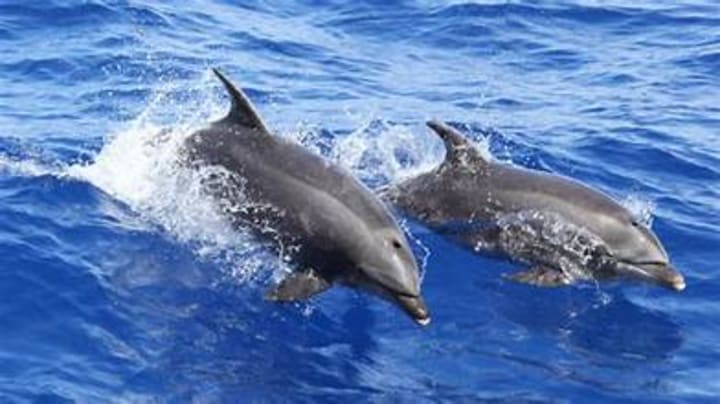
Bottlenose dolphins are a joy to see and always look happy. They are the charismatic inhabitants of the Gulf and known for their intelligence and social behavior. They can often be seen being playful and leaping out of the water.
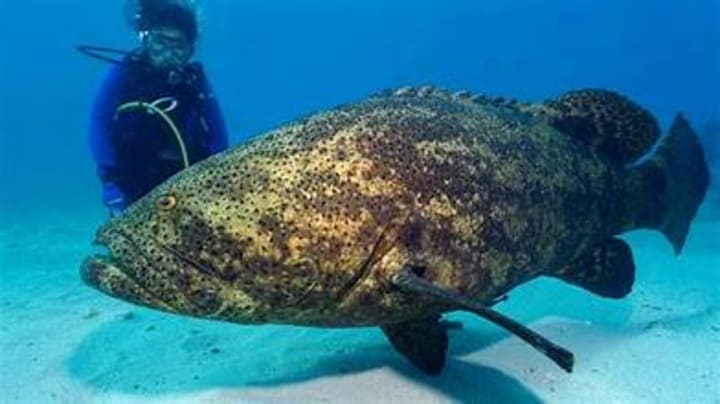
Goliath groupers are the true giants of the Gulf. These fish can be found near shipwrecks and reefs. They feed on crustaceans and small fish, playing a pivotal role in maintaining reed health. Goliath groupers are gentle giants.
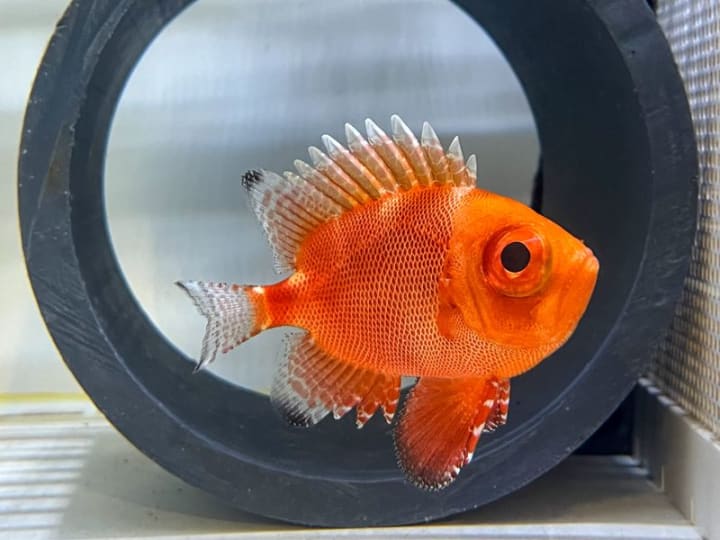
Gulf Stream orphans are luminescent fish in their natural habitat. These are slender fish with elongated fins, which shimmer as they swim through the watery depths. Gulf Stream orphans mostly live in open waters and have a great adaptability to changing temperatures and pressure.
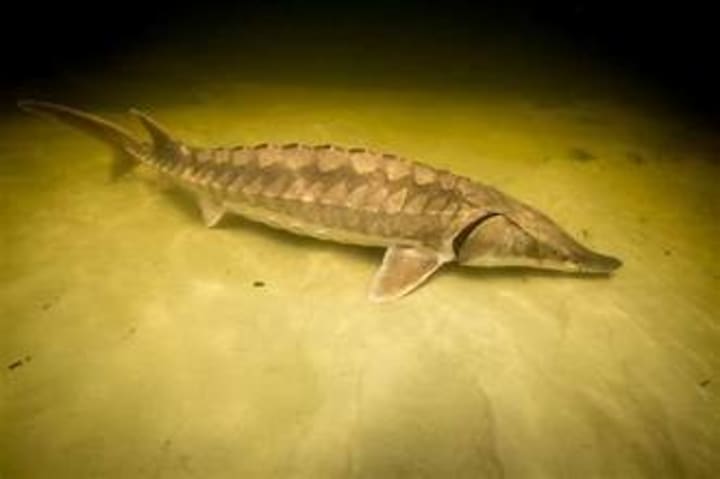
Gulf sturgeons are prehistoric-type fish recognizable by their armor-like bony plates and distinctive scutes. These fish prefer river habitats and embark on migratory journeys to spawn. Their survival story is crucial for understanding the ecological balance in Gulf ecosystems and the role of migratory fish in nutrient cycling.
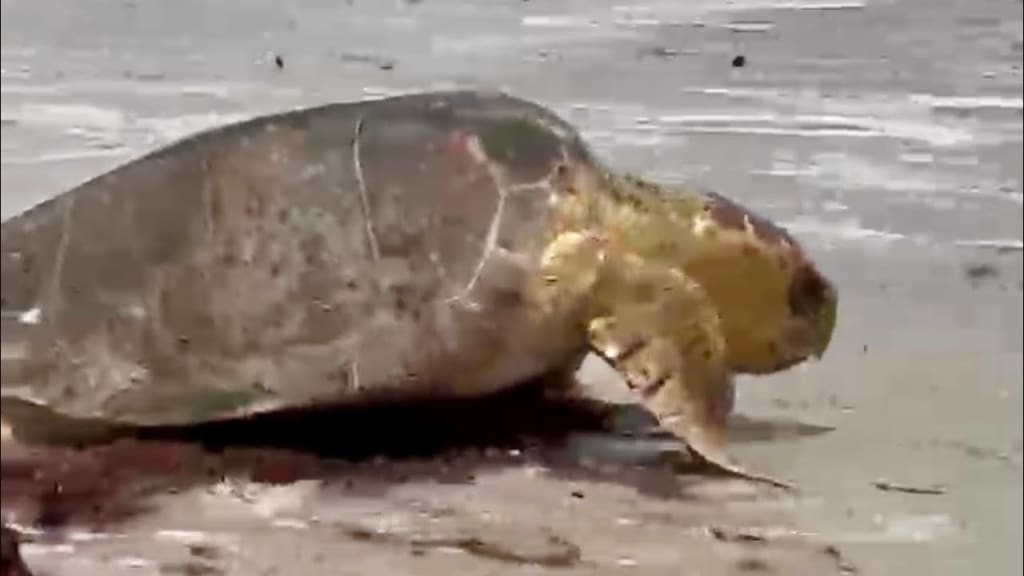
Loggerhead turtles (pictured above) are known for their powerful flippers and massive heads. They nest along sandy beaches and can often be seen swimming near the surface. Their presence is a vital indicator of the health of marine ecosystems, emphasizing the need for continued conservation initiatives to ensure their survival.
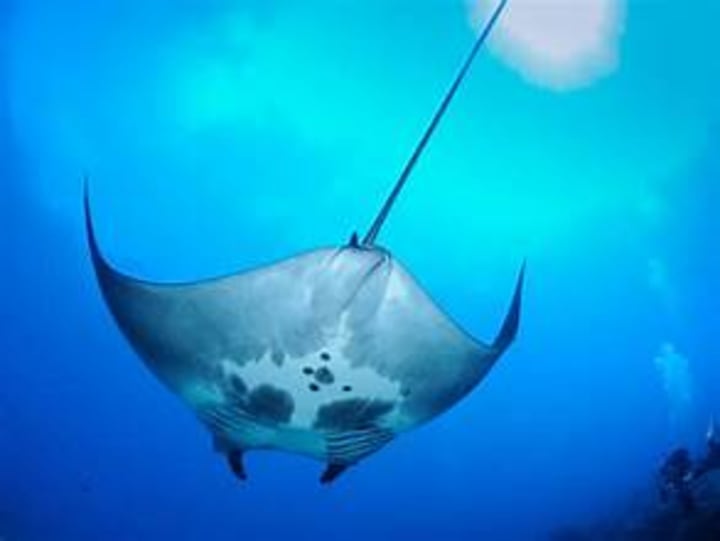
Manta rays are elegant flyers across the waters. They have a wingspan of up to 23 feet. They glide through the Gulf’s waters, feeding on plankton with their large, open mouths. These are gentle giants and a sight to see gliding through the waters. Their presence indicates a healthy ecosystem, and efforts to protect them are vital for the Gulf’s biodiversity.
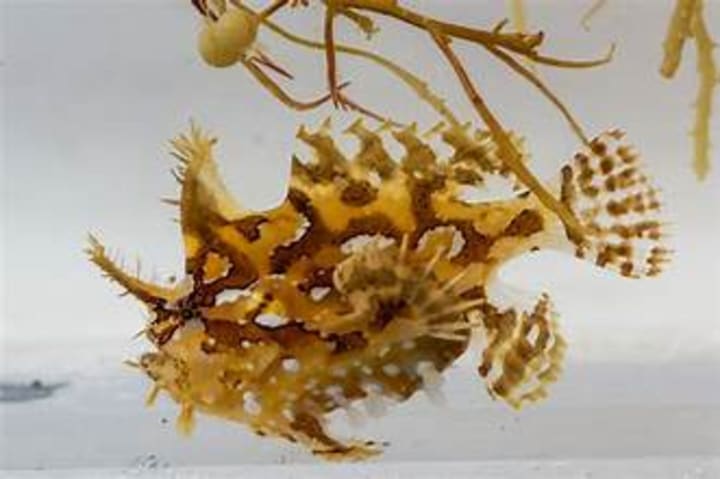
Sargassum fish are real masters of disguise and blend in well with floating Sargassum seaweed. These small fish use their modified fins to walk among the seaweed. The health of Sargassum ecosystems is crucial for their survival. Observing these fish in their natural habitat offers insight into the complex interplay between marine organisms and their environments, underscoring the importance of conserving these unique ecosystems.
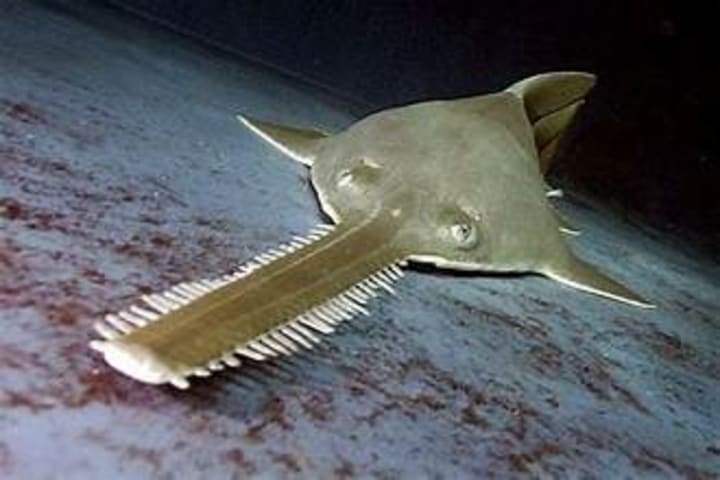
Sawfish are ancient creatures of the Gulf, identifiable by their distinctive saw-like snouts. These fish glide along the ocean floor, using their snouts to find prey. They are gentle giants.
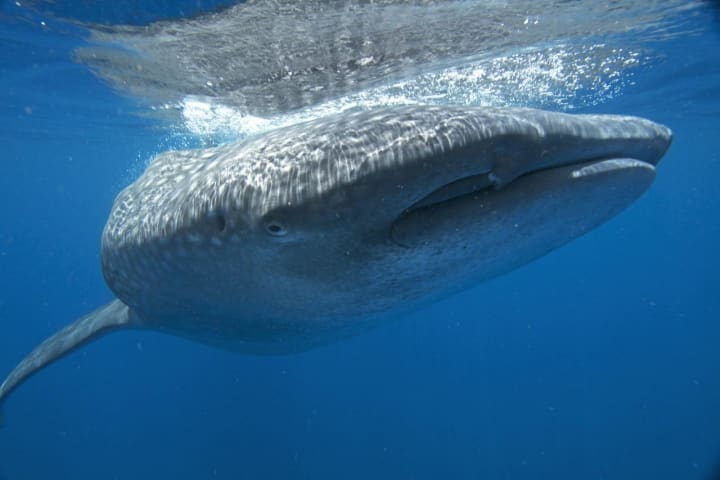
Whale sharks are gentle giants in the Gulf and the largest fish species on Earth. They use filter-feeding habits, gliding through the waters consuming plankton. They are necessary for biodiversity and keeping up sustainable practices in the Gulf. It is always a difficult thing to do with the loss of certain habitats.
About the Creator
Rasma Raisters
My passions are writing and creating poetry. I write for several sites online and have four themed blogs on Wordpress. Please follow me on Twitter.
Keep reading
More stories from Rasma Raisters and writers in Earth and other communities.
Trump’s Greenland Threats Push Europe Toward Divorcing America
When you think of Greenland, the first things that probably come to mind are icebergs, polar bears, and maybe some adventurous explorers. But lately, Greenland has become the center of a major diplomatic drama — one that’s forcing Europe to question its long-standing relationship with the United States. And the spark? Donald Trump’s threats over Greenland. The Controversy: Trump’s Unusual Move Back in January 2026, Trump shocked the world again, not with an election campaign but with a bold — and many would say bizarre — plan to acquire Greenland. But he didn’t stop at just “expressing interest.” He threatened eight European nations with tariffs — starting at 10% and potentially climbing to 25% — unless Denmark agreed to sell Greenland to the U.S. Yes, you read that right: tariffs on allies to buy a remote Arctic island. For Europe, this was more than shocking — it felt like a betrayal from a partner they’ve relied on for decades. Europe’s Response: Outrage and Solidarity European leaders didn’t hold back. Germany, France, Norway, the UK, and others banded together to condemn Trump’s approach. The message was clear: Europe won’t be blackmailed. Even usually cautious leaders spoke up. Norway’s Prime Minister bluntly said, “Threats have no place among allies.” Meanwhile, European Commission President Ursula von der Leyen emphasized that tariffs between allies “have no place” and could undermine decades of cooperation. This isn’t just a political disagreement. Europe sees this as a test of trust, sovereignty, and alliance reliability. Why Greenland Matters At first glance, Greenland might seem like just a frozen island. But strategically, it’s a big deal: Location: Greenland sits between North America and Europe, controlling key air and sea routes. Military Importance: It hosts radar and U.S. military infrastructure critical to early-warning systems. Resources: Beneath the ice lie minerals and rare earth elements that the world desperately needs. For Europe, Greenland is also about principle. The island belongs to Denmark and the Greenlandic people, not Washington. Europe’s support for Denmark shows a broader commitment to respecting sovereignty — a principle that Trump’s threats directly challenged. The Bigger Picture: A Crisis of Trust Greenland may just be the tip of the iceberg. For years, European nations have felt frustrated by U.S. policies that seemed unpredictable — whether it’s climate agreements, trade deals, or security commitments. Trump’s Greenland threats amplified these frustrations. Suddenly, Europe is questioning something fundamental: Can the U.S. be trusted as a long-term partner? Some European leaders have even started talking about a kind of “divorce” from the U.S. — not literally leaving NATO, but rethinking how dependent they should be on America for security and strategic decisions. Europe’s Path Toward Strategic Independence This Greenland drama is accelerating discussions about European strategic autonomy. Basically, Europe is asking: Should we be able to protect our own interests without always relying on the U.S.? The EU has long talked about building stronger defense capabilities and investing more in its own military, but progress has been slow. Greenland might just be the wake-up call that finally pushes Europe to act. What’s Next? So, what happens from here? Europe isn’t just going to sit quietly. Leaders are looking at: Economic counter-measures like tariffs on U.S. goods Strengthening European defense and security collaboration Reasserting Europe’s role on the global stage, with less reliance on Washington Even if Europe doesn’t fully “divorce” America, Greenland is changing the terms of the transatlantic partnership. Europe will now demand more respect, clearer rules, and recognition of its sovereignty — and they’re not afraid to make that clear. Why This Matters to All of Us You might wonder why this matters if you’re not in Europe or the U.S. Greenland may seem remote, but this story is about alliances, trust, and how global power is shifting. The way Europe responds could reshape the world order, affect trade, military cooperation, and even the global economy. And for anyone following U.S.-European relations, it’s a reminder that sometimes the smallest places — even a frozen island — can have huge global consequences. Bottom line: Trump’s Greenland threats aren’t just a bizarre footnote in history. They’re a wake-up call for Europe, forcing the continent to rethink its ties with America and consider a future where it can act independently — strategically, economically, and politically. Greenland, icy as it is, might just melt the old rules of alliance forever.
By Muhammad Hassan4 days ago in Earth
New York Prepares for Possibly Its Heaviest Snowfall in Years
New York City and surrounding areas are preparing for what could be one of the heaviest snowfalls in years, according to meteorologists. The forecast predicts intense snow, gusty winds, and potentially hazardous conditions, prompting city officials, emergency services, and residents to take precautionary measures.
By Muhammad Hassanabout 20 hours ago in Earth



Comments
There are no comments for this story
Be the first to respond and start the conversation.