
Life Cycle of a beautiful butterfly!
Amazing & Interesting


The life cycle of a butterfly is truly amazing. Butterflies have four life stages, the egg, the larva ( caterpillars), the pupa (chrysalis), and the adult butterfly. Each of them are very unique to individual species of butterflies which is kinda of what makes watching and raising butterflies so much fun and beautiful to watch!
The Butterfly Egg:
The egg stage usually lasts 3-7 days but this can vary among different species of butterflies. In fact some species overwinter as eggs and undergo diapause to survive the many months of winter. Usually 8 out of 400 eggs live to become adult butterflies. Nature kills about 98% of them before they become adults.
The Butterfly Caterpillar:
A very tiny caterpillar hatches from the egg. The first meal for most caterpillars is the eggshell. The caterpillar is designed to be an “eating-machine” and before it begins to pupate it will increase its body mass thousands of times.
Also, Caterpillars will molt several times as they outgrow their exoskeleton. Each time they do their appearance will change, sometimes rather dramatically!
A butterfly will stay in the caterpillar stage for about 2-5 weeks based on the species and the growing conditions.It is believed that the caterpillar stage is the most dangerous in the life cycle of a butterfly as the mortality rates are very high. Caterpillars are subject to weather conditions, disease, parasites and predators. Many adult butterfly species lay hundreds of eggs with only a few surviving to become adults.
The Butterfly Chrysalis:
When they get ready to pupate or form a chrysalis, they will have a silk mat and attach itself at the base. The caterpillar might spin a string of silk around its body and attach the strings to a branch to hold the chrysalis in place in the same way that somebody hangs from the side of a building with a rope and harness . Not all butterfly species attach in the same way. Actually, the majority of butterflies will hang upside down from their silk pad.
The pupal shell will develop underneath the caterpillar’s skin. This shell can take many forms and shapes depending on the species of butterfly. Once the caterpillar is firmly in place the exoskelton will split off exposing the pupa. Most butterfly species will stay in the chrysalis for about 1-2 weeks before the butterfly emerges. Several species overwinter as a pupa and will thus enter diapause in the Fall and stay as a pupa until Spring when the butterfly emerges.
When a butterfly emerges from a chrysalis its wings are crumpled. The butterfly will hang with its wings down and will begin pumping the wings full of fluids from their body to straighten them out. Then the butterfly must wait several hours for the wings to harden and dry before it can fly away.
The lifespan of most adult butterflies is about 2-3 weeks but this can vary greatly among species. There are about 20,000 different species in the world! Species that over winter as adults (such as Monarchs) will live for many months (this is only true for the last generation Monarchs each summer that is migrating).
In their lifespan the female adults butterflies must find a mate and the right plants on which to lay their eggs to begin the butterfly life cycle all over again. Interesting facts:
-Butterflies use their feet to taste
-Their wings are transparent
-They can see colors they we cannot!
-Monarch butterflies can fly 50-100 miles a day
-A group of butterflies are called a kaleidoscope which is spelt very weird!
-Groups of caterpillars are called a army
-The mayfly spends two years as larva underwater but only lives for one day in the adult stage.
About the Creator
Krissy Ingram
I’m a 18 year old female, i graduated highschool. I’m now looking for simple fun ways to make money for my own home. I love criminal justice & different butterflies, so I’ll be talking about those things! 🦋
Keep reading
More stories from Krissy Ingram and writers in Earth and other communities.
Beautiful butterflies
Butterflies have captivated human hearts for centuries with their stunning colors and delicate fluttering wings. These graceful creatures, belonging to the order Lepidoptera, are not only a symbol of beauty but also important pollinators in the natural world. In this article, we will take a closer look at the fascinating world of butterflies and explore their life cycle, behavior, and ecological significance.
By Krissy Ingram 2 years ago in Earth
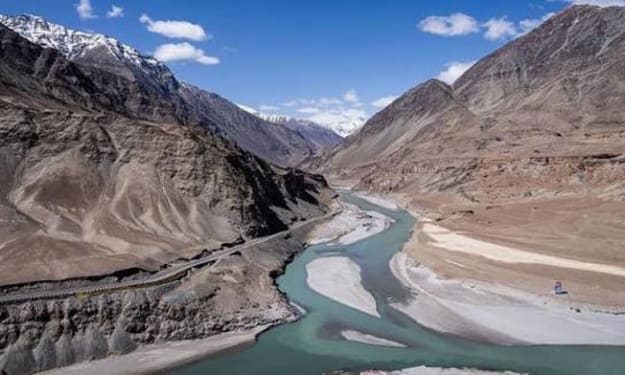
Himalayas Bare and Rocky After Reduced Winter Snowfall, Scientists Warn
The Himalayas, often described as the world’s “Third Pole,” are facing a dramatic and worrying transformation. Scientists are warning that reduced winter snowfall is leaving vast stretches of the mountain range bare, rocky, and increasingly vulnerable to long-term environmental damage. Once known for their thick snow blankets and powerful glaciers, parts of the Himalayas are now showing exposed rock earlier than ever before—an alarming sign of climate stress in one of Earth’s most critical ecosystems. A Visible Change in the World’s Highest Mountains Winter snowfall plays a vital role in the Himalayan climate system. Snow acts as a protective layer, insulating glaciers and regulating the slow release of meltwater into rivers during warmer months. However, researchers monitoring satellite data and ground stations report that recent winters have brought significantly less snowfall across large areas of the range. As a result, snowlines are rising higher up the slopes, leaving lower and mid-altitude regions exposed. This has turned once-white mountain landscapes into expanses of dark rock, which absorb more heat from the sun, accelerating warming in a dangerous feedback loop. Why Reduced Snowfall Matters Snow is more than a scenic feature—it is essential to the health of Himalayan glaciers. When snowfall declines, glaciers lose their main source of replenishment. At the same time, exposed ice and rock melt faster under direct sunlight. Scientists warn that this imbalance is speeding up glacier retreat across the Himalayas. Many glaciers are now shrinking at rates not previously recorded, threatening the long-term stability of water systems that support nearly two billion people across South and Southeast Asia. Impact on Asia’s Major Rivers The Himalayas feed some of the world’s most important rivers, including the Indus, Ganges, Brahmaputra, Yangtze, and Mekong. These rivers depend on seasonal snow and ice melt to maintain consistent flow throughout the year. Reduced snowfall means less stored water for the dry season. In the short term, faster melting can cause floods and landslides. In the long term, however, shrinking glaciers could lead to water shortages, affecting agriculture, hydropower, and drinking supplies across multiple countries. A Growing Risk of Disasters Bare, rocky slopes are far more unstable than snow-covered ones. Snow helps bind loose material together, while exposed rock and soil increase the likelihood of landslides and avalanches. Scientists have already observed a rise in slope failures and glacial lake outburst floods in the region. As glaciers retreat, meltwater often accumulates in fragile lakes dammed by loose rock and ice. These lakes can burst suddenly, releasing destructive floods that threaten mountain communities and downstream infrastructure. Climate Change at the Core Researchers agree that climate change is the primary driver behind the declining snowfall. Rising global temperatures are altering weather patterns, causing more winter precipitation to fall as rain rather than snow. Even small temperature increases at high altitudes can drastically change how moisture behaves. Additionally, warming oceans and shifting atmospheric circulation are affecting the timing and intensity of winter storms that traditionally brought snow to the Himalayas. Effects on Local Communities and Wildlife Mountain communities that rely on predictable snowfall for farming, tourism, and water storage are already feeling the effects. Farmers report changes in planting cycles, while winter tourism has declined in some regions due to unreliable snow conditions. Wildlife is also under pressure. Species adapted to cold environments are losing habitat as snow cover shrinks. Plants that depend on snowmelt are struggling to survive in drier, warmer conditions, disrupting fragile alpine ecosystems. Scientists Call for Urgent Monitoring and Action Experts stress the importance of improved monitoring of snowfall, glacier health, and water flows across the Himalayan region. Better data can help governments plan for future water management challenges and disaster risks. At the same time, scientists emphasize that local adaptation alone is not enough. Reducing global greenhouse gas emissions remains critical to slowing temperature rise and preserving what remains of the Himalayan snow and ice. What the Future Holds If current trends continue, large parts of the Himalayas could see permanent changes within decades. Reduced snowfall and accelerating glacier loss may reshape landscapes, ecosystems, and human livelihoods on an unprecedented scale. The sight of bare, rocky Himalayan slopes is more than a visual change—it is a warning signal. The world’s highest mountains are responding rapidly to a warming planet, and the consequences will extend far beyond the peaks themselves.
By Fiaz Ahmed Brohi5 days ago in Earth
Biochar: Unlocking the Potential for Climate Change Mitigation and Carbon Markets
Biochar is created through the process of pyrolysis, where organic materials such as agricultural waste, wood, or even certain types of plastic are heated in the absence of oxygen. This process breaks down the biomass into three main products: gas, liquid (bio-oil), and solid carbon-rich residue—biochar. Unlike organic matter that decomposes naturally, releasing carbon dioxide (CO₂) into the atmosphere, biochar locks carbon in a stable form that can persist in the soil for hundreds or even thousands of years.
By Bestonpyrolysis8 days ago in Earth



Comments
There are no comments for this story
Be the first to respond and start the conversation.