
Life After Cancer: Reclaiming Identity and Finding Joy Back at Work
How survivors navigate the transition from patient to professional
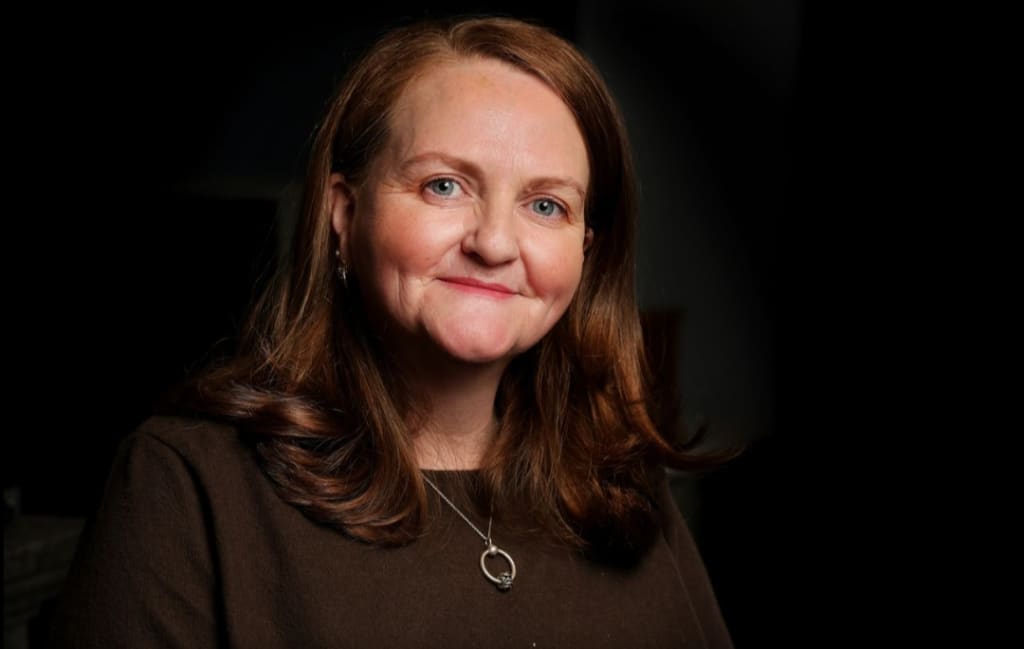
For many people, a cancer diagnosis marks the beginning of a journey that affects not just physical health, but identity, relationships, and daily life. After months or even years of treatment, patients often find themselves confronting a new challenge: life after cancer. Stepping back into normal routines, especially returning to work, can be both a relief and a revelation. It’s a moment where survivors start to reclaim their identity — and discover that life can be joyful again.
The Loss of Identity During Cancer Treatment
Cancer treatment often dominates every aspect of a patient’s life. Appointments, scans, chemotherapy, and medications can make it feel as if the illness defines you completely. Even the language used — “cancer patient,” “survivor,” or “under treatment” — can unintentionally strip away other facets of identity, like being a professional, a parent, or an artist.
Common experiences during this phase include:
Feeling defined by medical routines rather than personal interests
Experiencing physical changes that alter self-perception
Reduced social interaction outside hospital or treatment environments
A sense that life is on hold
For many, this identity shift is one of the most emotionally challenging aspects of cancer.
Returning to Work: More Than Just a Job
One of the most significant milestones after treatment is returning to work. For some, it represents a return to normalcy. For others, it’s an opportunity to reconnect with their pre-cancer identity and regain a sense of purpose.
The benefits of returning to work include:
Restoring daily structure – schedules and responsibilities create stability
Reconnecting socially – colleagues provide support and camaraderie
Reclaiming professional identity – reminding yourself of skills and contributions outside of illness
Boosting self-esteem – accomplishing tasks reinforces competence and confidence
Many survivors describe the feeling as liberating: after months focused on survival, they rediscover the joy of their work and social connections.
Emotional Challenges of Re-Entry
Returning to work is rarely without challenges. Physical fatigue, emotional vulnerability, and lingering anxiety about health can complicate the transition.
Challenges often include:
Physical limitations – energy levels may fluctuate, requiring adjustments
Cognitive effects – “chemo brain” can impact concentration or memory
Social dynamics – colleagues may not fully understand what you’ve experienced
Pressure to perform – fear of being perceived as weak or unable
Acknowledging these challenges is vital. Supportive workplaces, flexible schedules, and open communication can make the transition smoother.
Reclaiming Your Identity Beyond ‘Cancer Patient’
Life after cancer involves more than returning to work — it’s about reconstructing your sense of self. While being a cancer patient was central to your recent life, it doesn’t have to define the future.
Strategies for reclaiming identity include:
Reconnecting with hobbies and passions – creative or athletic pursuits reassert individuality
Re-establishing social networks – friends, family, and community groups provide validation and support
Setting personal goals – new projects or milestones emphasize progress rather than limitations
Self-compassion – accepting physical or emotional changes without shame
Each small step reinforces the idea that you are more than your illness.
The Role of Support Systems
Support networks — both personal and professional — are essential in helping survivors regain identity and confidence. Family, friends, and coworkers can provide emotional validation, encouragement, and practical assistance.
Support systems help by:
Listening without judgment
Adjusting expectations during recovery
Celebrating small milestones, such as returning to work or achieving goals
Encouraging professional or social reintegration
Peer support groups, especially those for cancer survivors, can be particularly helpful. Sharing experiences with others who understand the journey reduces isolation and fosters resilience.
Finding Gratitude and Joy
Many survivors report a renewed appreciation for life after returning to work or resuming daily routines. Ordinary activities — commuting, collaborating with colleagues, or completing tasks — can take on new significance. There’s a heightened awareness of resilience, personal strength, and the fragility of life.
Emotional benefits include:
Increased mindfulness – appreciating small, everyday moments
Stronger sense of purpose – recognizing contributions beyond health struggles
Renewed motivation – inspired by survival and personal growth
Connection with others – valuing social and professional interactions more deeply
Returning to work isn’t just a practical step; it’s a symbolic affirmation of survival and personal identity.
Workplace Adaptations for Survivors
Employers play a critical role in supporting cancer survivors. Small adjustments can make a significant difference in easing the transition back into professional life.
Helpful adaptations include:
Flexible working hours or remote options
Reduced workload during the initial phase
Regular check-ins or mentorship programs
Open communication channels regarding accommodations
When workplaces proactively support survivors, it enhances both productivity and morale.
Life After Cancer: A Continued Journey
Surviving cancer is not the end of the journey — it’s the beginning of a new chapter. Reclaiming identity, rebuilding confidence, and returning to work are all part of a broader process of rediscovery. Life after cancer is about embracing who you are, beyond the patient label, and finding joy in everyday achievements.
Survivors often reflect that:
Identity is multifaceted and resilient
Small victories, like a successful workday, are significant
Self-care remains essential
Connection with others enriches life profoundly
Conclusion
Life after cancer can feel daunting, but it also offers an opportunity to reclaim identity and purpose. While being labeled a “cancer patient” can temporarily overshadow other aspects of who you are, returning to work and engaging with life beyond treatment allows survivors to rediscover their personal and professional selves.
The journey may involve challenges, but it also brings gratitude, resilience, and joy. Being back at work is not just about routine — it’s about asserting independence, reconnecting with community, and celebrating the simple yet profound pleasures of living fully after illness.
About the Creator
Keep reading
More stories from Aarif Lashari and writers in Earth and other communities.
Protesters Bid to Save the ‘Heart’ of Margate
Residents and activists in Margate have launched a passionate campaign to save what they describe as the town’s “heart” — a historic public space facing redevelopment. The dispute has ignited local debate over preserving heritage, supporting small businesses, and maintaining the cultural identity of one of England’s most iconic seaside towns.
By Aarif Lashariabout 4 hours ago in Earth
Time to change your life.
Is it even possible for you to change your life? A lot of people, more than there should be, are unhappy with their lives. But what are they doing about it? Usually nothing. People talk about how shitty their lives are and want change, but are they not taking the actions to change?
By Jen Phillipsa day ago in Humans




Comments
There are no comments for this story
Be the first to respond and start the conversation.