
Legacy of Pollution
Delving into the emotional consequences of pollution on marginalized communities.
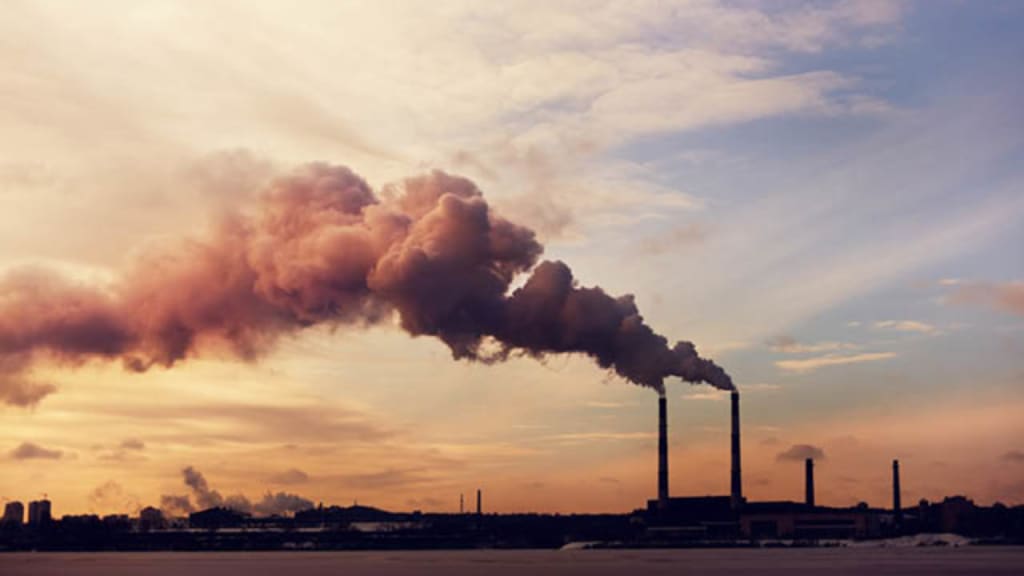
Pollution, like a shadow cast upon our planet, leaves a legacy that extends far beyond the immediate damage it inflicts. It is a legacy that touches every corner of the Earth, affecting ecosystems, human health, and the delicate balance of life itself. As we navigate the complexities of the modern world, we find ourselves grappling with the profound and often irreversible consequences of pollution, and the pressing need to forge a new path toward a cleaner and more sustainable future.
At the heart of the legacy of pollution lies a tale of disregard for the delicate web of life that sustains us. The story begins with the industrial revolution, a time of immense progress and innovation, but also the genesis of widespread pollution. Factories belched plumes of toxic smoke into the air, rivers turned into toxic cesspools, and landscapes once pristine became marred by waste and debris. The notion that nature was an infinite resource immune to human influence prevailed, and with it, the seeds of a legacy that would haunt generations to come.
One of the most glaring aspects of this legacy is the air we breathe. Air pollution, a silent killer, knows no borders. From the bustling streets of metropolises to the tranquil valleys untouched by urban sprawl, the air carries the fingerprints of human activity. Fossil fuel emissions, industrial processes, and deforestation release a toxic cocktail of pollutants into the atmosphere. The legacy of polluted air is etched into our lungs, contributing to respiratory diseases, heart conditions, and even premature death. Children growing up in areas rife with air pollution bear the brunt of this legacy, their physical and cognitive development hindered by the very air they breathe.
Water, the lifeblood of our planet, is another casualty of pollution's legacy. Rivers, lakes, and oceans, once teeming with life and purity, now struggle under the weight of plastic waste, chemical runoff, and oil spills. The legacy of polluted water extends far beyond the aquatic realm, infiltrating our food chain and seeping into our bodies. Contaminated water sources lead to a myriad of health issues, from gastrointestinal problems to deadly waterborne diseases. As we watch coral reefs bleach and marine life choke on discarded plastic, we must confront the legacy we are leaving for future generations.
Yet, amidst the somber narrative of pollution's legacy, glimmers of hope emerge. The environmental movement has gained momentum, and with it, a growing collective consciousness about the urgency of addressing pollution. Governments, industries, and individuals are beginning to realize the gravity of the situation and are taking steps to reverse the course of this legacy. Initiatives to reduce emissions, transition to renewable energy sources, and implement stricter waste management practices are signs of a shifting tide. The legacy of pollution may be grim, but the legacy of collective action and change can be one of redemption.
However, addressing pollution is not merely a technical challenge; it is also a deeply human endeavor that requires a fundamental shift in our values and priorities. It calls for reimagining our relationship with the natural world, recognizing that the legacy we leave behind is a reflection of our stewardship of the planet. The indigenous wisdom that reveres the Earth as a sacred entity offers valuable insights into this paradigm shift. It reminds us that the legacy we create is not solely about material progress, but about the intricate interplay between human flourishing and the well-being of the environment.
Education, too, plays a pivotal role in reshaping the legacy of pollution. By instilling an understanding of the interconnectedness of all life and the consequences of our actions, we empower the next generation to become custodians of a healthier planet. Environmental education cultivates a sense of responsibility and instills the values necessary to forge a new legacy, one where pollution is a chapter of the past rather than a burden for the future.
In our pursuit of a cleaner legacy, innovation stands as a beacon of hope. The ingenuity of human minds has the potential to revolutionize the way we approach pollution. Breakthroughs in technology, from air purifiers that mimic nature's cleansing processes to biodegradable materials that dissolve harmlessly into the Earth, hold promise for mitigating the impact of pollution. These innovations, coupled with a commitment to sustainable practices, offer a glimmer of a future where the legacy of pollution is one of lessons learned and challenges overcome.
In conclusion, the legacy of pollution is a haunting reminder of the consequences of shortsightedness and neglect. It is a legacy that stains the air we breathe, the water we drink, and the landscapes we cherish. Yet, it is also a legacy that carries the potential for redemption. Through collective action, education, and innovative thinking, we can rewrite the narrative of pollution's legacy. We can create a legacy that speaks of resilience, stewardship, and a profound respect for the intricate tapestry of life on Earth. The choice is ours, and the time to act is now.
About the Creator
Keep reading
More stories from writers in Earth and other communities.
Nigella Lawson to Replace Prue Leith on The Great British Bake Off
The beloved British baking show, The Great British Bake Off (GBBO), has announced a significant shake-up that has fans buzzing: the celebrated food writer and television personality Nigella Lawson is set to replace Prue Leith as a judge. This move marks a dramatic shift in the dynamics of the show, promising fresh perspectives and renewed excitement for its millions of viewers worldwide.
By Aarif Lashari7 days ago in Earth
Minister Claims 'Sabotage' Behind Chagos Debate Delay
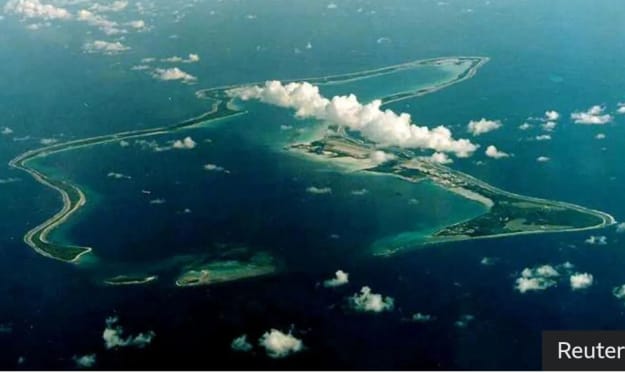
The Controversial Chagos Debate The debate over the Chagos Islands, a British Overseas Territory in the Indian Ocean, has been a contentious issue for decades. The islands, home to the Chagossian people, were evacuated in the 1960s and 1970s to make way for a US military base on Diego Garcia. Recent parliamentary sessions aimed to address ongoing claims for resettlement, compensation, and sovereignty, but the discussion has reportedly been delayed under unusual circumstances. According to a statement from a UK minister, the delay may not be procedural but deliberate “sabotage”, designed to prevent timely debate on this long-standing issue. What the Minister Said In a recent press conference, the minister emphasized that the parliamentary delay is unusual and suspicious. While refusing to name specific individuals, the official suggested that political interests or external pressures may have influenced the postponement. The minister stated: “We are aware of actions that have undermined the scheduling of this debate. We will not allow the voices of the Chagossian people to be ignored.” This strong language has sparked both media attention and political discussion, highlighting the sensitivity of the Chagos issue on national and international levels. Historical Context of the Chagos Islands Understanding the delay requires some historical context: The Chagossians were forcibly removed from their homeland between 1968 and 1973. The islands were leased to the United States for a military base, primarily on Diego Garcia. Legal battles and UN resolutions have since called for the right of the Chagossians to return and compensation for lost property. These historical grievances have made the islands a symbol of colonial legacy and human rights struggles, intensifying the political significance of any parliamentary debate. Political Ramifications The minister’s accusation of sabotage has sparked political debate: Opposition parties have demanded a transparent investigation into the delay. Advocacy groups for the Chagossian people have condemned the postponement as further marginalization of a historically displaced community. Analysts suggest the delay may be related to diplomatic sensitivities, as the UK maintains a strategic partnership with the United States, particularly regarding military operations on Diego Garcia. The controversy reflects a tension between human rights advocacy and geopolitical strategy, a balancing act often faced in foreign policy decisions. Reactions from the Chagossian Community The Chagossian diaspora, largely based in Mauritius and the UK, has reacted strongly to the minister’s statement: Many activists see the delay as evidence of continued neglect by the British government. Social media campaigns have called for immediate debate and restitution. Community leaders emphasize that Chagossians deserve transparency, timely action, and recognition of their rights. These responses highlight how the delay has directly affected community morale and advocacy efforts, amplifying calls for accountability. International Implications The Chagos Islands dispute is not only a domestic issue; it has international dimensions: The United Nations General Assembly has repeatedly urged the UK to return the islands to Mauritius. France and other nations have monitored the situation due to strategic interests in the Indian Ocean. The accusation of sabotage may influence diplomatic relations if it suggests internal political maneuvering is hindering compliance with international recommendations. Observers warn that the handling of this debate could have long-term consequences for the UK’s global reputation and human rights credibility. Parliamentary Procedures and Challenges Delays in parliamentary debates can occur for a variety of reasons, but accusations of deliberate sabotage suggest intentional interference. Challenges include: Scheduling conflicts and procedural backlog Political disagreements between parties Influence from external lobbyists or diplomatic pressures Experts emphasize the importance of parliamentary transparency and adherence to democratic norms, particularly when the matter involves historically displaced populations and international scrutiny. Importance of Accountability This controversy underscores the need for government accountability and transparency: Timely debates are essential for upholding the rights of marginalized communities. Parliamentary delays, whether intentional or procedural, can erode public trust. Clear communication regarding causes of delays can mitigate political fallout and misinformation. Advocates argue that maintaining procedural integrity is a matter of both domestic governance and international responsibility. Future Steps and Expectations The minister has indicated that further measures will be taken to ensure the debate proceeds without additional obstruction. Expected steps include: Investigation into the causes of the delay Engagement with Chagossian representatives to understand their concerns Coordinated efforts to address both domestic and international expectations If handled effectively, these steps may restore confidence in the government’s commitment to resolving this long-standing issue. Conclusion The recent accusation of sabotage surrounding the Chagos debate delay highlights the intersection of human rights, political strategy, and international diplomacy. As the UK government navigates these complexities, attention remains on ensuring that the voices of the Chagossian people are heard and that parliamentary processes maintain transparency and accountability. How the situation unfolds will not only impact domestic politics but also signal the UK’s stance on historical injustices and international law compliance. For the Chagossian community and global observers, timely resolution and action are critical to restoring trust and advancing justice.
By Aarif Lashari6 days ago in Earth



Comments (1)
I have always enjoyed writing and exploring new ideas, new beliefs, and the dreams that rattle around inside my head. I have enjoyed the current state of science, human progress, fantasy and existence and write about them when I can.