
Langtang Gosaikunda Trek: A Spiritual and Scenic Adventure
Introduction to Langtang Gosaikunda
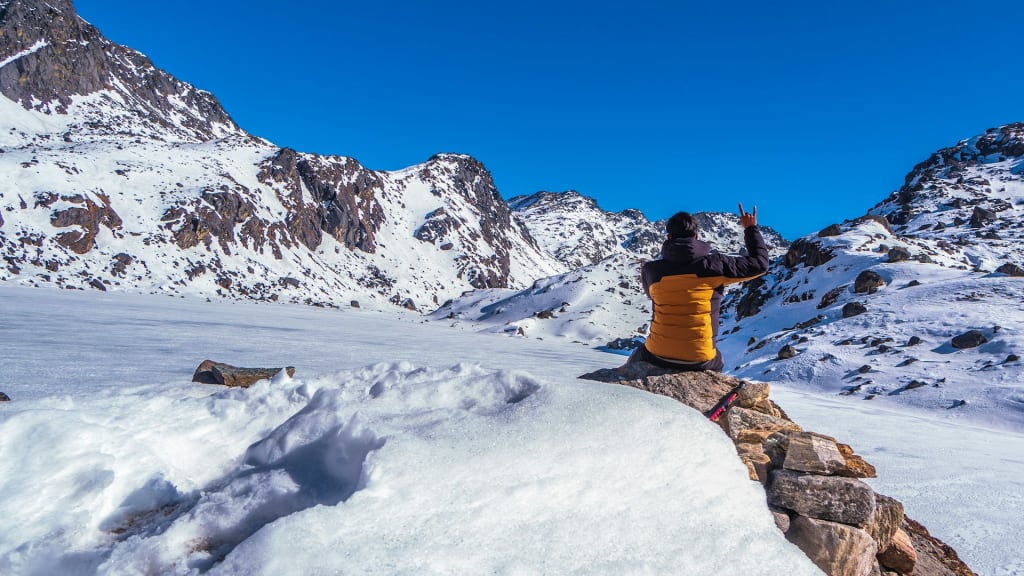
The Langtang Gosaikunda Trek combines the natural beauty of the Langtang Valley with the spiritual serenity of the sacred Gosaikunda Lakes. This trek, located in the Langtang National Park, offers a harmonious blend of stunning Himalayan landscapes, diverse ecosystems, and rich cultural experiences. Whether you're seeking a peaceful retreat or an adventurous challenge, this trek has something for everyone.
Situated close to Kathmandu, Langtang Gosaikunda is one of the most accessible trekking regions in Nepal. Despite its proximity to the capital, the trail feels remote and untouched, making it ideal for those who want to escape the crowds and immerse themselves in nature.
Highlights of the Langtang Gosaikunda Trek
Langtang Valley
Often called the "Valley of Glaciers," Langtang Valley is a treasure trove of natural wonders. Towering peaks like Langtang Lirung (7,227 m) form the backdrop, while lush forests, waterfalls, and yak pastures create a dynamic landscape. The valley is also home to Kyanjin Gompa, an ancient monastery surrounded by breathtaking views.
Sacred Gosaikunda Lakes
The Gosaikunda Lakes are a highlight of this trek. These glacial lakes, considered holy by Hindus and Buddhists, are believed to have been created by Lord Shiva. The tranquil atmosphere, combined with the reflection of the surrounding mountains in the lakes' crystal-clear waters, creates a magical setting.
Cultural Encounters
The trek offers a deep dive into the Tamang and Sherpa communities. From their vibrant attire to the intricate architecture of their homes and monasteries, every aspect of their lifestyle reflects a rich cultural heritage. Interacting with locals in villages like Langtang and Thulo Syabru adds an enriching dimension to the trek.
Lauribina Pass
Crossing the Lauribina Pass (4,610 m) is both challenging and rewarding. This high-altitude pass offers panoramic views of the Himalayas, including Langtang Lirung, Ganesh Himal, and even glimpses of the Annapurna range on clear days.
Diverse Landscapes
The trail takes you through varied terrains, from subtropical forests teeming with wildlife to rugged alpine landscapes. Rhododendron blooms in spring add vibrant colors to the trail, while autumn offers clear skies and crisp mountain air.
Trekking Route and Duration
The Langtang Gosaikunda Trek typically spans 10–14 days, starting from Syabrubesi and ending in Sundarijal.
Days 1-4: Begin your trek at Syabrubesi, gradually ascending through Lama Hotel to Langtang Village and Kyanjin Gompa. This segment is perfect for acclimatization and soaking in the beauty of the Langtang Valley.
Days 5-8: Descend to Thulo Syabru, then ascend towards Gosaikunda. The trail becomes more rugged as you approach the sacred lakes, where the pristine beauty and spiritual ambiance leave an indelible mark.
Days 9-11: Cross the Lauribina Pass and descend to Chisapani, passing through lush forests and charming villages before completing the trek at Sundarijal.
Best Time to Trek
Spring (March to May) and autumn (September to November) are the best seasons for this trek. Spring offers blooming rhododendrons and vibrant landscapes, while autumn provides clear skies and stunning mountain vistas.
Fitness and Difficulty
The Langtang Gosaikunda Trek is moderately challenging, making it suitable for trekkers with decent physical fitness. While the trails are manageable, high-altitude sections like Lauribina Pass and Gosaikunda Lakes require stamina and proper acclimatization.
Conclusion
The Langtang Gosaikunda Trek is a harmonious blend of natural beauty, cultural richness, and spiritual significance. From the glacier-filled Langtang Valley to the serene Gosaikunda Lakes, every step of the journey leaves you in awe.
Whether you’re seeking tranquility or adventure, this trek offers an experience that will remain etched in your memory. For expert guidance and support, visit Nepal Social Treks.
About the Creator
Keep reading
More stories from Oliver Backman and writers in Earth and other communities.
Everest Expedition: A Journey to the Top of the World
Preparing for the Challenge Embarking on an Everest Expedition is the ultimate dream for mountaineers, a test of physical endurance, mental resilience, and technical skill. At 8,848.86 meters, Mount Everest stands as the tallest peak in the world, luring climbers with its unparalleled challenge and breathtaking beauty. Preparing for this monumental task required months of rigorous training, meticulous planning, and a strong mindset.
By Oliver Backmanabout a year ago in Earth
“Train of Two Storms” Signals a Major Shift in Bay Area Weather
After weeks of relatively dry and stable conditions, the Bay Area is preparing for a noticeable change in weather. Meteorologists are tracking what they describe as a “train of two storms,” a back-to-back weather pattern that could reshape the region’s forecast over the coming days.
By Adil Ali Khan3 days ago in Earth



Comments
There are no comments for this story
Be the first to respond and start the conversation.