
Land Pollution
bro, if you've read any of my other pollution stories, you wouldn't be reading this, you'd be helping save the environment.


Land Pollution: Keeping Our Planet Clean
What Is Land Pollution?
Land pollution happens when the ground around us gets dirty or filled with harmful waste, like trash, chemicals, or plastics. When land is polluted, it can hurt animals, plants, and people. It’s something we can all help fix, but we first need to understand what causes it and how it affects the Earth.
What Causes Land Pollution?
Land pollution can happen in many ways, but the biggest causes are from human activities. Here are a few examples:
Littering: When people throw trash on the ground, instead of putting it in a trash can or recycling bin, it makes the land dirty and can hurt animals.
Plastic Waste: Many things we use are made of plastic. When we throw them away, they often don’t break down, and they stay in the environment for a very long time. This adds to land pollution and can even end up in our oceans.
Chemical Waste: Factories, farms, and even some homes might throw out chemicals like pesticides, paints, and cleaning products. These chemicals can pollute the soil and make it unsafe for plants, animals, and even people.
Landfills: When we throw things away, sometimes they end up in a landfill, which is a place where trash is buried. While landfills are needed, they can leak harmful chemicals into the ground over time.
Construction and Mining: When people build new buildings or dig for resources like metals or coal, it can leave the land damaged and polluted.
How Does Land Pollution Hurt Us?
Land pollution can have many negative effects on our world. Here are a few ways it harms the environment:
Hurting Animals: Animals might mistake trash for food, or they could get caught in plastic, like plastic bags or six-pack rings. This can hurt or even kill them.
Contaminating Food: When harmful chemicals get into the soil, plants can grow in it, and those plants might end up on your plate. Eating food grown in polluted soil can make us sick.
Taking Up Space: When there’s too much trash, it takes up space on the Earth that could be used for parks, forests, or farms. It also makes places look ugly and unsafe.
How Does Land Pollution Affect the Earth?
Land pollution doesn't just hurt people and animals—it can also harm the Earth itself:
Soil Pollution: When trash and chemicals get into the soil, it makes the ground unhealthy for plants to grow. Plants need clean soil to grow, so pollution makes it harder for them to thrive.
Water Pollution: Some land pollution, like chemicals or garbage, can make its way into rivers, lakes, and oceans. This harms marine life and even affects the water we drink.
Climate Change: Some types of land pollution, like cutting down trees or burning trash, can release gases into the air that contribute to global warming. This affects the whole planet and can change the weather in bad ways.
What Can We Do to Help?
We don’t have to wait for others to clean up the land—we can all help! Here are ways you can be part of the solution to land pollution:
Don’t Litter: Always make sure to put trash in a bin, and if you see litter outside, help pick it up!
Recycle: Recycling helps keep plastic, paper, and glass out of landfills. If we recycle, fewer new materials need to be made, which helps protect the Earth.
Pick Up After Your Pets: If you have a pet, always clean up after them, and make sure to dispose of their waste properly. This helps keep the land clean for everyone.
Plant Trees and Flowers: Trees help clean the air, and flowers can bring beauty to the land. Planting more greenery can help take care of the Earth and reduce pollution.
Support Clean-Up Efforts: Many communities have clean-up days where people work together to pick up trash in parks, beaches, or streets. You can join these events or even organize your own with friends and family!
What Happens if We Don’t Fix Land Pollution?
If we don’t take care of the land, pollution could get worse. More animals could get hurt, more people could get sick, and more areas might become unsafe for plants to grow. The Earth could lose the beautiful parks, forests, and lakes we love.
The Importance of Reducing, Reusing, and Recycling
One of the best ways we can help reduce land pollution is by practicing the 3 Rs: Reduce, Reuse, and Recycle. Each one of these steps helps to lower the amount of trash that ends up on the ground and pollutes the Earth. Let’s break it down:
Reduce: This means using fewer things, so we make less trash. For example, instead of buying new things all the time, we can try to buy less or choose products with less packaging. If we use fewer resources, we create less waste to throw away.
Reuse: If something is still in good condition, don’t throw it away! You can reuse things like water bottles, bags, or even old clothes. Instead of buying something new, we can get creative and find ways to reuse what we already have.
Recycle: Recycling is a great way to make sure we don’t throw away things that could be used again. Materials like plastic, paper, glass, and metal can all be turned into new products. This keeps them out of the landfill and helps protect the land from pollution!
When we reduce, reuse, and recycle, we help save resources, keep trash from piling up, and protect the planet for all living things.
The Role of Schools and Communities in Fighting Land Pollution
Did you know that schools and communities can do a lot to fight land pollution? It’s true! When we all come together, we can make big changes in how we take care of the Earth. Here are some ideas for schools and communities to help reduce land pollution:
Recycling Programs: Schools can set up recycling bins in classrooms and hallways so everyone can recycle paper, cans, and bottles. Teaching students to recycle can make a huge difference in keeping the land clean.
Cleanup Days: Communities can organize special cleanup events, where people gather to pick up litter in parks, beaches, and neighborhoods. It’s a fun way to help the Earth and meet new friends who care about the environment!
Gardens and Green Spaces: Schools and neighborhoods can create gardens or green spaces where people can plant flowers, trees, and vegetables. These places help beautify the land and make it healthier.
Recycling Education: By teaching kids and adults how to properly recycle and reduce waste, schools and communities can help everyone make better choices for the environment.
When schools, families, and entire communities come together to reduce land pollution, it shows that everyone has a role to play in making the Earth a cleaner and safer place for all.
But the good news is that every action matters. Even small changes, like throwing away trash properly, using less plastic, or recycling more, can make a big difference. The more people care for the Earth, the cleaner and healthier it will be for everyone!
Conclusion:
Land pollution is a big problem, but it’s something we can fix if we all work together. By recycling, not littering, and being careful about how we use chemicals, we can help make the Earth a cleaner place. Let’s all do our part to protect the land we live on and keep it beautiful for future generations!
About the Creator
Adriana Wilder
I'm a new writer on vocal, and I write here in my free time, I'm an environmentalist, always trying to find ways to stop pollution, and maybe you can help out! I also love kitsunes. I hope you all enjoy my stories, and have a great day!
Keep reading
More stories from Adriana Wilder and writers in Earth and other communities.
Air pollution
Air Pollution: The Invisible Danger What Is Air Pollution? Air pollution is when the air around us becomes dirty or polluted with harmful things, like smoke, dust, or gases. We can't always see it, but it's still there, making the air hard to breathe and causing problems for our health, the environment, and even animals.
By Adriana Wilder 10 months ago in Earth
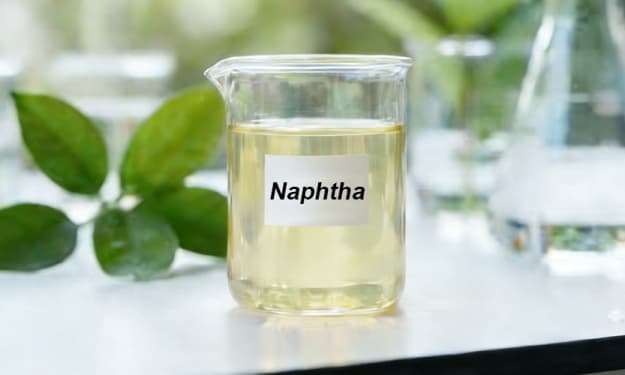
The Technical Rise of Naphtha Recovery from Plastic Waste
For decades, the global narrative surrounding plastic has been defined by a linear economy: produce, use, and dispose. While mechanical recycling has served as the primary method for managing plastic waste, its limitations are well documented. Degradation of polymer chains, contamination from food waste, and the complex composition of multilayer packaging mean that a significant portion of collected plastics—often cited as high as 70%—is relegated to landfills or incineration.
By Bestonpyrolysis5 days ago in Earth



Comments
There are no comments for this story
Be the first to respond and start the conversation.