
🐞 Ladybirds Swarming: Nature’s Tiny Travelers Preparing for Winter
A closer look at why hundreds of tiny red beetles gather together each autumn — and what their swarming reveals about nature’s rhythms.

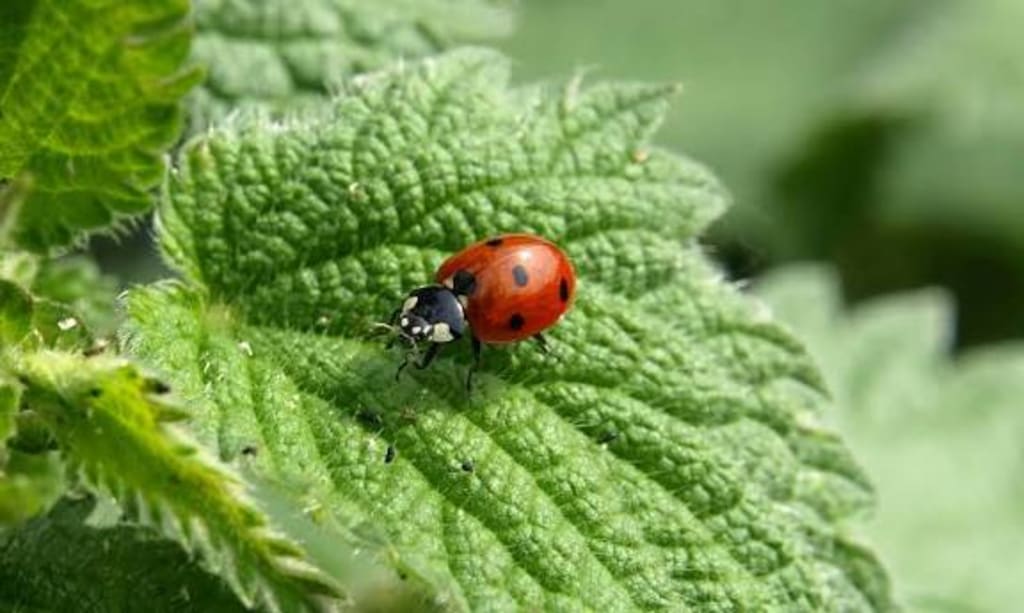
When autumn arrives and the air begins to cool, you might notice hundreds of tiny red and black beetles gathering on walls, windows, or even inside your home. At first glance, it may look like a small invasion — but what you’re really witnessing is a fascinating natural event known as ladybirds swarming.
These charming insects, also known as ladybugs, are doing what nature has programmed them to do: preparing for the colder months ahead.
---
🌤️ Why Ladybirds Swarm
Swarming is a survival instinct. As the temperature drops, ladybirds begin looking for warm, sheltered spots where they can hibernate through winter. In nature, they might hide under tree bark, inside cracks in rocks, or beneath leaves. But in modern environments, they’re often drawn to sunny walls, attics, window frames, and sheds.
Ladybirds are cold-blooded creatures, which means their body temperature depends on their surroundings. They are particularly attracted to surfaces warmed by the sun. Once one ladybird finds a suitable location, it releases a chemical signal called a pheromone. This scent acts like a message to others, saying, “This is a safe spot!” Before long, dozens or even hundreds of ladybirds gather together — and that’s when we notice them swarming.
---
🧬 The Science Behind the Swarm
Swarming is not random chaos — it’s an example of how insects use communication and instinct to survive. Scientists have found that these pheromones can last for months, which is why ladybirds often return to the same hibernation site year after year.
In the United Kingdom, much of the swarming activity you see in autumn involves a species called the Harlequin ladybird. Originally from Asia, the Harlequin was introduced to Europe to control pests like aphids. However, it has since spread widely and sometimes outcompetes native British ladybirds. They come in a range of colors — red, orange, or even black — with varying numbers of spots.
Although the Harlequin ladybird has raised environmental concerns, all ladybirds play an important role in the ecosystem. They are natural pest controllers, feeding on aphids and other plant-damaging insects. Without them, our gardens and crops would face far more pests.
---
🏠 When Ladybirds Swarm Indoors
It’s not unusual for homeowners to find ladybirds swarming near windows or corners of the ceiling during autumn. While they may look alarming in large numbers, they don’t harm homes, wood, or fabrics. The only nuisance comes from a yellow fluid they sometimes release when disturbed — a natural defense mechanism that can leave small stains.
If ladybirds have found their way inside your house, there’s no need to panic. The best approach is to gently vacuum or sweep them up and release them outdoors when temperatures rise. Avoid using insect sprays; they’re unnecessary and can harm beneficial insects.
---
🌿 How to Prevent Ladybird Swarms at Home
If you prefer to keep ladybirds out of your living space, there are a few simple, eco-friendly steps you can take:
Seal gaps and cracks around windows, doors, and vents before autumn.
Install fine mesh screens to prevent insects from entering.
Avoid bright exterior lighting at night, which can attract them.
If you find them inside, relocate them gently to an outdoor shelter or garden shed.
These methods help you coexist peacefully with these helpful little beetles while keeping your home free from unexpected visitors.
---
🌸 The Beauty and Benefit of Ladybirds
Despite their seasonal swarms, ladybirds are symbols of good luck and balance in nature. Many cultures consider them a sign of prosperity and happiness. Gardeners love them because they can eat up to 5,000 aphids in their lifetime, keeping plants healthy naturally — no chemicals needed.
Their swarming behavior, while inconvenient at times, is actually a reminder of the delicate harmony that exists in nature. These tiny insects are simply responding to the rhythm of the seasons, much like birds migrating or squirrels gathering food.
---
🌍 A Gentle Reminder from Nature
When you see ladybirds swarming this autumn, try to pause and appreciate the sight. It’s not an invasion — it’s a sign that nature’s cycle is still working. These bright little beetles remind us that even the smallest creatures have incredible instincts and purpose.
So, instead of shooing them away, take a moment to marvel at their resilience. After all, the ladybird swarm isn’t just a seasonal spectacle — it’s a beautiful example of survival, community, and the quiet intelligence of the natural world.
About the Creator
Fiaz Ahmed
I am Fiaz Ahmed. I am a passionate writer. I love covering trending topics and breaking news. With a sharp eye for what’s happening around the world, and crafts timely and engaging stories that keep readers informed and updated.
Keep reading
More stories from Fiaz Ahmed and writers in Earth and other communities.
--- 🌍 Climate Change and Our Future: Why Every Action Counts
🌅 Introduction: A Planet at a Crossroads Climate change isn’t a distant problem — it’s happening now. Rising temperatures, extreme weather events, and melting ice caps are affecting communities across the globe. From wildfires in California to floods in Europe and Asia, the evidence is everywhere.
By Fiaz Ahmed 5 months ago in Earth
A Sound Has Been Echoing From the Bottom of the Ocean for 25 Years — And No One Knows What Made It
It started with a sound no one expected to hear. In 1997, deep in the Pacific Ocean, underwater microphones picked up something strange—something powerful enough to travel thousands of miles through the water. The signal was so loud that multiple sensors across the ocean detected it at the same time.
By Noman Khan about 16 hours ago in Earth
Early March 2026: 4 Goals Accomplished
It's early March and I've now accomplished my 4th writing goal for the year of 2026. Before diving into the behind-the-scenes of it... why not tell you up front what that accomplishment was? I was published in a 2nd publication for this year. Published in Helix Literary Magazine out of Central Connecticut State University. You can read it for free right now!
By Stephen Kramer Avitabile8 days ago in Writers



Comments
There are no comments for this story
Be the first to respond and start the conversation.