
Labour’s Climate Dilemma: The Debate Over the Climate and Nature Bill
Labour Party's stance on the Climate and Nature Bill, its political implications, public criticism, and the broader debate on balancing economic growth with urgent environmental action.

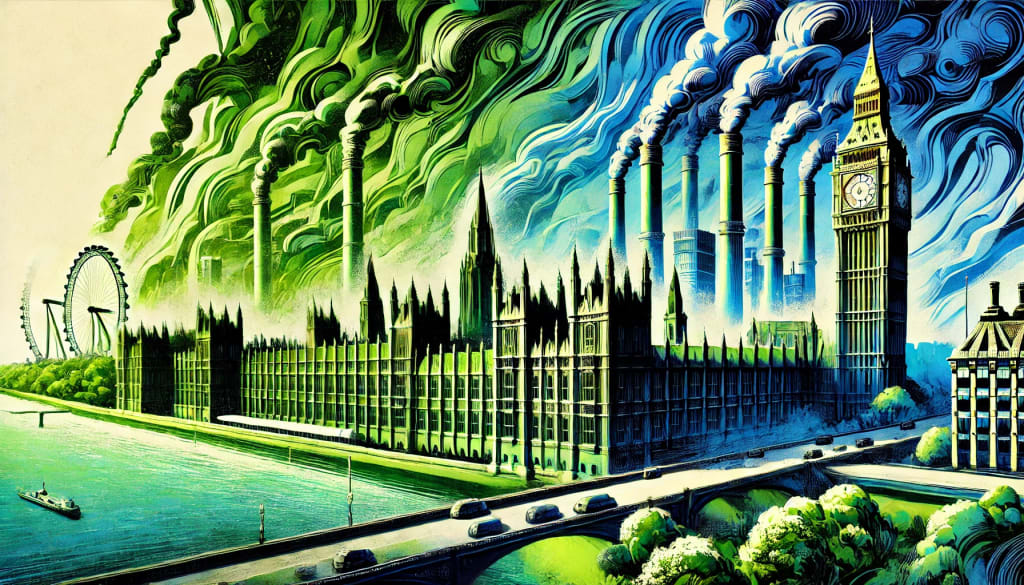
The Climate and Nature Bill (CAN Bill) has emerged as a pivotal piece of legislation in the United Kingdom, aiming to address the interconnected crises of climate change and biodiversity loss. Introduced by Liberal Democrat MP Roz Savage, the bill seeks to embed science-led environmental targets into UK law, with a strong emphasis on sustainability and community engagement. However, the Labour Party's opposition to the bill has sparked intense political debate, drawing criticism from environmental groups and creating divisions within its own ranks.
This article examines the implications of the Climate and Nature Bill, Labour’s stance, the broader political context, and the potential consequences for the UK’s environmental and economic future.
What Is the Climate and Nature Bill?
The CAN Bill proposes a transformative approach to combating climate change and protecting biodiversity in the UK. Its key objectives include:
- Legally binding commitments to achieve net-zero greenhouse gas emissions.
- Stronger protections for natural ecosystems and wildlife habitats.
- A citizen-led assembly to ensure public participation in environmental decision-making.
- Enhanced accountability for the government and private sector to meet these goals.
Proponents argue that the CAN Bill represents a much-needed step to align the UK with the Paris Agreement and other international climate treaties. It has gained significant backing from environmental organizations and prominent activists.
Labour Party’s Opposition
Despite widespread support for the bill, Labour’s leadership has directed its MPs to oppose it. This decision appears rooted in concerns over specific provisions, particularly those concerning international climate targets and the perceived rigidity of some proposed regulations. Labour’s stance has frustrated many within the party, as well as external advocates, who view the bill as an opportunity to solidify the UK’s position as a global leader in climate action.
Labour’s internal dissent is notable. Over 80 Labour MPs have expressed support for the bill, and some have openly declared their intention to defy party orders. For example, Clive Lewis, MP for Norwich South, has been vocal about his support for the CAN Bill, stating that climate action cannot afford delays or compromises. This rebellion highlights the broader ideological divide within Labour about balancing economic growth and environmental protection.
Criticism from Environmental Advocates
Labour’s position has drawn sharp criticism from environmental campaigners. Prominent voices like Mark Avery, co-founder of Wild Justice, have expressed dismay at what they perceive as Labour’s lack of urgency on environmental issues. Avery has even announced his withdrawal from active campaigning, citing frustration with the current political climate and the lack of substantial progress on biodiversity conservation.
Environmental organizations argue that Labour’s stance undermines the momentum needed to tackle the dual crises of climate change and ecological collapse. With global temperatures rising and biodiversity declining at alarming rates, they contend that political hesitation could have irreversible consequences.
Labour’s Broader Environmental Policies
Labour’s opposition to the CAN Bill must be understood within the context of its broader environmental agenda. The party has committed to ambitious targets, such as achieving net-zero emissions by 2050 and creating green jobs through investments in renewable energy and sustainable industries. However, critics argue that these promises lack concrete action and are insufficient to address the scale of the crisis.
Compounding these concerns are recent government proposals to expedite housing and infrastructure development, which some fear could weaken environmental protections. These proposals include:
- Reducing the powers of environmental regulators to delay developments.
- Allowing developers to contribute to a national "nature restoration" fund instead of mitigating environmental damage on-site.
- Limiting judicial reviews of major infrastructure projects, which critics claim could erode legal accountability.
Labour argues that these measures are necessary to drive economic growth and address the housing shortage, but environmentalists warn that they could exacerbate habitat destruction and biodiversity loss.
Public Perception and Polling Data
Public perception of Labour’s environmental policies has been mixed. Recent polling indicates that 58% of respondents view Labour’s climate agenda as unambitious, suggesting that the party’s messaging on environmental issues has failed to resonate with voters. This dissatisfaction is particularly pronounced among younger demographics, who are more likely to prioritize climate action.
The controversy surrounding the CAN Bill has amplified scrutiny of Labour’s environmental credentials. Many within the party and beyond have called for a conscience vote on the bill, allowing MPs to make decisions based on their convictions rather than party directives. Such a move could help rebuild trust with environmentally conscious voters but risks exposing deeper divisions within Labour.
The Broader Political Context
The debate over the CAN Bill is unfolding against a backdrop of growing global urgency to address climate change. The UK, as a signatory to the Paris Agreement, is committed to limiting global warming to 1.5°C above pre-industrial levels. However, recent reports from the Intergovernmental Panel on Climate Change (IPCC) warn that the world is on track to exceed this threshold unless immediate and transformative action is taken.
In this context, the CAN Bill represents a litmus test for the UK’s commitment to its climate goals. Its rejection could signal a lack of political will to prioritize environmental concerns, with potential consequences for the UK’s international reputation and its ability to meet global climate targets.
What’s at Stake?
The stakes in this debate are immense. Failure to act decisively on climate change and biodiversity loss could have catastrophic consequences for ecosystems, economies, and human well-being. The UK is already experiencing the impacts of climate change, including more frequent extreme weather events, rising sea levels, and shifts in biodiversity patterns.
The CAN Bill offers a pathway to address these challenges, but its success depends on political leadership and public support. Labour’s decision to oppose the bill risks alienating voters who prioritize environmental issues and could undermine the party’s ability to present itself as a progressive force for change.
Conclusion
The Climate and Nature Bill has become a flashpoint in the UK’s environmental and political discourse. While it aims to establish robust legal frameworks to combat climate change and protect nature, its progress has been hindered by political disagreements and competing priorities.
Labour’s opposition to the bill reflects a broader tension between economic growth and environmental sustainability. As the party navigates these challenges, it must balance the immediate demands of development with the long-term imperative to safeguard the planet.
Ultimately, the debate over the CAN Bill is not just about one piece of legislation—it is a reflection of the UK’s commitment to a sustainable future. The decisions made in Parliament today will shape the country’s environmental and economic trajectory for generations to come.
About the Creator
Minecraft APK Download (Android, Pro Unlocked)
Fast free Minecraft APK Download for Android. Get Minecraft Pocket Edition, mods, and the latest version. Enjoy building and exploring in Minecraft PE. NBS Reborn APK.
Keep reading
More stories from Minecraft APK Download (Android, Pro Unlocked) and writers in Earth and other communities.
Storm Éowyn Red Weather Warning: UK Braces for Severe Impact
The UK is currently grappling with the ferocious arrival of Storm Éowyn, an intense weather system that has prompted the Met Office to issue red weather warnings for several areas. As the storm barrels through the country, bringing extreme winds, torrential rain, and widespread disruptions, people across Scotland, Northern Ireland, and beyond are bracing for its impact. Here’s a detailed look at how Storm Éowyn is affecting the UK and Ireland, including the latest updates on weather conditions, school closures, and travel disruptions.
By Minecraft APK Download (Android, Pro Unlocked)12 months ago in Earth
Stock Market Today: Nasdaq Futures Rise; Oil Skids After Trump Dials Down Iran Tension
If you’ve been following the markets this week, you’ve probably noticed how sensitive traders are to geopolitical headlines. On Thursday, Nasdaq futures rose, while oil prices dropped after U.S. President Donald Trump made remarks that dialed down fears of immediate military escalation with Iran. It’s a classic example of how news can move multiple markets at once — tech stocks climbing while commodities react in the opposite direction. Nasdaq Futures Bounce Back Technology and growth-focused stocks led the recovery in futures trading. Nasdaq futures climbed, signaling that investors are regaining confidence after recent volatility. Many traders have been cautious, with some taking profits from high-flying tech names, but today’s rebound shows that market optimism is returning. Corporate earnings are a big factor here. Several tech giants, including semiconductor and software companies, have beaten analyst expectations in recent weeks. These results support longer-term growth narratives, giving investors confidence that the tech sector can continue to outperform even amid economic uncertainty. For anyone watching the markets, this is a reminder: futures are forward-looking indicators. When traders see signs of stabilization — like reduced geopolitical tension or strong earnings — markets often react positively before the official trading session even begins. Oil Prices Fall Amid Eased Tensions On the flip side, oil prices skidded. The energy market had been pricing in potential supply disruptions due to the tension with Iran, particularly in critical regions like the Strait of Hormuz. But after Trump’s comments, traders interpreted a lower risk of military conflict, and crude futures dropped sharply. West Texas Intermediate (WTI) and Brent crude both saw declines of around 4–5%, as investors adjusted their positions. This shows how geopolitical risk premiums can inflate commodity prices — and how quickly they can disappear once the perceived threat diminishes. Lower oil prices are a double-edged sword. On one hand, cheaper fuel eases costs for consumers and businesses. On the other, energy companies and oil-exporting nations may face pressure on revenue and profits if prices remain soft. Why Geopolitics Moves Markets The Middle East continues to be a major driver of global market sentiment. Even the possibility of conflict in oil-rich regions can make investors nervous, sending equities lower and commodities higher. Conversely, statements that calm these fears can produce quick rebounds in risk assets like stocks and a decline in commodities like oil. This week’s developments show just how reactive the markets have become. A single remark from a world leader — in this case, Trump — can shift risk perception and trigger immediate moves across multiple asset classes. Earnings and Economic Data Still Key While geopolitical headlines dominate daily moves, corporate earnings and economic data remain critical for long-term market trends. Financial giants like Morgan Stanley recently reported results that beat expectations, boosting their stock prices and reinforcing positive sentiment in the sector. Investors are paying close attention to these fundamentals. Earnings reports and macroeconomic indicators provide insight into underlying trends, helping traders separate short-term volatility from sustainable growth. What Investors Should Watch For stock investors: The rebound in Nasdaq futures suggests that growth and technology stocks are finding support, but volatility is still high. Active risk management and portfolio diversification remain essential. For energy markets: Today’s slump in oil prices highlights how commodities react to geopolitical sentiment. Traders should watch for developments in the Middle East, as any escalation could reverse the decline in prices almost immediately. For global markets overall: Investors must balance multiple narratives — geopolitical events, corporate earnings, economic data, and interest rate expectations. This interplay shapes risk appetite and influences how capital flows across sectors and regions. The Takeaway Today’s market action illustrates a broader theme: markets are highly sensitive to shifts in risk perception. When geopolitical tension eases, equities tend to rise, and risk-sensitive commodities like oil fall. But when threats reappear, sentiment can flip, reminding investors that global markets are dynamic and interconnected. This combination of Nasdaq gains and falling oil prices isn’t just about numbers — it’s about investor psychology, risk management, and the speed at which news travels in our global economy. The lesson is clear: staying informed and flexible is more important than ever for anyone participating in today’s markets.
By Muhammad Hassan3 days ago in Earth
Cement's Quiet Pivot
Why this is under-the-radar progress Cement and concrete account for a sizable slice of global CO₂, but the fastest cuts right now aren’t headline-grabbing moonshots — they’re practical shifts already filtering through specifications, standards, and procurement. Three forces are converging: (1) modern cement standards that enable big clinker reductions with reliable performance; (2) rapid market adoption of Portland-limestone cement (PLC) and new ternary blends such as limestone–calcined clay cements (LC3); and (3) public buyers setting embodied-carbon requirements that move the market. Together, these are driving real-world emission declines from the most-used construction material on earth — often without changing how structures are designed or built [8].
By Futoshi Tachino6 days ago in Earth



Comments (1)
We should pass the bill?