
Kanchenjunga Circuit Trek: Exploring Nepal’s Remote Eastern Frontier
Overview
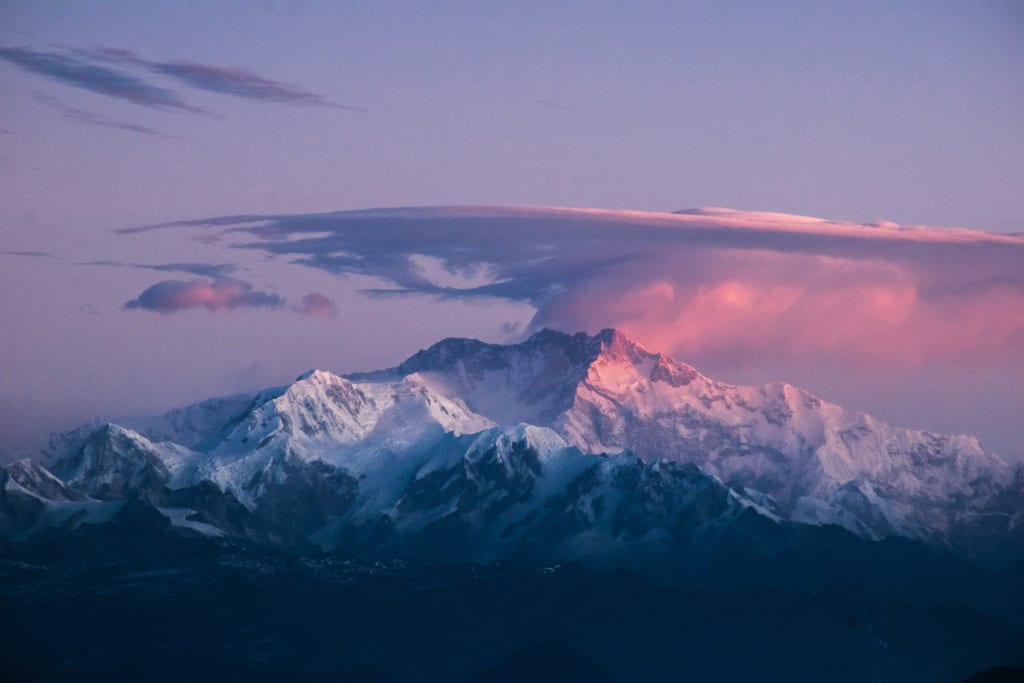
The Kanchenjunga Circuit Trek ventures into Nepal’s far east, circling the base of Kanchenjunga, the world’s third-highest peak at 8,586 meters. This isn’t a crowded route—it’s a wild, remote journey through untouched landscapes and isolated villages. The trek offers more than just a path to a mountain; it’s a deep dive into rugged terrain, vibrant local traditions, and striking vistas that define one of Nepal’s less-traveled corners.
The Journey: A Trail Through Wilderness
The trek begins with a flight or long drive to Taplejung, the gateway to the Kanchenjunga region. From there, the trail unfolds across diverse terrain—starting in subtropical lowlands with rice paddies and bamboo groves, then climbing into alpine heights. Paths wind through rhododendron forests, cross swaying suspension bridges over the Tamur River, and pass tiny settlements like Ghunsa and Lhonak. It’s a long haul—typically 18 to 25 days—covering both the north and south base camps of Kanchenjunga.
Elevation builds gradually, peaking at the Sele La Pass (4,480 meters) or the tougher Mirgin La (4,663 meters) on some routes. The air thins, and the landscape shifts to rocky moraines and icy streams. Trekkers camp under vast skies or bunk in basic teahouses, surrounded by silence broken only by wind or distant yak bells. It’s a slow, steady push through isolation, revealing the raw edge of the Himalayas.
Local Culture: Traditions in the Shadows of Giants
The Kanchenjunga region pulses with the lives of its inhabitants—Limbu, Rai, and Sherpa communities who’ve carved out existence here for centuries. Villages along the trail, like Sekathum or Yamphudin, feature stone houses and terraced fields, where locals tend crops or herd livestock. Teahouses serve dal bhat—lentils and rice—or warming cups of chiya, offering a taste of hospitality rooted in mountain life.
Culture runs deep. Kanchenjunga itself is sacred to the Limbu people, tied to their deity Yuma Sammang, and trekkers often spot prayer flags strung across passes or mani stones etched with chants. In Ghunsa, a small monastery hums with Buddhist rituals, its wooden walls weathered by snow. These elements aren’t loud or staged—they’re woven into daily routines, reflecting a reverence for the peaks that tower overhead. It’s a quiet authenticity that shapes the trek.
Highlights That Define the Trek
The views are a constant draw. From Pangpema (5,143 meters), the north base camp, Kanchenjunga’s north face looms—glaciers spilling down its slopes, flanked by Jannu and other jagged peaks. The south base camp, near Oktang, delivers a closer look at the mountain’s southern wall, framed by icy pinnacles. High points like Sele La offer 360-degree panoramas—Kanchenjunga to the north, Makalu and Everest faintly visible on clear days.
Other moments stand out too. The Lapsang La Pass (5,160 meters), an alternate high route, tests stamina but rewards with desolate beauty—snowfields stretching into the distance. Below, waterfalls crash through green valleys, and wildlife—blue sheep or the elusive snow leopard—adds a flicker of life. The trek’s remoteness itself is a highlight, with trails free of crowds, letting the scale of the landscape sink in undisturbed.
The Kanchenjunga Circuit Trek is a challenging, rewarding escape into Nepal’s eastern wilds. It demands time and effort—logistics are tricky, and the isolation is real—but it delivers solitude, cultural richness, and Himalayan grandeur. The journey circles a titan of nature, blending raw terrain with the heartbeat of its people. It’s a trek for those seeking something beyond the usual—an adventure etched in quiet magnificence.
Conclusion: A Trek Beyond the Ordinary
The Kanchenjunga Circuit Trek stands apart as a journey for the determined. It weaves together challenging ascents, cultural richness, and untouched beauty into an experience that lingers. The isolation, paired with the grandeur of Kanchenjunga’s presence, makes it a rare escape—one that rewards with more than just views. It’s a testament to Nepal’s wild heart, a circuit worth tracing for those seeking the extraordinary.
About the Creator
Keep reading
More stories from Oliver Backman and writers in Earth and other communities.
Tsum Valley Trek: A Journey into Nepal’s Hidden Gem
The Tsum Valley Trek is one of Nepal's most remote and culturally rich trekking routes, offering an authentic Himalayan experience. Nestled between the Ganesh Himal and Sringi Himal ranges, Tsum Valley is often referred to as the "hidden valley" due to its secluded location and unspoiled beauty. This trek is perfect for those who want to experience both stunning mountain landscapes and a deep cultural immersion in one of Nepal's lesser-known regions. In this blog, I’ll take you through my experience trekking the Tsum Valley, highlighting the breathtaking landscapes, cultural encounters, and the key landmarks that make this trek unforgettable.
By Oliver Backman12 months ago in Earth
The Sound of Health: Could AI One Day Diagnose Plants by Listening?
For centuries, humans have diagnosed plant health through sight and touch—yellowing leaves, wilting stems, soft spots. But what if our plants could tell us they're in trouble, not with a visual cue days too late, but with a sound at the very onset of stress? This isn't science fiction. Groundbreaking research is revealing that plants do, in fact, emit sounds, and artificial intelligence (AI) is learning to interpret these acoustic signatures. We stand at the edge of a new era where listening to our plants could become a fundamental tool for their care.
By Emma Wallace2 days ago in Earth
Tourist Killed by Elephant Previously Linked to Two Fatal Attacks at Thailand National Park
A tragic incident at a national park in Thailand has once again highlighted the dangers of human interaction with wild animals. Authorities confirmed that a tourist was killed by an elephant that had previously been involved in two fatal incidents. The case has reignited conversations about wildlife management, tourist safety, and the growing pressure on natural habitats due to tourism and human expansion.
By Aarif Lashari7 days ago in Earth


Comments
There are no comments for this story
Be the first to respond and start the conversation.