
Jellyfish Blooms: Causes, Consequences, and Mitigation Strategies.
Jellyfish blooms, or large sudden increases in the population of jellyfish, have become a global phenomenon.
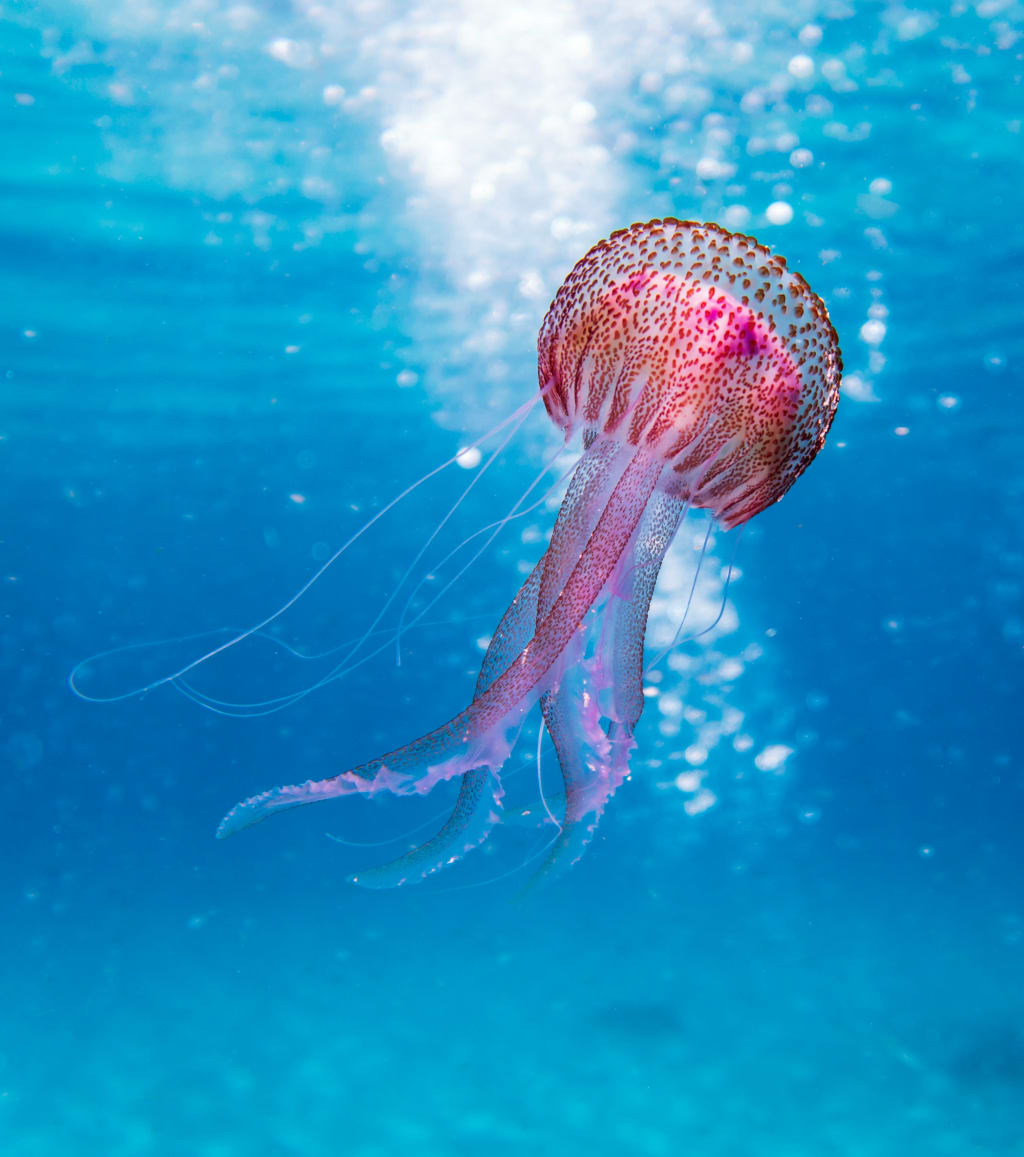
Jellyfish blooms, or large sudden increases in the population of jellyfish, have become a global phenomenon. While jellyfish are natural inhabitants of the world's oceans, the frequency and intensity of jellyfish blooms have increased in recent years, leading to significant ecological and economic impacts. This article will discuss the causes and consequences of jellyfish blooms, as well as mitigation strategies..
New chat
User
Jellyfish Blooms: Causes, Consequences, and Mitigation Strategies. 700 Words Article
ChatGPT
Jellyfish blooms are massive aggregations of jellyfish in marine ecosystems that can have significant ecological and economic consequences. These blooms can be caused by a variety of factors, including climate change, overfishing, and eutrophication, and can lead to declines in fish populations, damage to fishing gear, and impacts on human health. In this article, we will explore the causes and consequences of jellyfish blooms and discuss potential mitigation strategies to reduce their impact.
Causes of Jellyfish Blooms:
Jellyfish blooms can occur for various reasons, and their underlying causes can be complex. Some of the main factors that contribute to the occurrence of jellyfish blooms include:
Climate change: Rising sea temperatures and changes in ocean currents due to climate change can create favorable conditions for jellyfish to thrive. Warmer waters can also cause an increase in the reproduction rates of some species of jellyfish.
Overfishing: Overfishing can lead to a decline in populations of fish that feed on jellyfish. This can result in a decrease in predation pressure on jellyfish, allowing their populations to increase.
Eutrophication: Nutrient pollution from human activities such as agriculture and wastewater treatment can lead to eutrophication, where excess nutrients in the water promote the growth of phytoplankton. When these phytoplankton die, they sink to the bottom, where bacteria break them down and consume oxygen. This can create areas of low oxygen levels in the water, which can be harmful to fish and other marine life. However, some species of jellyfish thrive in these low-oxygen conditions.
Consequences of Jellyfish Blooms:
Jellyfish blooms can have significant ecological and economic consequences. Some of the main impacts of jellyfish blooms include:
Damage to fishing gear: Jellyfish can clog fishing nets, making it difficult for fishermen to catch fish. This can result in a loss of income for fishermen and economic losses for the fishing industry.
Declines in fish populations: Jellyfish can consume large amounts of fish eggs and larvae, leading to declines in fish populations. In addition, jellyfish can compete with fish for food, leading to a decrease in the availability of food for fish.
Impacts on human health: Some species of jellyfish can sting humans, causing skin irritation, pain, and in some cases, even death.
Causes of Jellyfish Blooms
There are many factors that contribute to jellyfish blooms. One of the primary causes is overfishing. When large predatory fish are removed from the ecosystem, it creates an opportunity for jellyfish to thrive. Additionally, global warming and climate change have contributed to the expansion of jellyfish habitats, as well as changes in their reproductive cycles. Pollution, particularly from agricultural runoff and sewage, can also increase the nutrient levels in the water, creating a favorable environment for jellyfish.
Consequences of Jellyfish Blooms
Jellyfish blooms can have a significant impact on the ecosystem. They can outcompete other species for food, leading to a decline in fish populations. Additionally, they can clog the intake pipes of power plants and desalination plants, causing significant economic damage. Jellyfish blooms can also be dangerous for swimmers, as some species of jellyfish have stinging tentacles that can cause painful and even life-threatening injuries.
Mitigation Strategies
There are several strategies that can be used to mitigate the impact of jellyfish blooms. One of the most effective is reducing overfishing, particularly of large predatory fish. This will help to restore balance to the ecosystem and reduce the opportunity for jellyfish to thrive. Another strategy is to reduce pollution, particularly from agricultural runoff and sewage. This can be accomplished through the use of sustainable farming practices and improved wastewater treatment systems.
Additionally, researchers are exploring the use of new technologies to manage jellyfish blooms. For example, some companies are developing underwater drones that can detect jellyfish blooms and provide real-time data to scientists and policymakers. Other technologies, such as jellyfish harvesting machines, can help to remove jellyfish from the water, reducing their impact on the ecosystem.
Finally, public awareness campaigns can also help to reduce the impact of jellyfish blooms. Educating the public about the causes and consequences of jellyfish blooms can help to encourage behavior change, such as reducing plastic use and supporting sustainable fishing practices.
Conclusion
Jellyfish blooms are a growing problem that can have significant ecological and economic impacts. While there is no one solution to this problem, a combination of strategies, including reducing overfishing and pollution, developing new technologies, and increasing public awareness, can help to mitigate the impact of jellyfish blooms. By working together, scientists, policymakers, and the public can help to ensure a healthy and sustainable ocean ecosystem for generations to come.
About the Creator
Keep reading
More stories from Mr Royal Honey and writers in Earth and other communities.
Jellyfish and the Ocean Ecosystem.
Jellyfish are fascinating creatures that have inhabited the Earth's oceans for millions of years. They are known for their gelatinous bodies and their ability to sting, but their role in the ocean ecosystem is much more complex than that. In this article, we will explore the importance of jellyfish in the ocean ecosystem and their impact on the environment.
By Mr Royal Honey 3 years ago in Earth
Beckhams Spotted Together in Paris After Brooklyn Row
A Family Reunion in the City of Light David and Victoria Beckham were recently spotted together in Paris, drawing attention from fans and media alike. The appearance comes shortly after reports of a disagreement between the famous couple and their eldest son, Brooklyn Beckham, who has been navigating his own professional and personal endeavors.
By Aarif Lashari2 days ago in Earth




Comments
There are no comments for this story
Be the first to respond and start the conversation.