
Jellyfish and the Ocean Ecosystem.
Jellyfish and the Ocean Ecosystem Importance and Impact.
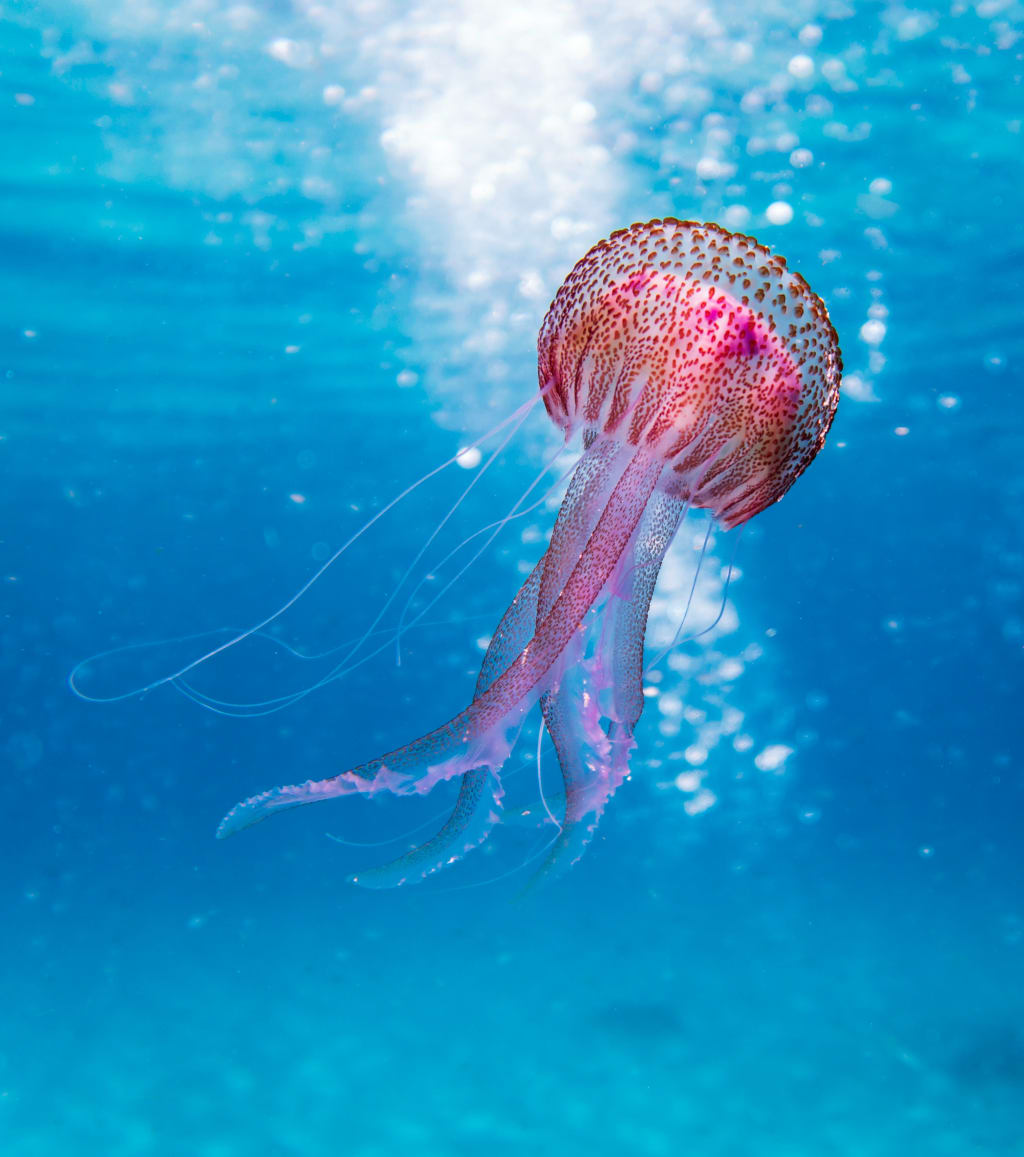
Jellyfish are fascinating creatures that have inhabited the Earth's oceans for millions of years. They are known for their gelatinous bodies and their ability to sting, but their role in the ocean ecosystem is much more complex than that. In this article, we will explore the importance of jellyfish in the ocean ecosystem and their impact on the environment.
Importance of Jellyfish in the Ocean Ecosystem
Jellyfish are an important part of the ocean ecosystem because they play a vital role in the food web. They are carnivorous and feed on plankton, fish eggs, and small fish. They also serve as a food source for larger marine predators such as sea turtles, sunfish, and some species of fish.
Additionally, jellyfish have an important role in nutrient cycling in the ocean. They consume large amounts of phytoplankton, which are microscopic algae that float on the surface of the water. When jellyfish consume these organisms, they release nutrients back into the water, which can then be used by other organisms.
Jellyfish also help to keep the ocean's water clean. They filter large amounts of water as they move through the ocean, removing impurities and pollutants. This helps to maintain the overall health of the ocean and its inhabitants.
Impact of Jellyfish in the Ocean Ecosystem
While jellyfish play an important role in the ocean ecosystem, their population growth and behavior can also have negative impacts on the environment.
One of the biggest impacts of jellyfish is their ability to outcompete other species for resources. When jellyfish populations grow too large, they can consume vast amounts of plankton and small fish, leaving little food for other marine organisms. This can cause a chain reaction that disrupts the entire food web and leads to the collapse of fisheries.
Jellyfish also have the ability to damage fishing gear and infrastructure. Their slimy bodies can clog fishing nets, and their stinging tentacles can pose a danger to fishermen and swimmers.
In addition, jellyfish blooms can have a negative impact on tourism. Large numbers of jellyfish in coastal waters can be unappealing to tourists, and their stings can be a serious health risk.
Climate change is also having an impact on jellyfish populations. As the Earth's oceans warm, jellyfish are able to thrive in new areas where they were once unable to survive. This can lead to an increase in jellyfish populations in certain areas, further disrupting the ocean ecosystem.
Managing Jellyfish Populations
To manage the impact of jellyfish in the ocean ecosystem, it is important to understand the factors that contribute to their population growth. Overfishing, pollution, and climate change are all factors that can lead to an increase in jellyfish populations.
One strategy for managing jellyfish populations is to increase the number of natural predators of jellyfish. This can include promoting the protection of sea turtles and other marine predators that feed on jellyfish.
Another strategy is to reduce the amount of pollution and plastic waste that enters the ocean. This can help to maintain the overall health of the ocean ecosystem, which can help to prevent jellyfish blooms.
Finally, it is important to promote sustainable fishing practices that do not disrupt the natural balance of the ocean ecosystem. This can help to maintain healthy populations of all marine species, including jellyfish.
Conclusion
Jellyfish are an important part of the ocean ecosystem, but their population growth and behavior can have negative impacts on the environment. Understanding the role of jellyfish in the ocean ecosystem is important for managing their populations and minimizing their impact on the environment. By promoting sustainable fishing practices, reducing pollution and plastic waste, and protecting natural predators of jellyfish, we can help to maintain the health of the ocean ecosystem for generations to come.
About the Creator
Keep reading
More stories from Mr Royal Honey and writers in Earth and other communities.
The Fascinating World of Jellyfish.
Jellyfish are some of the most fascinating creatures in the ocean. With their translucent bodies and graceful movements, they have captivated humans for centuries. In this comprehensive guide, we will delve into the world of jellyfish, exploring their biology, behavior, and unique characteristics.
By Mr Royal Honey 3 years ago in Earth
From Seal Meat to Ice Sheets: A Century of Reporting From Antarctica
Antarctica—the frozen southernmost continent—has long fascinated scientists, explorers, and journalists alike. From the earliest expeditions in the late 19th and early 20th centuries to modern climate research missions, journalists have chronicled Antarctica’s extremes, documenting both its human stories and its environmental mysteries. Over the past century, reporting from this remote and forbidding landscape has evolved dramatically, reflecting changing societal interests, technological advances, and growing concerns about climate change.
By Muhammad Hassan7 days ago in Earth


Comments
There are no comments for this story
Be the first to respond and start the conversation.