
Japan on High Alert: Avalanche Warnings Issued as Snow-Related Deaths Rise to 35
A Deep Dive Into Japan’s Extreme Winter Crisis and How Communities Are Coping
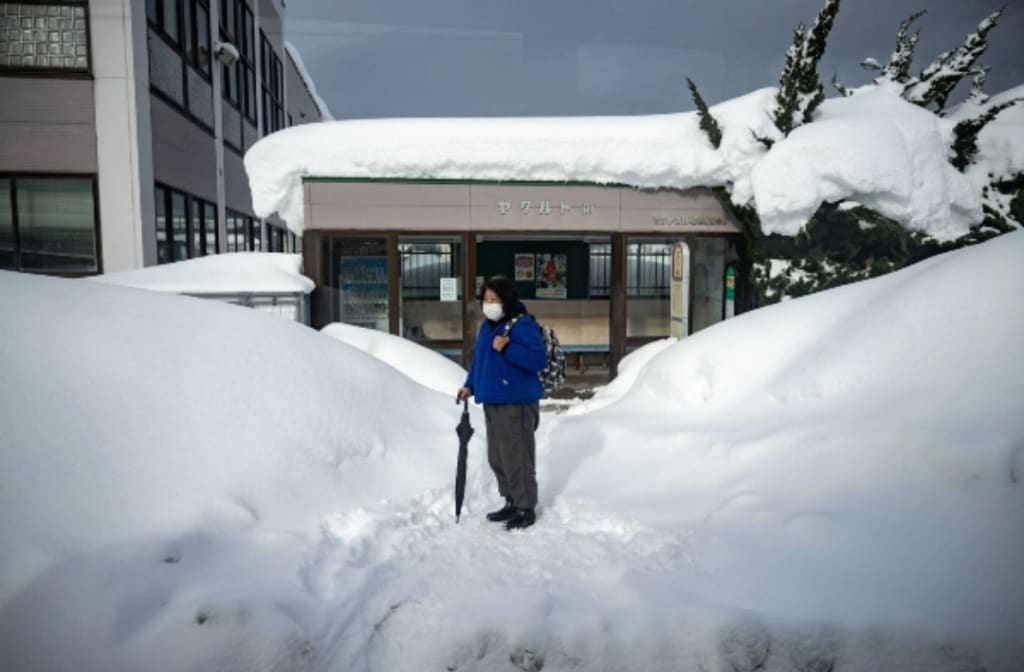
Japan is currently battling one of its harshest winters in recent years. As temperatures continue to fluctuate and snow depths reach record levels, the country has officially issued avalanche warnings across several northern regions. With the death toll rising to 35 and nearly 400 injuries reported, the situation has become a national concern, affecting daily life, mobility, and safety across affected prefectures.
This blog explores what’s happening on the ground, why this snowfall has been so dangerous, and how authorities and communities are responding.
Unusually Heavy Snowfall Creates Life-Threatening Conditions
The intense snowfall began around January 20, triggered by a strong, persistent cold air mass that blanketed northern and western Japan. Prefectures like Niigata, Akita, Yamagata, Hokkaido, and Aomori have been hit the hardest.
In many towns, snow accumulation has crossed two meters, burying homes and vehicles, blocking roads, and causing widespread logistical challenges.
Residents describe the situation as “the harshest winter in years.”
Why the Death Toll Is Rising
Unfortunately, the majority of fatalities are linked to snow-clearing efforts, especially among elderly residents. Many victims slipped from roofs or were crushed by falling snow piles while trying to clear congested areas around their homes.
In other reported incidents, individuals suffered sudden health emergencies—such as heart problems—brought on by intense physical exertion in freezing temperatures.
As of now:
35 deaths have been confirmed
Nearly 400 people have been injured
Niigata remains the worst-affected prefecture with the highest number of fatalities
Avalanche Risk Increases With Sudden Temperature Jump
This week, temperatures rose unexpectedly in several northern cities, including Aomori, where readings climbed to 8°C.
This rapid shift from extreme cold to mild temperatures creates unstable snow layers — a perfect recipe for avalanches.
The Meteorological Agency has warned that snowpack instability may worsen, especially along slopes, mountain paths, and residential areas built on hilly terrain.
Deputy Chief Cabinet Secretary Masanao Ozaki urged residents to stay alert:
“We ask affected residents to be careful and stay mindful of falling snow and avalanches.”
Life Under Two Meters of Snow
Images emerging from Japan paint a dramatic picture:
Narrow walkways carved between towering snow walls
Cars completely submerged
Homes with roofs sagging under heavy snow pressure
Residents using ladders, shovels, and even wooden planks for support
Some areas have been cut off from essential services for hours due to blocked roads and frozen infrastructure.
Transport and Daily Life Disruptions
The impact on transportation has been severe:
Several train services, including bullet trains, have been delayed or suspended
Multiple highways remain temporarily closed
Power outages have hit rural areas
Deliveries and supply chains are heavily disrupted
In some regions, emergency responders had to walk through deep snow to reach stranded residents because ambulances couldn’t pass through.
Tourist Spots Also Feeling the Winter Shock
Japan’s famous winter tourism destinations—including ski resorts—are facing their own challenges.
Foreign tourists have been caught in snow-related incidents, and authorities are urging visitors to:
Stay within safe zones
Avoid risky slopes
Follow weather alerts closely
This winter season, what is normally a time of snow sports and sightseeing has turned into an unpredictable situation for many travelers.
The Economic Impact
Beyond human safety, the economic ripple effects are becoming visible:
Delayed cargo at northern ports
Agricultural strain due to frozen fields
Extra municipal expenses for snow clearance
Local businesses shutting temporarily
Some prefectures have formally requested federal assistance to help with relief, manpower, and equipment.
Japan’s History With Heavy Snowfall — But Why Is This Year Different?
Though Japan is no stranger to extreme winters—especially regions near the Sea of Japan—this year stands out because of:
Continuous snowfall lasting several weeks
Alternating temperature spikes causing instability
Record-breaking snow depths
Widespread infrastructural strain
Experts worry that if more snow arrives in the coming days, the crisis could deepen further.
How Residents Are Coping — And What Authorities Advise
As Japan braces for more snow and avalanche risks, authorities recommend:
Avoid unnecessary travel
Stay away from slopes and hilly areas
Remove snow only with assistance
Call emergency services if stranded
Stay updated with local advisories and weather alerts
Community cooperation remains vital as emergency teams work around the clock to stabilize the situation.
Conclusion: A Winter Japan Won’t Forget
Japan’s current snowfall crisis is a stark reminder of how quickly nature can disrupt modern life. With 35 lives lost and countless others affected, the country is continuing its resilience efforts against one of the toughest winters of the decade.
As temperatures fluctuate and avalanche risks grow, staying informed and following safety guidelines remains essential for both residents and travelers.
About the Creator
Enoch Burke Case: Disciplinary Panel Members Resign in Major Blow to Efforts to Resolve Row Over Teacher’s Dismissal
The long-running dispute surrounding Irish teacher Enoch Burke has taken another dramatic turn after members of a disciplinary panel resigned, dealing a significant setback to efforts aimed at resolving the controversy over his dismissal. The case, which has attracted widespread public attention, continues to raise complex questions about employment rights, institutional authority, and the handling of disputes involving personal beliefs in professional settings.
By Aarif Lashariabout 5 hours ago in Earth
The Watering Wisdom: AI Creates a Custom Schedule Based on Your Home's Environment
The quest for the perfect watering routine is the holy grail of houseplant care. It’s a dynamic equation with variables that change with the seasons, your home’s climate, and even the plant's growth cycle. But what if you could stop guessing? Modern plant care, powered by artificial intelligence, is moving beyond static advice to create dynamic, personalized watering wisdom that responds to your environment.
By Emma Wallaceabout 11 hours ago in Earth


Comments
There are no comments for this story
Be the first to respond and start the conversation.