
Colombian President Gustavo Petro Calls Meeting With Trump ‘Constructive’
After months of tense rhetoric, Petro and Trump meet at the White House to discuss drug policy, regional security, and cooperation.
A Surprising Turn in U.S.–Colombia Relations
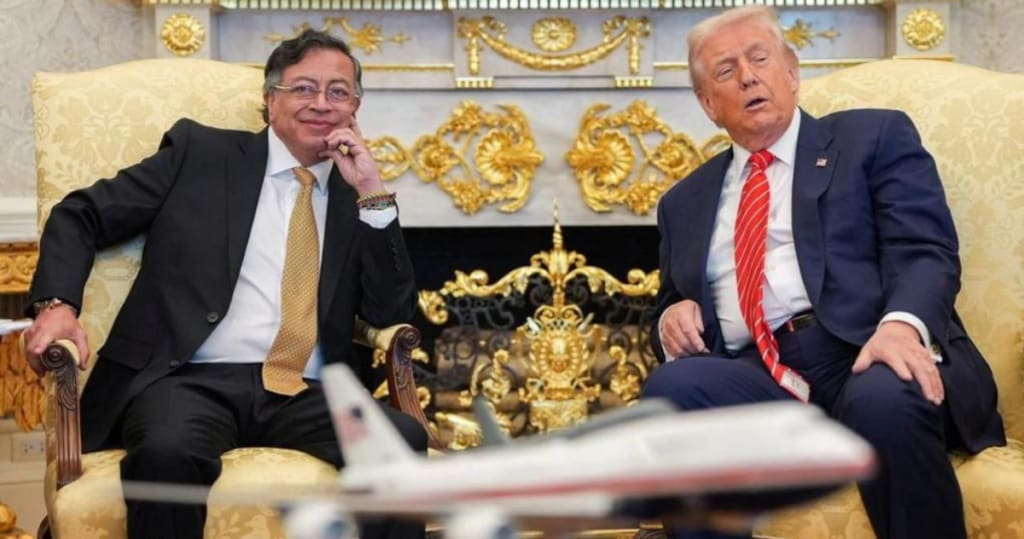
It’s not every day that two world leaders who have publicly criticized each other come together and leave the meeting calling it “constructive.” But that’s exactly what happened on February 3, 2026, when Colombian President Gustavo Petro met U.S. President Donald Trump at the White House.
For months, the relationship between Bogotá and Washington has been tense. Trump had openly criticized Petro over rising cocaine production, and Petro had returned the rhetoric by calling U.S. policies in Latin America heavy-handed. Yet, in a nearly two-hour meeting, both leaders found common ground.
The takeaway? Even leaders with very different ideologies can sit down and work toward solutions.
Why the Meeting Was Significant
The meeting wasn’t just about pleasantries—it tackled some pressing issues:
1. Fighting Drug Trafficking Together
Drug trafficking has long been a major concern in U.S.–Colombia relations. This time, the conversation focused on collaboration and intelligence-sharing to combat cocaine and other illegal substances. Both sides agreed that working together is crucial to tackle organized crime effectively.
2. Regional Security and Venezuela
Petro and Trump also discussed regional stability, particularly in Venezuela. Petro suggested reactivating Venezuelan gas pipelines and working with the U.S. to address security challenges. This shows both leaders are thinking beyond bilateral disputes, considering broader regional issues.
3. A Reset in Tone
Perhaps the most striking part of the meeting was the change in rhetoric. Trump, who had called Petro “a sick man” months ago, called him “terrific” after the meeting. Petro described the discussion as between equals, with both sides willing to find common ground despite different worldviews.
Gestures That Spoke Volumes
Diplomacy often involves gestures that symbolize cooperation:
Petro presented Trump with Colombian coffee and a traditional Indigenous gown for the First Lady.
Trump gave Petro a signed portrait of their handshake.
Petro joked about adapting Trump’s famous slogan to “Make (the) Americas Great Again.”
These gestures may seem small, but they signal a willingness to move past conflict and build trust.
A History of Tension
The backdrop of this meeting is a period of sharp tensions:
Trump had criticized Colombia for rising cocaine production and hinted at possible military action.
Petro had accused the U.S. of interfering in Latin American affairs.
Sanctions were even imposed on Petro and his family, though temporarily lifted for the visit.
Given this history, the fact that both leaders left the meeting describing it as constructive is remarkable.
What This Means for U.S.–Colombia Relations
This meeting could have several long-term impacts:
1. Strengthened Cooperation
A constructive dialogue opens the door for joint efforts against drug trafficking, regional security coordination, and more consistent diplomatic channels.
2. Reduced Tensions
After months of insults and threats, this meeting helps cool down the rhetoric and shows that diplomacy can prevail over conflict.
3. Potential for Future Collaboration
The discussion may set the stage for talks on migration, trade, and energy policy, issues that affect millions across the Americas.
Critics Remain Cautious
While the meeting is a positive sign, experts warn that words need follow-through. Without tangible agreements, the goodwill could fade. Domestic political pressures on both leaders might also complicate cooperation, making the next steps crucial.
What’s Next
Both presidents signaled willingness to continue talks on key topics:
Enhanced intelligence and anti-drug operations
Regional security, especially regarding Venezuela
Potential collaboration on trade and energy initiatives
The world will be watching to see if this constructive tone leads to real policy changes or remains a diplomatic moment.
Conclusion: Diplomacy Wins, for Now
In an era dominated by political divisions, the meeting between Petro and Trump is a reminder that dialogue works, even between unlikely partners. From fighting drug trafficking to addressing regional issues, both leaders showed that cooperation is possible.
Whether this meeting becomes the foundation of lasting U.S.–Colombia collaboration or remains a temporary truce depends on follow-through, but for now, the constructive tone is a welcome sign for diplomacy.
About the Creator
Met Office Names All the UK Areas Facing Snow This Weekend
The Met Office has issued fresh forecasts warning that snow is set to affect large parts of the UK this weekend, with wintry conditions expected to develop from Saturday and persist into Sunday. As colder air moves south and meets bands of moisture, forecasters say a mix of snow, sleet, and freezing rain could disrupt travel and daily life across multiple regions.
By Aarif Lashari4 days ago in Earth
Met Office Names All the UK Areas Facing Snow on Saturday and Sunday
The Met Office has confirmed that snow is likely to affect multiple parts of the UK this weekend, with cold air sweeping southwards and increasing the risk of wintry conditions on both Saturday and Sunday. Forecasters say a combination of falling temperatures and incoming weather systems could bring snow, sleet, and icy conditions, particularly across northern and central regions.
By Aarif Lashari4 days ago in Earth



Comments
There are no comments for this story
Be the first to respond and start the conversation.