
Is Climate Change Reaching a Tipping Point? 2025 Wildfires & Floods
As wildfires scorch forests and floods swallow cities, the year 2025 is testing our planet's limits — and our collective response to a crisis we can no longer ignore.

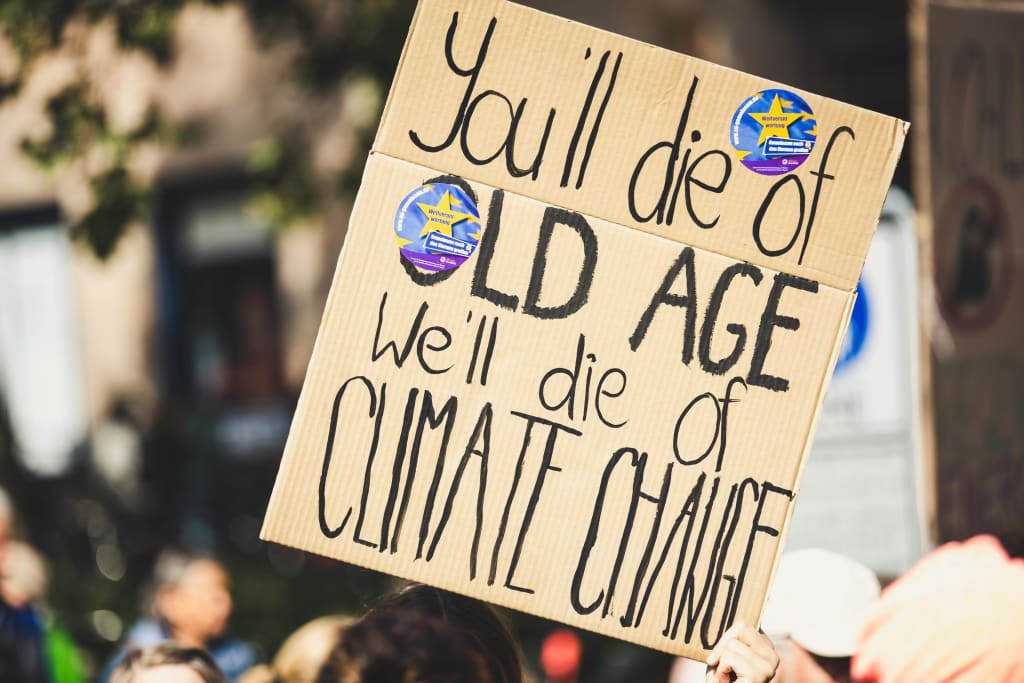
In recent months, the planet has sent us some of its loudest warnings yet. From wildfires raging across Southern Europe and North America to devastating floods sweeping through South Asia and parts of Africa, 2025 has become a year marked by extreme climate events. The question on everyone’s mind now is sobering but necessary: Are we nearing the tipping point of climate change?
This question is no longer just for scientists or politicians to answer. It’s a reality that farmers, families, children, and entire communities are now experiencing firsthand. The climate crisis is no longer about the future. It is happening now.
Wildfires That Refuse to Be Contained
In the summer of 2025, wildfires have erupted across many regions with shocking speed and strength. Canada has faced one of its worst fire seasons on record, with millions of acres of forest land burned and entire towns evacuated. In California and Oregon, flames swallowed entire neighborhoods, displacing thousands of residents and releasing dangerous amounts of carbon into the atmosphere.
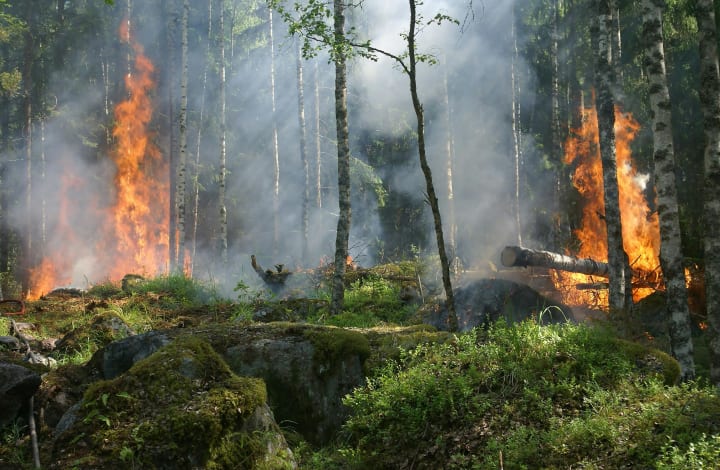
What makes these fires more intense than before? Rising global temperatures, combined with longer drought seasons and lower humidity, have created ideal conditions for fire to thrive. These are not ordinary wildfires. They are fast-moving, unpredictable, and much harder to control than in past years. In many cases, firefighters are simply trying to redirect the flames rather than stop them.
What’s most heartbreaking is that behind each statistic are people — mothers carrying children through smoke-filled streets, elderly citizens losing homes they built decades ago, and workers risking their lives to save others. This isn’t just a climate crisis. It’s a human crisis.
Floodwaters That Rise Too Fast
While some regions burn, others drown.
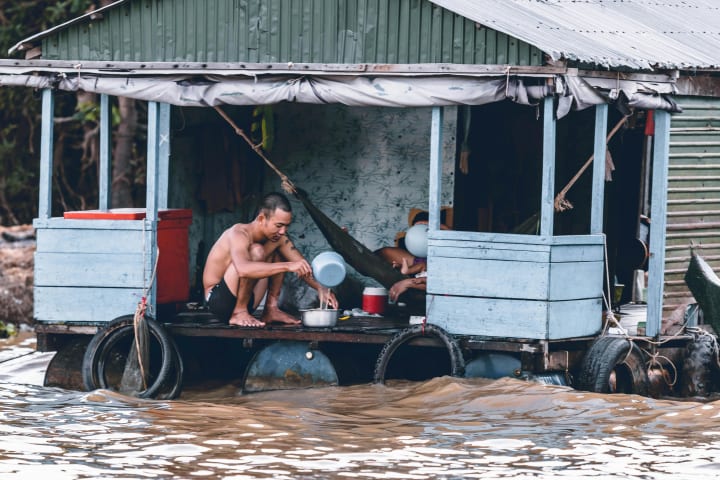
In early 2025, Bangladesh was hit by its worst flooding in over a decade. Rivers overflowed with such force that entire villages vanished overnight. Streets turned into rivers, homes into floating debris. In parts of Pakistan and India, monsoon rains came earlier and harder than usual, affecting millions and damaging vital crops.
Even in places not traditionally known for flooding — like parts of Germany, the United States, and South Korea — urban flash floods have become frighteningly common. These floods are not just caused by heavy rain but by poor urban planning and outdated infrastructure that cannot handle modern-day climate stress.
The link between these floods and climate change is clear. Warmer temperatures hold more moisture in the atmosphere, leading to heavier downpours. Melting glaciers and rising sea levels also contribute to flooding, particularly in low-lying regions.
The emotional toll is heavy. Families lose everything in a matter of hours — photos, clothes, homes, and sometimes loved ones. Recovery can take years, and for some, life never returns to what it was.
The Tipping Point We Fear
So, are we reaching the tipping point? A “climate tipping point” refers to a moment when certain environmental changes become irreversible — such as the collapse of ice sheets, the dieback of the Amazon rainforest, or the thawing of Arctic permafrost, which can release large amounts of methane.
Scientists have warned that if global temperatures rise more than 1.5°C above pre-industrial levels, we may trigger these tipping points. Unfortunately, as of 2025, we are dangerously close to that limit. The longer we delay serious climate action, the greater the risk that these events will no longer be possible to reverse — no matter how much we reduce emissions later.
A Call for Action, Not Fear

But this is not a story of hopelessness. It’s a call to action — and a reminder of our responsibility.
Climate change is caused by human activity. That means it can be slowed by human choices. Governments must take urgent steps to cut greenhouse gas emissions, shift to renewable energy, protect forests, and build infrastructure that can withstand climate extremes.
But everyday people also have power. Small changes in our daily lives — conserving energy, reducing waste, supporting sustainable businesses, and raising our voices — matter more than we think. When millions make small changes, the impact becomes massive.
Communities are also coming together. In areas hit by disaster, we’ve seen stories of neighbors helping neighbors, volunteers rebuilding homes, and strangers donating resources to people in need. These acts of kindness and courage are reminders that humanity can come together in times of crisis.
Looking Ahead With Clear Eyes
The events of 2025 have shown us how fragile our world has become — and how strong we must be to protect it. The earth is changing, but we are not powerless.
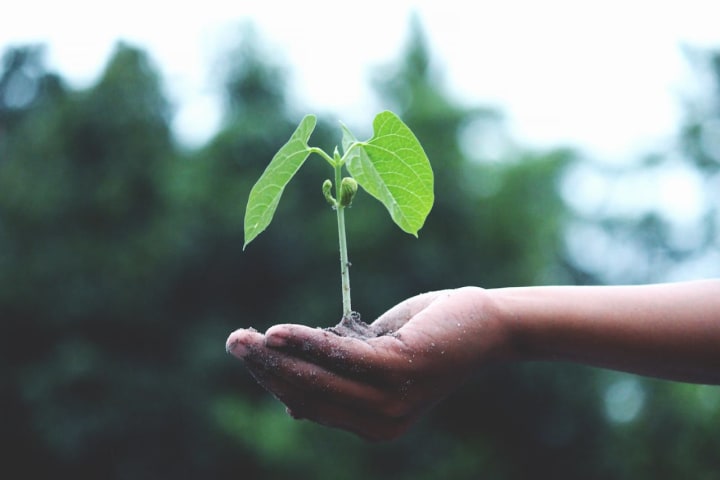
The tipping point may be near, but we have not yet fallen off the edge. We still have time to pull back, rethink our priorities, and invest in a future where clean air, safe homes, and stable weather are not luxuries, but basic rights.
What happens next depends on all of us. The question is no longer whether climate change is real — it’s whether we are willing to listen, act, and care while there’s still time.
About the Creator
Keep reading
More stories from Mehmood Niaz and writers in Earth and other communities.
Social Media and the War: Are We Watching the Truth or Propaganda?
In today’s digital world, war doesn’t just happen on the battlefield. It happens on our screens. It plays out in tweets, videos, and live streams. As missiles fly between Israel and Iran, another battle is happening in real time — the fight for truth and control of the narrative.
By Mehmood Niaz9 months ago in Critique
Nuclear Transmutation: The Accidental Dream of Making Gold
Picture a laboratory humming with quiet intensity, banks of instruments blinking in the low light, and somewhere inside a shielded reactor chamber, something almost magical is happening. An element is changing. One thing is becoming another. What was mercury is now, atom by atom, becoming gold.
By CurlsAndCommas5 days ago in Earth



Comments (1)
The extreme climate events in 2025 are eye-opening. The wildfires are out of control, and the floods are devastating. It's clear we need to act fast to avoid more of this. These events are affecting real people. We can't ignore the climate crisis any longer. We all gotta do our part to make a change.