
Social Media and the War: Are We Watching the Truth or Propaganda?
In the age of endless scrolling and viral videos, war is no longer just fought with weapons — it’s fought with words, images, and information. But can we trust what we see?

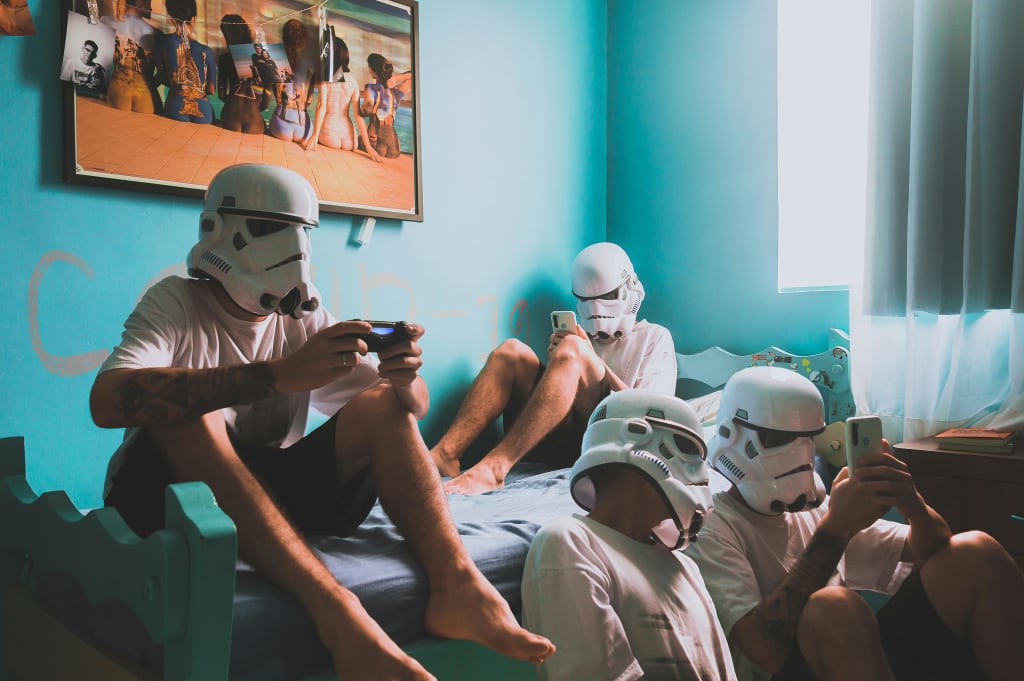
In today’s digital world, war doesn’t just happen on the battlefield. It happens on our screens. It plays out in tweets, videos, and live streams. As missiles fly between Israel and Iran, another battle is happening in real time — the fight for truth and control of the narrative.
Once, we relied on newspapers and television to understand war. Now, millions of people form opinions based on 30-second videos on TikTok or an emotional tweet. But with so much information — and misinformation — spreading so quickly, it’s fair to ask: Are we watching the truth, or just propaganda dressed up for the internet?
The Power — and the Problem — of Media
Media has the power to change how we see the world. It can inform us, inspire us, and even drive change. But it can also mislead, confuse, and divide. That’s especially true during war.
Take the recent Israel-Hamas conflict. American journalist and professor Elise Labott noticed something interesting: U.S. media first focused heavily on Hamas’ attack on October 7 — which shocked the world — but then shifted its attention to the growing number of Palestinian casualties in Gaza. It’s not that these stories aren’t important. They are. But the way they’re framed and repeated changes how people feel — and who they sympathize with.
U.S. media often avoids strong terms like “ethnic cleansing” or “apartheid” because they’re politically sensitive. Meanwhile, international outlets like Al Jazeera or the BBC sometimes use more direct language. These choices — words, tone, headlines — may seem small, but they shape how millions of people understand the war.
What We See — and What We Don’t
Social media takes all of this to another level. We’re now flooded with images, videos, and personal stories. Some are heartbreaking. Some are heroic. Some are fake.
And that’s the problem: what goes viral isn’t always what’s true.
One photo of a wounded child can break hearts and change opinions. But what if the photo is old? Or from a different country? On platforms like X (formerly Twitter), TikTok, and Instagram, content spreads fast — much faster than the truth can catch up.
Sometimes, what we don’t see matters even more. If media or social platforms ignore certain voices or avoid certain topics, it creates a one-sided view. People begin to question what's real, and trust in journalism begins to fade.
The New Battlefield: Your Feed
Governments are very aware of this. Both Israel and Iran are using — and fighting over — social media.
Israeli soldiers are now banned from posting anything from military areas because Hamas reportedly used past social media posts to plan attacks. Iran, on the other hand, has slowed down internet access and even caused full blackouts to control the flow of information.
And it’s not just about spying. Authorities in both countries are watching what citizens post — and arresting people who share content seen as “supporting the enemy.” In Iran, this could even mean the death penalty.
This shows just how seriously information — and social media — are taken during war. They aren’t just tools. They’re weapons.
Misinformation Is Everywhere
Professor Sahar Khamis from the University of Maryland put it clearly: “Truth is the first casualty of war.” That’s even more true on the internet.
There are AI-generated images of attacks that never happened. Misleading translations. Out-of-context videos. Some false posts have even come from video games pretending to be real bombings.
Israel has run social media campaigns with emotional language and graphic visuals. Some of these were later banned by platforms for being too violent. Iran, meanwhile, urged people to delete WhatsApp, falsely claiming it was spying for Israel.
It’s easy to get lost in the chaos — and even easier to believe something that’s not true.
So, What Can We Do?
War used to be shown to us on the news. Now, we watch it, comment on it, share it, and even argue about it in real-time. Social media has given ordinary people a voice, but also opened the door to confusion, anger, and division.
So, how do we stay informed without being misled?
- Don’t trust just one source.
- Check facts before you share.
- Follow both local and international outlets.
- Be cautious of emotional posts without context.
War is messy. Information about war is messier. But we can still choose to be careful, thoughtful, and informed.
Because in the age of viral content, being a responsible reader is just as important as being a good journalist.
About the Creator
Keep reading
More stories from Mehmood Niaz and writers in Critique and other communities.
Media Bias: Are We Getting the Whole Story?
In today’s fast-moving world, information is everywhere. We watch the news on TV, scroll through headlines on our phones, and read posts shared by friends on social media. News travels faster than ever — but so does bias.
By Mehmood Niaz8 months ago in Critique
Cassie and Johnny
I’m the kind of dame you notice. I’m no femme fatale, but you can’t ignore me, at least not until I warn you about what’s coming, then everybody ignores me. Hell, they usually blame me afterwards and give Johnny all the credit for saving the day, but my Johnny couldn’t save a seat at the movies without my help. Sure, he’s brawny, but brainy? Not so much. Like that time I asked him to spot me five bucks, and he said he didn’t see it anywhere on me, and believe you me, he looked but good.
By Harper Lewis18 days ago in Critique


Comments (1)
You're right. Media's crucial during war. The way stories are framed affects our views. Social media makes it harder to tell fact from fiction.