
Is Annapurna Base Camp Trek the Perfect Blend of Scenery and Culture?
What Makes This Trek a Favorite Among Trekkers in Nepal?
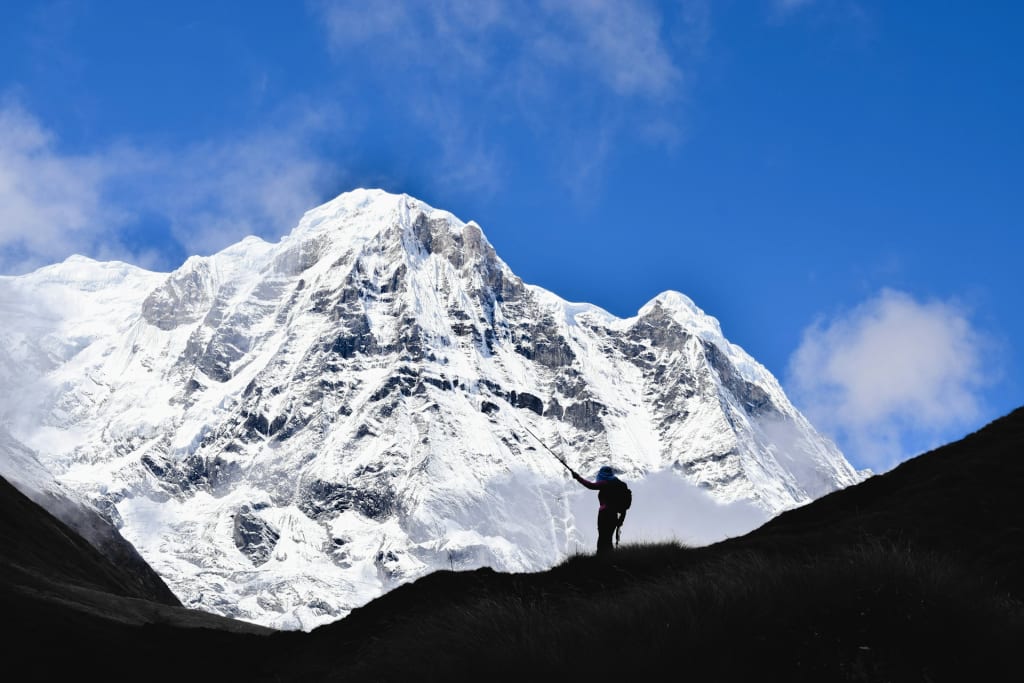
The Annapurna Base Camp Trek, also known as the ABC trek, stands out for its dramatic alpine scenery, rich Gurung culture, and well-paced trails. Nestled beneath the towering Annapurna Massif, this trek is one of the most rewarding journeys in the Himalayas for those seeking both natural beauty and authentic mountain life.
Unlike the higher-altitude treks in the Everest region, this route combines accessibility with spectacular views, making it ideal for trekkers looking for a moderate challenge without compromising on Himalayan grandeur. The highlight is the final destination—Annapurna Base Camp itself—where trekkers are completely surrounded by a circle of snow-capped peaks, including Annapurna I (8,091m), Machapuchare (6,993m), and Hiunchuli (6,441m).
How Difficult Is the Annapurna Base Camp Trek?
The trek is considered moderate in difficulty. It doesn’t involve high mountain passes or technical climbing, but the daily ascents and descents demand stamina. The trail gradually rises from lowland rice terraces to high alpine terrain, offering a natural acclimatization process.
Stone staircases, river crossings, and well-maintained trails wind through rhododendron forests, traditional villages, and eventually into the rocky sanctuary of the base camp. Altitude gain is steady, with most treks peaking at around 4,130 meters at the base camp. Proper pacing, hydration, and short breaks are usually enough to handle the altitude comfortably.
What Can Be Expected Along the Way?
The trail begins from Nayapul or Jhinu Danda after a short drive from Pokhara. It leads through vibrant villages like Ghandruk, Chhomrong, and Bamboo, each offering warm hospitality and unique cultural insights. The Gurung people dominate the region, and their stone houses, terraced fields, and Buddhist shrines create a picturesque, welcoming atmosphere.
As the trek ascends, the terrain shifts from subtropical forests to alpine landscapes. Along the way, trekkers pass the Machapuchare Base Camp before reaching the breathtaking amphitheater of Annapurna Base Camp, where peaks rise on all sides. At sunrise or sunset, the mountains glow with golden light, offering some of the best photography opportunities in Nepal.
Hot springs in Jhinu Danda add a relaxing reward after the descent, where trekkers can soak in natural pools surrounded by lush forested hills.
When Is the Best Time to Trek to Annapurna Base Camp?
Spring (March to May) and autumn (late September to early December) are considered the best trekking seasons. During spring, rhododendrons bloom along the trail, and the skies are clear. Autumn brings crisp air and excellent visibility, making it ideal for panoramic views of the Annapurna range.
Winter trekking is possible and less crowded, but the colder temperatures require better gear. The monsoon season (June to August) is generally avoided due to rain, leeches, and reduced mountain visibility.
How Long Does the Trek Take?
Most itineraries range from 7 to 12 days depending on the chosen route and pace. Some trekkers combine ABC with the Poonhill viewpoint or take longer routes through Ghandruk and Landruk to enjoy more of the region’s natural and cultural diversity.
Shorter itineraries are possible with private transportation and well-planned days, but many prefer the gradual journey to enjoy the transition from low hills to the high mountain sanctuary.
Why Is Annapurna Base Camp Trek Worth It?
Annapurna Base Camp offers a uniquely immersive experience without the extreme isolation of remote trails. The combination of panoramic mountains, cultural villages, and varied landscapes makes this trek one of Nepal’s most satisfying adventures. It’s not just about the base camp—it’s the journey through valleys, forests, and communities that creates lasting memories.
Final Thoughts
Annapurna Base Camp Trek stands at the crossroads of challenge and beauty. It welcomes trekkers into the heart of the Himalayas while offering the comforts of teahouses and warm local culture along the way. With the Annapurna giants towering above and the lush valleys stretching below, this trek is more than a route—it’s a story told step by step in the most breathtaking part of Nepal.
About the Creator
Keep reading
More stories from Oliver Backman and writers in Earth and other communities.
Why Trek to Everest Base Camp?
The Everest Base Camp Trek is one of the most iconic trekking experiences in the world. It offers the perfect combination of dramatic landscapes, cultural immersion, and the unforgettable reward of standing at the base of Mount Everest. The journey follows in the footsteps of legendary mountaineers, winding through Sherpa villages, ancient monasteries, and glacier-fed rivers, all under the watchful gaze of snow-covered giants.
By Oliver Backman10 months ago in Earth
Asteroid 2024 YR4’s Collision With the Moon Could Create a Flash Visible From Earth, Study Finds
A newly published scientific study has sparked excitement across the global astronomy community by suggesting that Asteroid 2024 YR4, if it were to collide with the Moon, could generate a bright flash visible from Earth. While the event poses no threat to our planet, researchers say it could provide a rare natural experiment—offering valuable data about asteroid impacts, lunar geology, and future planetary defense strategies.
By Ayesha Lashari2 days ago in Earth
📢 Raise Your Voice Thread: 02/05/2026
Our “Raise Your Voice Threads” are hosted most alternating Thursdays at 12PM ET to offer creators more avenues to uncover exceptional stories on Vocal. As we are continuously searching for fresh creators and inspiring stories, this thread provides an opportunity to exchange and discuss the stories that have moved and motivated us on Vocal.
By Raise Your Voice by Vocal7 days ago in Resources




Comments
There are no comments for this story
Be the first to respond and start the conversation.