
Meteorologists Warn of Rare Arctic Air Grip Across the Northeast and Mid-Atlantic
Unusual duration and intensity of cold raise concerns as forecasters flag another possible mid-February cold wave and snow risk

Introduction
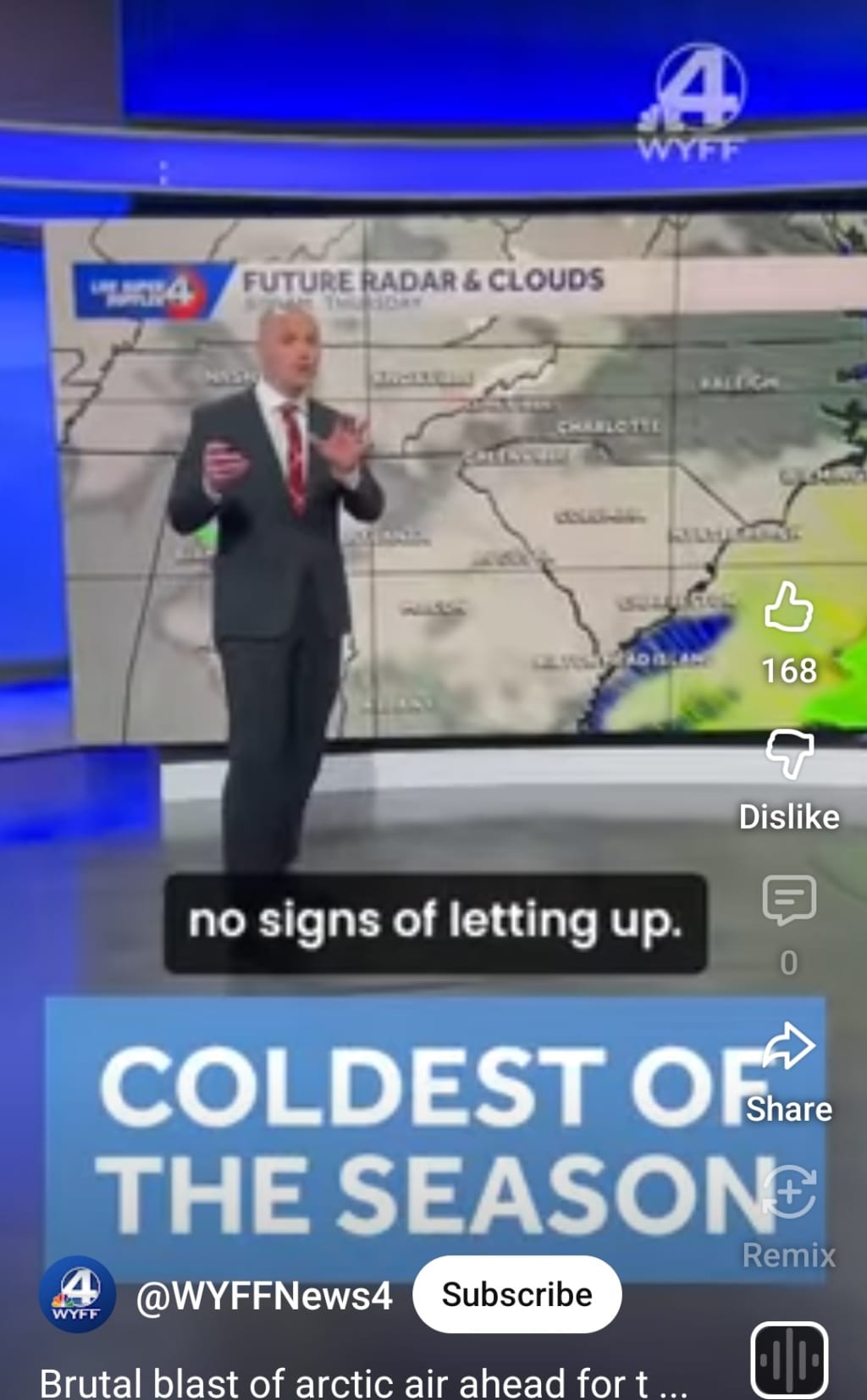
Meteorologists are warning that parts of the Northeastern and Mid-Atlantic United States are experiencing an unusually intense and long-lasting surge of Arctic air. Forecast models indicate that the cold is not only severe but also persistent, a combination that experts describe as extremely rare for this point in the winter season. Compounding concerns, forecasters are also monitoring the potential for another cold wave and snow event around mid-February, which could further disrupt daily life across the region.
What Makes This Arctic Air Outbreak Unusual
Cold air intrusions are not uncommon during winter, but meteorologists note that the current pattern stands out due to both its duration and strength. Temperatures have remained well below seasonal averages for an extended period, rather than moderating after a few days.
This persistence suggests a larger atmospheric setup that is preventing warmer air from returning to the region.
Understanding Arctic Air and Its Movement
Arctic air originates near the polar regions and typically remains confined there by strong upper-level winds. When those wind patterns weaken or shift, cold air can spill southward into lower latitudes.
In this case, a disruption in the polar jet stream has allowed cold air to move deep into the eastern United States and remain in place longer than usual.
Role of the Jet Stream Pattern
Meteorologists point to a highly amplified jet stream as a key factor behind the prolonged cold. Large bends in the jet stream can lock weather patterns into place, preventing normal temperature recovery.
This type of setup can cause extended cold spells in one region while other parts of the country experience milder conditions.
Regions Most Affected
The Northeast and Mid-Atlantic states have borne the brunt of the cold air. Cities and rural areas alike have experienced repeated days of freezing temperatures, with wind chills making conditions feel even colder.
These regions are particularly sensitive to prolonged cold due to population density, infrastructure demands, and transportation reliance.
Impacts on Daily Life
Extended cold has practical consequences beyond discomfort. Increased heating demand places stress on energy systems and raises utility costs for households.
Cold weather also affects transportation, leading to icy roads, flight delays, and challenges for public transit systems.
Health Risks Associated With Prolonged Cold
Prolonged exposure to extreme cold increases the risk of frostbite and hypothermia, especially among vulnerable populations. Older adults, young children, outdoor workers, and those without stable housing face higher risks.
Health officials often urge communities to check on neighbors and ensure access to warming shelters during extended cold events.
Infrastructure and Utility Concerns
Cold temperatures can strain infrastructure, particularly water systems and power grids. Frozen pipes and increased electricity demand are common issues during extended cold spells.
Municipalities often need to allocate additional resources to respond to weather-related service disruptions.
Snow and Ice Complications
While the current cold has not always been accompanied by heavy snowfall, forecasters warn that Arctic air creates favorable conditions for snow and ice if moisture moves into the region.
Even minor storms can have amplified impacts when temperatures remain consistently below freezing.
Forecast Signals for Mid-February
Looking ahead, meteorologists are closely monitoring signals that suggest another cold wave could develop around mid-February. Some forecast models indicate the possibility of renewed Arctic air pushing southward.
There is also a chance that this cold could coincide with a storm system, increasing the risk of snow across the affected regions.
Uncertainty in Long-Range Forecasts
While confidence is high that cold conditions will persist in the near term, forecasters emphasize that longer-range predictions carry uncertainty. Small changes in atmospheric patterns can significantly alter outcomes.
Meteorologists continue to refine forecasts as new data becomes available.
Why Duration Matters as Much as Intensity
Experts stress that the length of a cold spell can be as impactful as how cold it gets. Short bursts of extreme cold are often easier to manage than prolonged periods of below-average temperatures.
Extended cold increases cumulative stress on people, systems, and budgets.
Climate Context of Extreme Cold Events
Cold waves still occur in a warming climate, but their behavior is changing. Some researchers suggest that disruptions in Arctic conditions may contribute to more erratic winter weather.
This does not mean cold extremes are disappearing, but rather that weather patterns may become more variable.
Challenges for Emergency Planning
Prolonged cold events complicate emergency planning because resources must be sustained over longer periods. Heating assistance programs, road treatment supplies, and emergency services may face increased demand.
Local governments must balance immediate response with preparation for potential follow-up events.
Public Preparedness and Communication
Clear communication is essential during extended cold spells. Meteorologists and emergency officials work together to provide timely updates and safety guidance.
Public awareness helps reduce risk by encouraging preparation, such as insulating pipes and limiting outdoor exposure.
Economic Effects of Extended Cold
Cold weather can disrupt business operations, particularly in sectors dependent on transportation or outdoor activity. Delays and closures can lead to lost productivity.
Higher energy costs also affect both households and businesses during prolonged cold periods.
Why Meteorologists Are Paying Close Attention
The combination of rare duration, intensity, and potential follow-up events makes this cold pattern noteworthy. Meteorologists view it as an example of how winter weather can still produce significant extremes.
Close monitoring helps improve forecasting accuracy and public safety responses.
Bottom Line
Meteorologists are warning that the current Arctic air affecting the Northeast and Mid-Atlantic is notable for its rare combination of strength and persistence. The extended cold has already affected daily life, infrastructure, and energy demand, and forecasts suggest another possible cold wave and snow chance around mid-February.
While uncertainty remains in long-range outlooks, the situation highlights the importance of preparedness during prolonged winter weather. The ongoing cold serves as a reminder that even in a changing climate, extreme winter conditions remain a serious and disruptive force that communities must be ready to manage.
About the Creator
Saad
I’m Saad. I’m a passionate writer who loves exploring trending news topics, sharing insights, and keeping readers updated on what’s happening around the world.
“Painful Times in My Marriage” — Melinda French Gates Reacts to Ex-Husband in Epstein Files
Public attention has intensified after comments attributed to Melinda French Gates referenced “painful times” in her marriage while discussions surrounding documents connected to Jeffrey Epstein continue to surface in public discourse. The situation has reignited conversations about accountability, public image, and the long-lasting impact of associations with controversial figures.
By Aarif Lashari6 days ago in Earth
Asian Carp, the Massive Fish That Could Reshape the Great Lakes Forever
Beneath the surface of America’s Great Lakes lies a growing ecological threat that few people outside scientific and fishing communities fully understand. Known collectively as Asian carp, these massive and aggressive fish species are steadily moving northward through U.S. waterways, raising alarms among environmentalists, economists, and local communities. If they establish themselves in the Great Lakes, experts warn the consequences could be irreversible.
By Sajida Sikandara day ago in Earth
📢 Raise Your Voice Thread: 02/05/2026
Our “Raise Your Voice Threads” are hosted most alternating Thursdays at 12PM ET to offer creators more avenues to uncover exceptional stories on Vocal. As we are continuously searching for fresh creators and inspiring stories, this thread provides an opportunity to exchange and discuss the stories that have moved and motivated us on Vocal.
By Raise Your Voice by Vocal4 days ago in Resources




Comments
There are no comments for this story
Be the first to respond and start the conversation.