
Pyrolysis: Paving the Way for a Low Carbon and Circular Economy Future
for a Low Carbon and Circular Economy Future

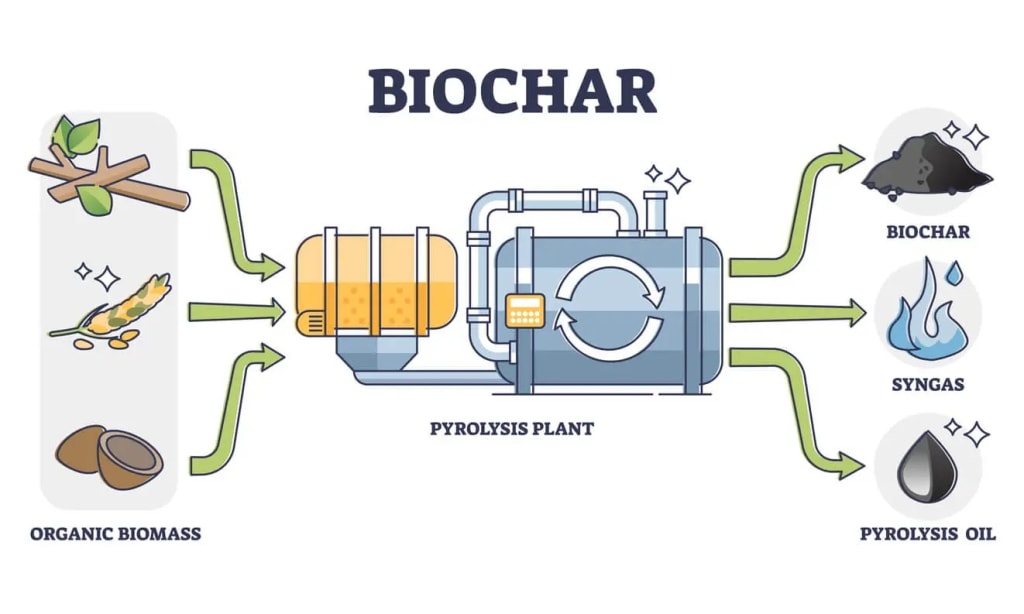
As the world grapples with the escalating impacts of climate change and resource depletion, innovative waste management solutions are more crucial than ever. Pyrolysis, a thermochemical process that decomposes organic materials in the absence of oxygen, emerges as a key technology in creating a low carbon and circular economy. By transforming waste into valuable products, pyrolysis not only reduces environmental impacts but also fosters sustainable economic growth.
Pyrolysis involves heating organic materials, such as plastics, biomass, or agricultural residues, to high temperatures. This process yields three primary products: biochar, bio-oil, and syngas. Each of these products can be utilized in various ways, contributing to a more sustainable and circular approach to resource management.
- Biochar: A carbon-rich material created from organic waste, biochar can be used to improve soil fertility and sequester carbon. By enhancing soil health, it promotes sustainable agriculture, reduces the need for chemical fertilizers, and helps mitigate greenhouse gas emissions.
- Bio-oil: This renewable energy source can replace fossil fuels in heating, transportation, and electricity generation. By providing an alternative energy source, bio-oil contributes to energy independence and reduces reliance on carbon-intensive fuels.
- Syngas: A mixture of hydrogen and carbon monoxide, syngas can be used for energy generation or converted into chemicals and fuels. Its versatility makes it a valuable resource in various industrial applications, facilitating a transition away from fossil fuel dependency.
Contributions to a Low Carbon Future
Pyrolysis plant plays a vital role in achieving a low carbon economy by addressing waste management challenges and reducing carbon emissions:
- Waste Reduction: By converting waste materials into valuable products, pyrolysis diverts waste from landfills and reduces the need for incineration. This not only mitigates greenhouse gas emissions but also minimizes the environmental impact associated with waste disposal.
- Carbon Sequestration: The production of biochar from pyrolysis offers a method of carbon sequestration. When applied to soil, biochar locks carbon away for extended periods, effectively removing it from the atmosphere. This contributes to climate change mitigation efforts and supports soil health.
- Renewable Energy Production: The bio-oil and syngas produced through pyrolysis serve as renewable energy sources, reducing dependence on fossil fuels. By providing alternative energy options, pyrolysis contributes to a cleaner energy landscape and helps lower overall carbon emissions.
Advancing a Circular Economy
A circular economy emphasizes the continual use of resources and the minimization of waste. Pyrolysis aligns perfectly with this model by promoting resource efficiency and the recycling of materials:
- Resource Recovery: Pyrolysis plant transforms waste into valuable materials, closing the loop in resource management. Instead of being discarded, waste materials are repurposed, contributing to a more sustainable system where resources are kept in use for as long as possible.
- Sustainable Production Processes: The integration of pyrolysis in various industries encourages sustainable production practices. For instance, industries can use biochar as a soil amendment, bio-oil as an alternative fuel, and syngas in chemical production, creating a closed-loop system that minimizes resource extraction and waste generation.
- Innovation and Economic Growth: The adoption of pyrolysis technologies stimulates innovation and can lead to new business models focused on sustainability. By investing in pyrolysis infrastructure, communities can create jobs, boost local economies, and drive the transition to a circular economy.
While pyrolysis presents a promising solution for creating a low carbon and circular economy, several challenges must be addressed. These include technological advancements, economic viability, and regulatory support. Governments and industries need to collaborate to create favorable conditions for the development and implementation of pyrolysis technologies.
Additionally, public awareness and education about the benefits of pyrolysis are crucial for widespread adoption. By engaging communities and stakeholders, we can build a collective understanding of the importance of waste management innovations in achieving sustainability goals.
Pyrolysis stands at the forefront of the transition to a low carbon and circular economy. By converting waste into valuable resources, it not only mitigates environmental impacts but also fosters economic growth and sustainability. As we seek innovative solutions to global challenges, investing in pyrolysis technology can pave the way for a cleaner, more sustainable future. Embracing pyrolysis as part of our waste management strategies is a crucial step towards achieving a circular economy and ensuring a healthier planet for generations to come.
About the Creator
Bestonpyrolysis
Engaged in waste plastic/tyre/rubber recycling, oil sludge treatment, biomass recycling, sewage sludge management and paper recycling…
https://bestonpyrolysisplant.com/
Keep reading
More stories from Bestonpyrolysis and writers in Earth and other communities.
Rice Husk Pyrolysis Recycling and Sustainable Development Goals
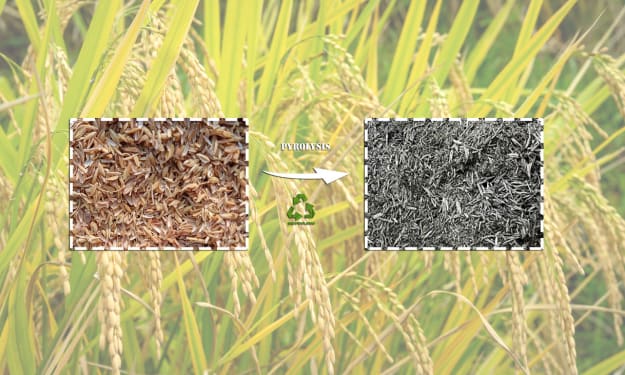
Rice husk, a byproduct of rice milling, is a significant agricultural waste that poses disposal challenges and environmental concerns. Traditionally viewed as a nuisance, rice husk is often burned, leading to air pollution and waste of valuable resources. However, through pyrolysis, rice husk can be transformed into valuable products, contributing to the achievement of several Sustainable Development Goals (SDGs) and promoting a circular economy.
By Bestonpyrolysisabout a year ago in Earth
Denmark and Greenland Prepare for US Talks as Trump Says Territory’s PM Has a ‘Big Problem’
Denmark and Greenland are preparing for crucial talks with the United States amid renewed diplomatic tension, after former US President Donald Trump claimed that Greenland’s prime minister has a “big problem.” The remarks, reported as part of ongoing European political coverage, have drawn attention to the fragile balance between diplomacy, sovereignty, and strategic interests in the Arctic. As delegations ready themselves for discussions in Washington, the episode underscores how Greenland has once again become a focal point in global geopolitics.
By Aarif Lashari4 days ago in Earth



Comments
There are no comments for this story
Be the first to respond and start the conversation.