
Hydro Electrical Energy
Harnessing the Flow: The Power of Hydropower
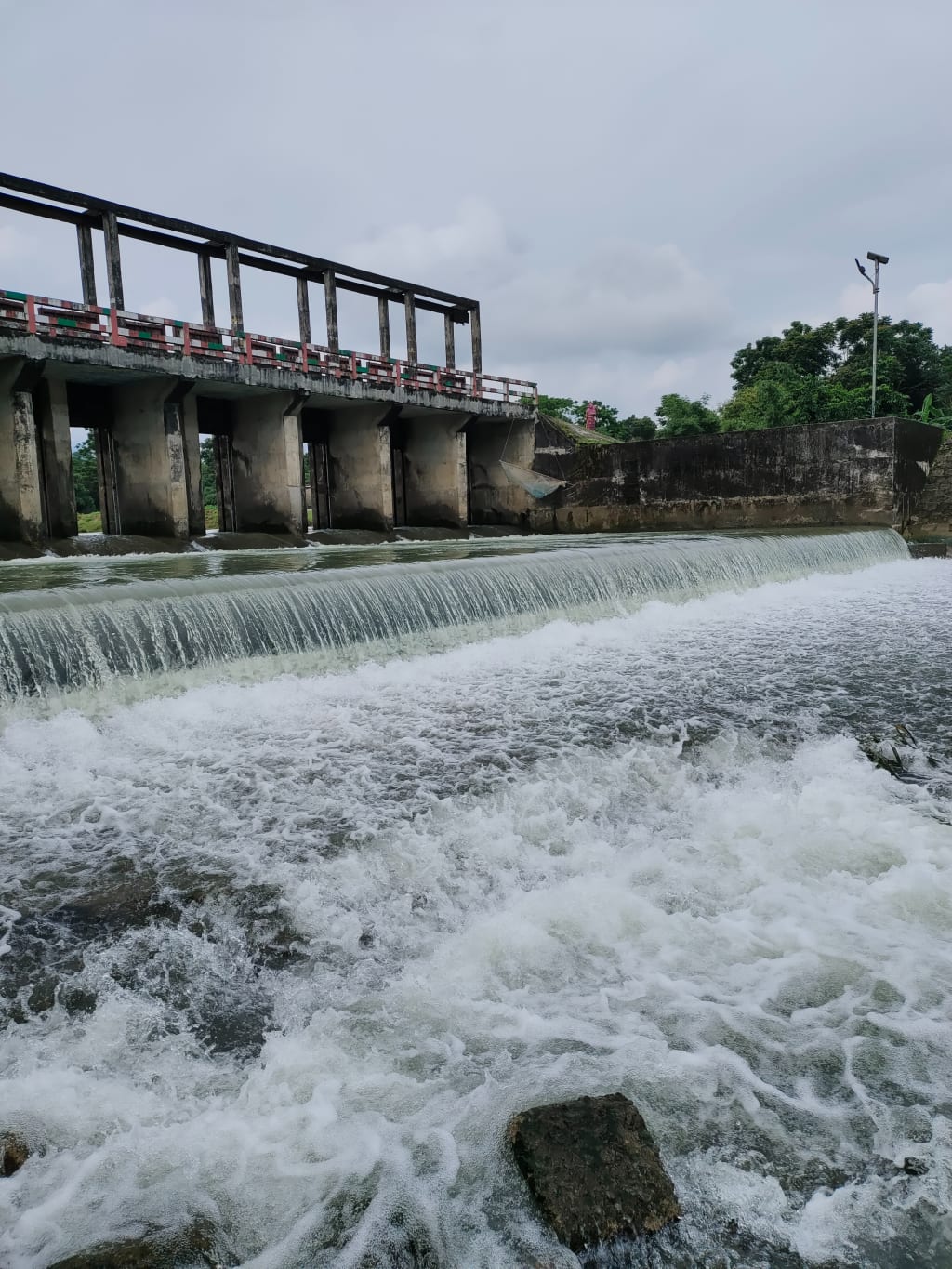
In the pursuit of clean and renewable energy sources, hydropower stands as a mighty force of nature. As the world grapples with the urgency to combat climate change and reduce our reliance on fossil fuels, the potential of hydropower shines brightly. In this article, we will delve into the fascinating world of hydropower, exploring its benefits, technologies, and its transformative impact on our energy landscape.
Understanding Hydropower
Hydropower, also known as hydroelectric power, is the energy generated from the gravitational force of falling or flowing water. By converting the kinetic energy of water into mechanical or electrical energy, hydropower systems produce electricity without emitting harmful greenhouse gases. This makes it one of the most environmentally friendly and sustainable energy sources available.
The Advantages of Hydropower
Renewable and Eco-Friendly: One of the most compelling advantages of hydropower lies in its renewable nature. As long as we have flowing water, we can tap into this boundless energy source, making it a perpetually available resource. Furthermore, unlike fossil fuels, hydropower plants do not produce harmful emissions, minimizing their impact on climate change.
Stable and Reliable Energy: Hydropower provides a stable and consistent energy supply, unaffected by fluctuations in fuel prices or weather conditions. Large reservoirs can store water for use during peak demand periods, ensuring a reliable energy source year-round.
Water Resource Management: Hydropower facilities often serve as multi-purpose systems, providing not only clean energy but also water storage, irrigation, flood control, and recreation opportunities. These integrated water management features contribute to overall regional development.
Long Lifecycle and Low Operating Costs: Hydropower plants have a long operational lifespan, often spanning several decades. Once constructed, they have relatively low operating and maintenance costs, making them economically attractive in the long run.
Rivers as Energy Highways: Rivers serve as natural conduits for transporting water to hydropower plants, making it a decentralized energy solution that can be harnessed in various locations.
Hydropower Technologies
Run-of-the-River Hydropower: This technology harnesses the natural flow of rivers without the need for large-scale reservoirs. It diverts a portion of the river's water through turbines to generate electricity. Run-of-the-river systems have minimal environmental impact and can be particularly effective in regions with steady water flow.
Reservoir Hydropower: Reservoir-based hydropower involves the construction of dams to store water in artificial lakes or reservoirs. During periods of high demand, water is released from the reservoir to drive turbines and generate electricity. Reservoirs offer greater control over energy production and can serve as water storage for various purposes.
Pumped Storage Hydropower: Pumped storage facilities act as a form of energy storage. During periods of low electricity demand, excess energy is used to pump water from a lower reservoir to a higher one. When electricity demand increases, the stored water is released to flow downhill, turning turbines and generating power.
Global Adoption and Growth
Around the world, hydropower has emerged as a major player in the renewable energy landscape. Governments and energy developers recognize its significance in meeting sustainability goals and reducing greenhouse gas emissions. Some key factors driving its global adoption include:
Decarbonization Efforts: Countries are actively seeking ways to transition to low-carbon energy systems, and hydropower offers a compelling solution to replace fossil fuels.
Green Economic Development: Hydropower projects stimulate economic growth by creating job opportunities, supporting local industries, and attracting investments.
Climate Change Mitigation: Hydropower contributes to climate change mitigation by reducing reliance on fossil fuels and cutting down carbon emissions.
Challenges and Future Prospects
While hydropower presents numerous benefits, it also faces certain challenges. Environmental concerns, such as fish migration and ecosystem disruption, need to be addressed in the planning and operation of hydropower projects. Additionally, the impact of climate change on water availability could pose challenges in the future. However, with advancements in technology and growing awareness of sustainable practices, the future of hydropower looks promising. Innovations in turbine design, dam construction, and fish passage solutions aim to mitigate environmental impacts and create a harmonious balance between energy generation and ecological preservation.
Embracing the Hydropower Revolution
Hydropower represents a key component of our journey towards a cleaner and more sustainable energy future. By harnessing the natural flow of water, we can unlock an abundance of renewable energy to power our homes, industries, and communities. With responsible planning, technological innovation, and a global commitment to combat climate change, hydropower is set to play a pivotal role in our quest for a greener and more prosperous world. Let us embrace the power of hydropower and embark on a path to a brighter and more sustainable future.
About the Creator
Keep reading
More stories from Muhammad Mahmood and writers in Earth and other communities.
Solar energy
Solar energy, one of the most abundant and renewable energy sources available, holds immense potential in our quest for a sustainable future. Harnessing the power of the sun, solar energy offers a clean, reliable, and cost-effective solution to our energy needs while reducing our carbon footprint. In this article, we will explore the intricacies of solar energy, its working principles, its advantages and disadvantages, applications across various sectors, and future trends.
By Muhammad Mahmood3 years ago in Earth
The Trees that Grow Gold in Their Leaves
I was reading a science journal article during my lunch break when I had to stop and reread a sentence three times. Eucalyptus trees in Australia were growing gold. Not attracting gold. Not sitting near gold. Actually growing it in their leaves.
By Marcus Briggs7 days ago in Earth



Comments
There are no comments for this story
Be the first to respond and start the conversation.