
How to Safely Handle and Store Chemical Waste
How to Safely Handle and Store Chemical Waste
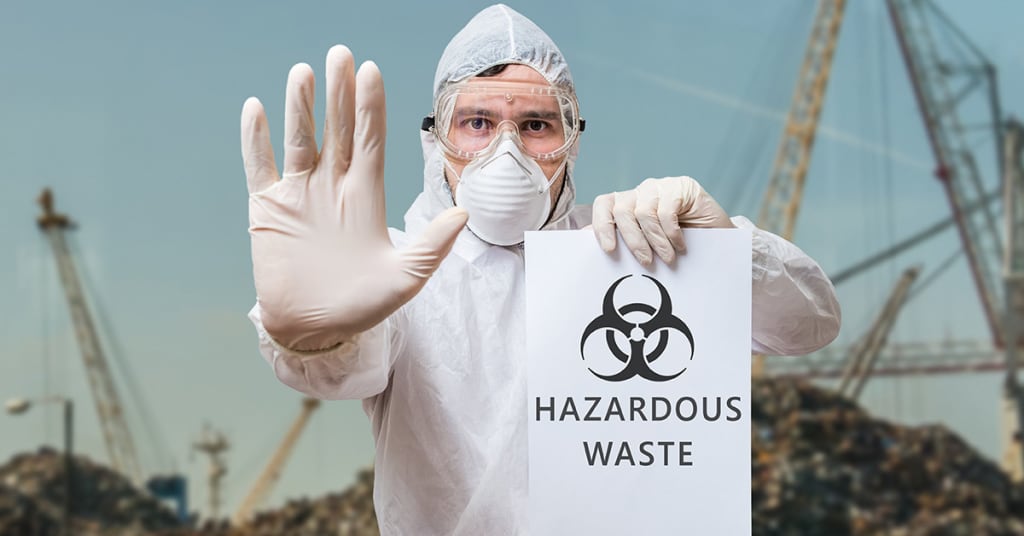
Chemical waste management is crucial for ensuring the safety of individuals and the environment. Moreover, mishandling chemical waste can lead to severe consequences, including health risks and environmental contamination.
So, here are the essential tips on how to safely handle and store chemical waste, promoting a safer workplace and compliance with regulations.
Understand Chemical Waste
Chemical waste refers to any discarded material that contains hazardous substances, often produced by industrial processes, laboratories, or manufacturing activities. Moreover, it is crucial to identify and classify chemical waste correctly. This involves:
Labeling: Clearly label all chemical containers with their contents and associated hazards.
Material Safety Data Sheets (MSDS): Also, use MSDS for detailed information on the properties and hazards of the chemicals.
Personal Protective Equipment (PPE)
To prevent exposure, handling chemical waste necessitates the use of the proper Personal Protective Equipment (PPE). so, essential PPE includes:
Gloves: Make sure your gloves can withstand the particular substances you're handling.
Goggles/Face Shields: Protect your eyes and face from splashes.
Lab Coats/Aprons: Wear protective clothing to avoid skin contact.
Spill Response
Accidental spills are a significant risk when handling chemical waste. So, prepare a spill response strategy:
Spill Kits: Equip your facility with spill kits containing absorbents, neutralizers, and protective gear.
Training: moreover, ensure all personnel are trained in spill response procedures to handle accidents effectively.
Proper Storage Practices
Storing chemical waste safely is as important as handling it. Key practices include:
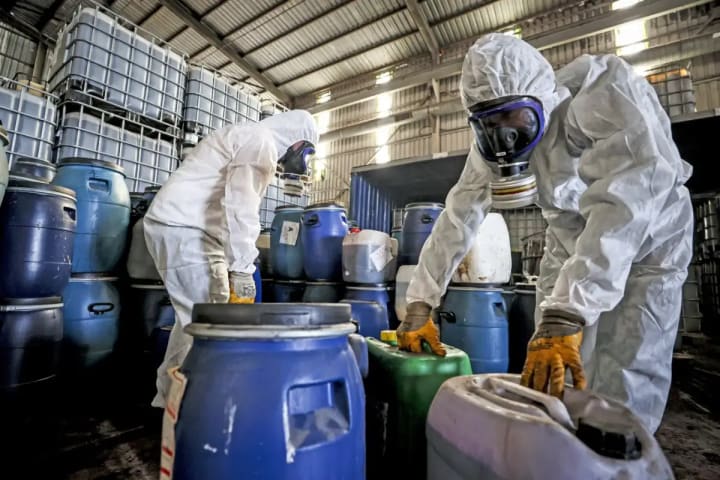
Suitable Containers
Employ containers suitable for handling chemical waste:
Non-reactive: Ensure containers are made of materials that do not react with the waste.
Leak-proof: Also, containers should be sealed properly to prevent leaks.
Labeled: Containers should be clearly labeled with the kind of garbage and any hazards.
Segregation
Store chemical wastes separately based on their hazard class to prevent dangerous reactions:
Flammables: Store away from oxidizers and sources of ignition.
Corrosives: Keep in corrosion-resistant cabinets.
Toxics: Store in secure, well-ventilated areas.
Environmental Controls
Maintain appropriate environmental conditions in storage areas:
Temperature Control: Avoid storing chemicals in areas subject to extreme temperatures.
Ventilation: Ensure good airflow to prevent the buildup of fumes.
Secondary Containment: Use trays or secondary containers to catch leaks or spills.
Disposal Methods
Disposing of chemical waste properly is the final step in waste management. Therefore, follow these guidelines:
Professional Disposal Services
Utilize licensed professional disposal services for hazardous waste. These services have the expertise and facilities to handle and dispose of waste safely.
On-site Treatment
Some chemical wastes can be treated on-site to neutralize hazards. So, this requires:
Specialized Equipment: Ensure you have the necessary equipment and trained personnel.
Regulatory Approval: Obtain the required permits and follow local regulations.
Recycling and Reuse
Identify opportunities to recycle or reuse chemical waste. This can reduce the amount of waste needing disposal and conserve resources.
Training and Education
Regular training and education for all personnel handling chemical waste are essential. This includes:
Safety Protocols: Regularly update staff on safety procedures and emergency responses.
Regulatory Changes: Keep staff informed about any changes in regulations.
Best Practices: Encourage continuous improvement in waste management practices.
Conclusion
Effective chemical waste management is crucial for workplace safety and environmental protection. Moreover, by understanding the types of chemical waste, following safe handling and storage procedures, and ensuring proper disposal, chemical disposal company can minimize risks and comply with regulatory requirements.
So, to keep a chemical waste management system safe and effective, regular training and adherence to best practices are essential. Moreover, taking these steps helps protect human health, preserve the environment, and promote a culture of safety and responsibility.
About the Creator
Bartender
On the heels of grief, pain bears down hard. On the heels of death, pain awakens the quiet place between the end of our own life and now. Feeling anything is like seeing a film and in black and white, slow motion, all sound turned off. Just watching. Gritting teeth, awkward smiles and bloody red eyes move around, scanning the others who are feeling something I don't want to feel, but I do. Escapism is all I have ever known. ~
By ROCK aka Andrea Polla (Simmons)a day ago in Poets




Comments
There are no comments for this story
Be the first to respond and start the conversation.