
Controlled Medications Collection: Key Steps and Protocols
The collection of controlled medications involves a comprehensive set of steps and protocols designed to ensure safety, compliance, and efficiency.
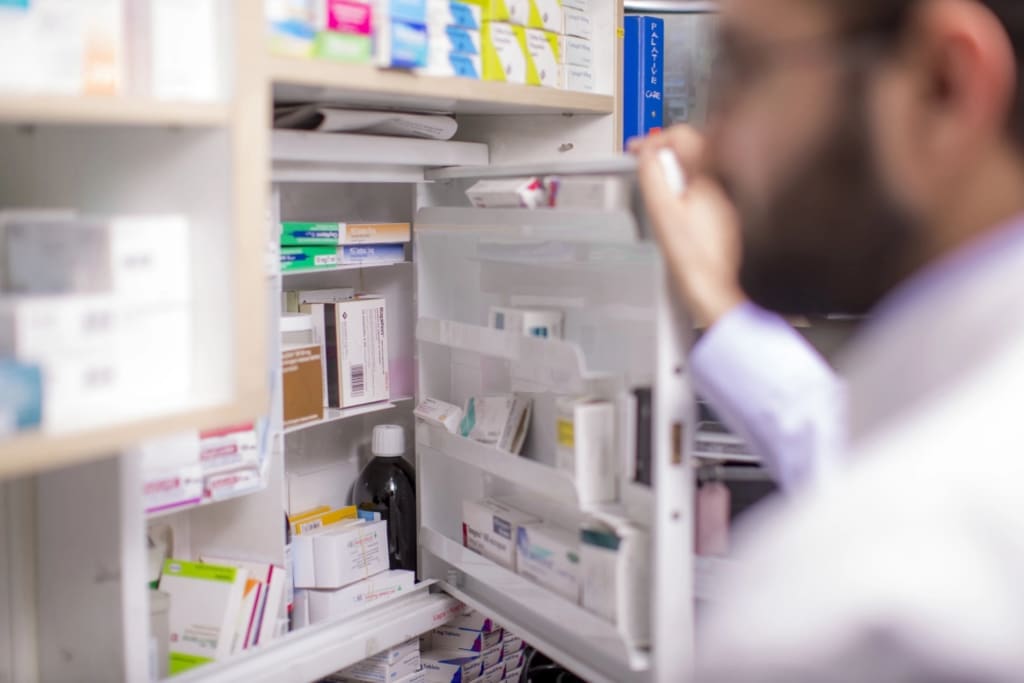
Controlled medications are vital for managing a range of health conditions, including chronic pain, anxiety, and attention disorders. However, their potential for abuse and misuse makes it imperative to implement stringent protocols for controlled medications collection and disposal.
Effective management helps prevent diversion—where drugs are diverted from their intended medical use—ensures safety for patients and the public, and adheres to legal regulations. Proper disposal methods, such as authorized take-back programs and secure drop-off locations, are crucial in minimizing environmental impact and reducing the risk of accidental exposure or intentional misuse.
Here are the key steps and protocols involved in the collection of controlled medications, offering guidance for both individuals and organizations.
Understanding Controlled Medications
Controlled medications, also known as controlled substances, are drugs that are regulated by government authorities due to their potential for abuse, addiction, or misuse. Based on their potential for dependency and medical utility, substances are classified into Schedules I and V, which range from high abuse potential to reduced abuse and approved medicinal usage.
The Importance of Proper Collection
The need for proper collection of medications include:-
Preventing Abuse and Diversion
One of the primary reasons for the meticulous collection of controlled medications is to prevent their misuse or diversion. Improper disposal can lead to these substances falling into the wrong hands, potentially contributing to substance abuse issues. Ensuring that controlled medications are collected and disposed of correctly helps mitigate this risk.
Compliance with Regulations
Adhering to collection protocols is not just about safety; it's also a legal requirement. Agencies such as the Drug Enforcement Administration (DEA) in the United States set forth regulations that govern the collection and disposal of controlled substances. Compliance with these regulations helps avoid legal repercussions and ensures that organizations meet their regulatory obligations.
Key Steps in Controlled Medications Collection
Steps involved in the controlled medications collection are as follows:-
1. Establishing a Collection Program
For organizations, such as pharmacies or healthcare facilities, the first step is to establish a structured collection program. This entails establishing specific locations for collections and making sure that all employees have received the necessary training. Moreover, a well-defined program helps streamline the collection process and ensures consistency.
2. Training Staff
Training is critical to ensure that everyone involved in the collection process understands the regulations and procedures. This includes recognizing the types of controlled substances, understanding the legal requirements, and being aware of how to handle and document the medications properly.
3. Setting Up Collection Points
Collection points are designated areas where individuals can safely dispose of their controlled medications. These points must be secure and tamper-proof to prevent unauthorized access. For pharmacies and healthcare facilities, this often involves using secure collection bins that comply with regulatory standards.
4. Handling Medications
When handling controlled medications, it’s essential to follow strict protocols to ensure safety and prevent contamination. Medications need to handle with care, and the usage of proper personal protective equipment (PPE) is necessary. Therefore, this includes any necessary protective gear, such as masks and gloves.
5. Documenting the Collection
Accurate documentation is crucial for compliance and accountability. Every collection should be recorded, including details such as the type and quantity of medications collected, the date, and the responsible personnel. This documentation helps track the process and provides a record in case of audits or inspections.
6. Transporting Medications
Once collected, controlled medications need to be transported to a secure location for disposal. This should be done by legal requirements, using secure and tamper-evident packaging to prevent any potential breaches during transport.
7. Disposing of Medications
The disposal of controlled medications must be handled by authorized facilities that are equipped to manage hazardous waste. These facilities follow specific protocols to ensure that medications are destroyed in a manner that prevents environmental contamination and reduces the risk of misuse.
8. Monitoring and Auditing
Regular monitoring and auditing of the collection process help ensure that protocols are being followed and that any issues are addressed promptly. This includes reviewing documentation, inspecting collection points, and evaluating staff adherence to procedures.
9. Public Education
Educating the public about the importance of proper disposal of controlled medications is also vital. Awareness campaigns and informational materials can help individuals understand the risks associated with improper disposal and encourage them to use designated collection points.
10. Continuous Improvement
Finally, organizations should continuously evaluate and improve their collection protocols. This includes staying updated on regulatory changes, incorporating feedback from staff and the public, and making adjustments to enhance the efficiency and effectiveness of the collection process.
To Wrap Up
The collection of controlled medications involves a comprehensive set of steps and protocols designed to ensure safety, compliance, and efficiency. By establishing a structured collection program, training staff, and adhering to legal requirements, organizations and individuals can effectively manage these substances and prevent misuse.
Proper documentation, secure handling, and responsible disposal are key to maintaining the integrity of the collection process and safeguarding public health. Organization like CWT (Cleanco Waste Management) adhere to follow all the steps involved in the controlled medications collection and protocols involved.
About the Creator
Prosperity Without Relief: Why Many Saudis Feel Squeezed Amid an Economic Boom
Saudi Arabia is frequently portrayed as a nation in the midst of a historic economic transformation. Mega-projects rise from the desert, foreign investment conferences draw global CEOs, non-oil revenues are expanding, and the Kingdom’s Vision 2030 reform agenda is regularly praised as bold and ambitious. On paper, the economy appears dynamic and forward-looking.
By Ayesha Lasharia day ago in Earth



Comments
There are no comments for this story
Be the first to respond and start the conversation.