
Almaty Steps In: Saudi Arabia’s Neom Loses 2029 Asian Winter Games Hosting Rights
Kazakhstan’s winter sports hub will host the Games after Saudi Arabia’s ambitious desert project faces delays
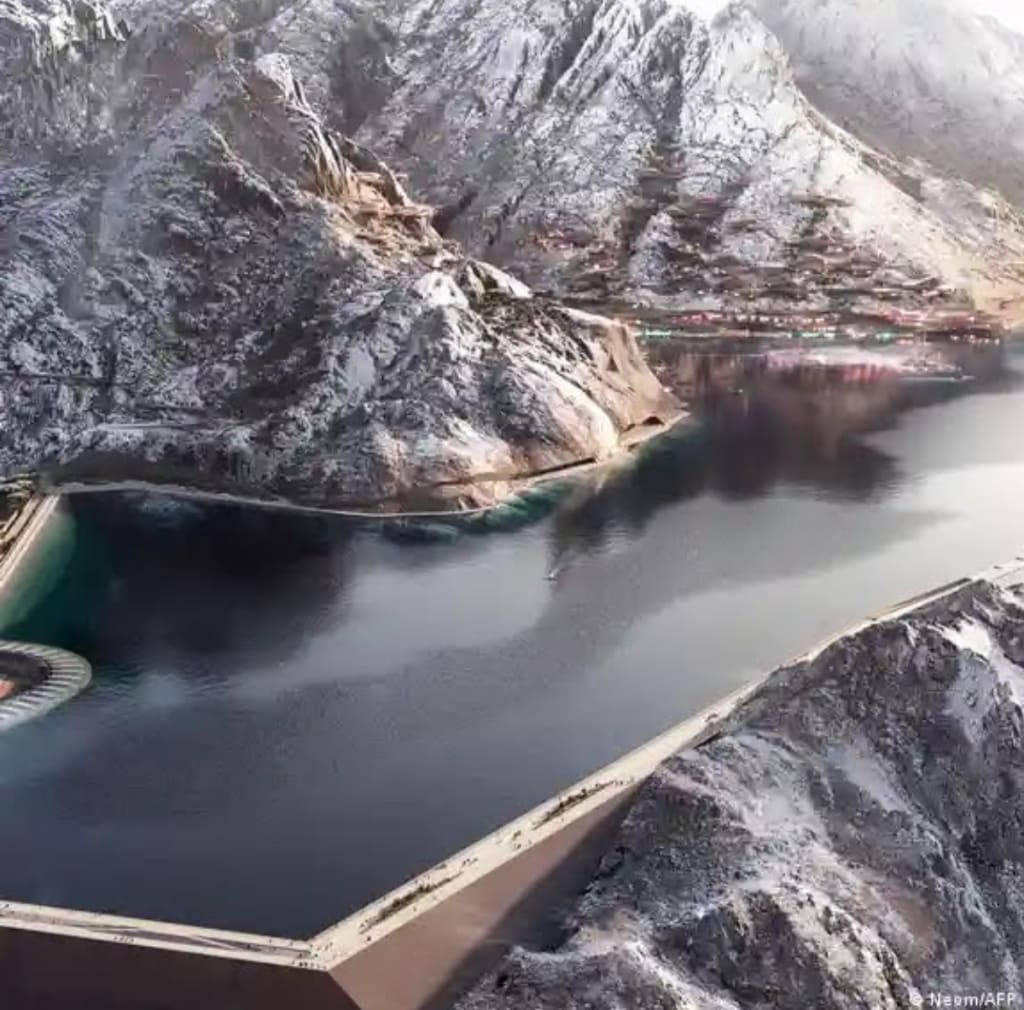
In a surprising turn of events, the 2029 Asian Winter Games, initially awarded to Saudi Arabia’s futuristic city of Neom, will now be hosted by Almaty, Kazakhstan. The decision, announced by the Olympic Council of Asia (OCA) during the 2026 Winter Olympics, reflects logistical challenges faced by Saudi Arabia in delivering a world-class winter sports venue in the desert.
Neom, envisioned as a high-tech megacity under Saudi Arabia’s Vision 2030, had promised an iconic location for the Games at Trojena, a planned mountain resort within the development. However, construction delays and technical challenges made it clear that hosting a continental multi-sport winter event there would be infeasible.
Neom: A Visionary but Challenging Venue
Saudi Arabia’s bid in 2022 drew global attention. Neom’s Trojena resort was planned as a unique winter sports destination in the Arabian desert, complete with ski slopes, hotels, and man-made snow systems. Hosting the Asian Winter Games would have marked the first time the event was held in an Arab country.
While the vision was ambitious and symbolic, it became increasingly apparent that the timeline for developing infrastructure and ensuring safety, snow quality, and athlete readiness was unrealistic. The OCA and Saudi authorities agreed to reconsider hosting timelines, effectively passing the Games to a city with proven winter sports capabilities.
Almaty: A Proven Winter Sports Destination
Almaty, Kazakhstan’s largest city, brings decades of experience hosting international winter events. With previous experience in the 2011 Asian Winter Games and the 2017 Winter Universiade, the city already has ski resorts, arenas, and training facilities suitable for athletes and spectators alike.
The OCA praised Almaty’s infrastructure and readiness, noting that the city’s natural mountainous terrain and winter climate ensure an authentic winter sports experience. For athletes, this change guarantees that the Games will take place under optimal conditions, with reliable facilities and snowy slopes.
Why the Change Was Necessary
The decision to move the Games was driven by feasibility and readiness. Saudi Arabia’s desert megaproject required extensive engineering, artificial snow systems, and energy-intensive construction. Meeting the OCA’s standards and timelines proved extremely challenging.
Officials emphasized that the postponement does not eliminate Saudi Arabia from hosting future winter sports events. Instead, it provides time to strengthen infrastructure, train personnel, and build a sustainable winter sports culture aligned with Vision 2030 goals.
Economic and Strategic Implications for Saudi Arabia
Neom remains central to Saudi Arabia’s long-term economic transformation. Hosting the Asian Winter Games would have elevated the Kingdom’s global profile, attracting tourism, foreign investment, and international media attention.
Delaying the event underscores the difficulties of executing megaprojects in harsh environments but also demonstrates a strategic, pragmatic approach: focusing on readiness before hosting major international events. Vision 2030 continues to prioritize economic diversification, including tourism, entertainment, and sports development, with Trojena remaining a flagship project.
Almaty’s Opportunity and Advantages
For Kazakhstan, hosting the Games again is both prestige and practical advantage. Almaty’s winter sports infrastructure minimizes the need for new construction, reducing costs and risk. Athletes will benefit from well-tested slopes and arenas, while organizers can rely on local expertise in running large-scale events.
Kazakhstan’s government has highlighted the Games as an opportunity to boost tourism, promote winter sports, and strengthen international ties. Local businesses, hotels, and transport services are expected to benefit from increased economic activity.
Regional and Global Reactions
The international sports community has generally welcomed the move. Observers view Almaty’s selection as a pragmatic choice, ensuring the Games proceed without disruption. Some analysts see it as a learning moment for countries seeking to host winter sports in challenging climates, balancing ambition with feasibility.
Saudi Arabia’s efforts, while delayed, continue to demonstrate its desire to host world-class sports events, signaling long-term strategic commitment rather than failure.
Looking Ahead to 2029
With Almaty confirmed as the host, preparations for the 2029 Asian Winter Games can proceed with certainty. Athletes, coaches, and national teams can plan training schedules, logistics, and travel arrangements knowing the facilities are ready.
Meanwhile, Saudi Arabia will likely continue to develop Neom and Trojena, exploring other international sports and cultural events that align with the megacity’s futuristic vision. The Kingdom’s long-term investment in tourism, sports, and entertainment remains on track despite this temporary setback.
Conclusion
The replacement of Saudi Arabia’s Neom with Almaty as the 2029 Asian Winter Games host city highlights the complexities of staging international events in challenging environments. While Neom’s vision remains ambitious, Almaty’s experience, infrastructure, and winter conditions ensure the Games will proceed smoothly and safely.
For Kazakhstan, the decision reinforces its position as a winter sports hub in Asia. For Saudi Arabia, it offers a chance to refine and prepare before taking on the immense challenge of hosting major winter sporting events in the desert.
Ultimately, this development illustrates the balance between ambition and practicality, showing how global sports organizations prioritize readiness, athlete safety, and event success.
About the Creator
Protesters Bid to Save the ‘Heart’ of Margate
Residents and activists in Margate have launched a passionate campaign to save what they describe as the town’s “heart” — a historic public space facing redevelopment. The dispute has ignited local debate over preserving heritage, supporting small businesses, and maintaining the cultural identity of one of England’s most iconic seaside towns.
By Aarif Lashari5 days ago in Earth
Melting Antarctic Ice Did the Opposite of What Scientists Expected
Antarctica’s ice sheets are melting faster than ever. For decades, scientists believed this could actually help slow climate change by feeding the ocean with iron, a nutrient that powers algae growth — and in turn, draws carbon dioxide from the atmosphere.
By Ayesha Lashari4 days ago in Earth
The Devil's Triangle
The sails ruffled in the breeze as we cruised along. The Sea Breeze was a mid-size catamaran that sailed out of Royal Naval Dockyard in Bermuda. We had booked this trip weeks in advance and were now looking at our Captain, Spike and two boat hands. Paddy and Wilson seemed like nice guys, joking around with the passengers and telling us some stories about Bermuda that only locals would know. Their island accents sounded almost British but they were pleasant to listen to.
By Barbara Gode Wiles4 days ago in Fiction


Comments
There are no comments for this story
Be the first to respond and start the conversation.