
How to Care your plants in Rainy Season?
7-easy steps to care your indoor plants in monsoon season:

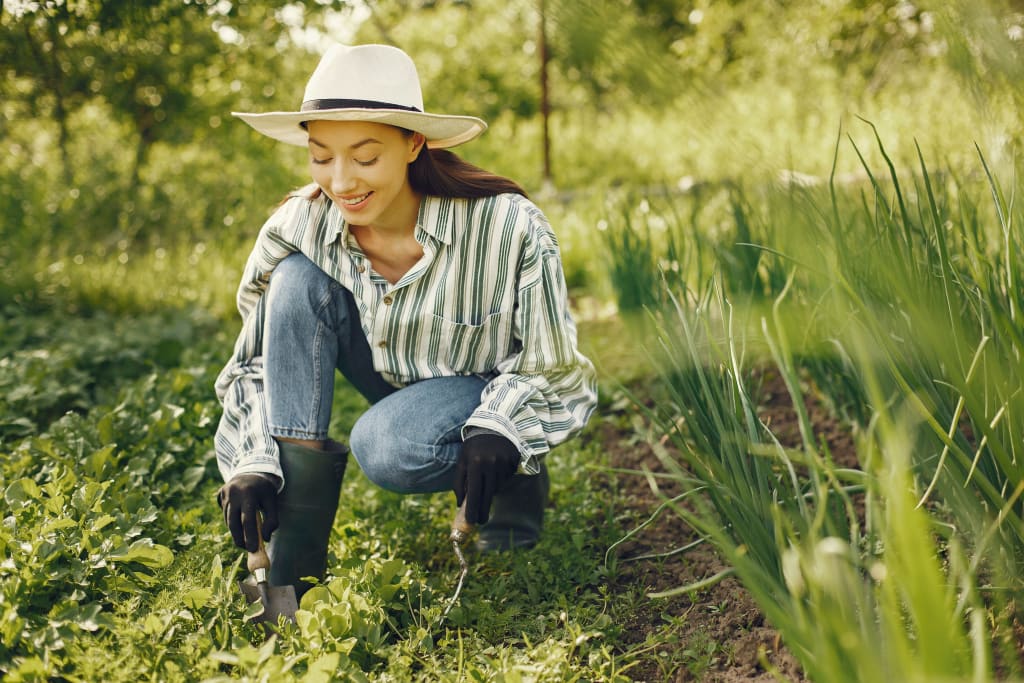
How to Care your plants in Rainy Season?
You need to put some extra care while doing gardening in a rainy season because its challenging due to the extra moist atmosphere around your plants. You have to fill the pots of your indoor and outdoor plants completely and you can split the filling into two parts, one part can contain cow dung and another part can have other soil and compost.
Some amazing steps and pro-tips are shared in this article to make your gardening as a “happy gardening”
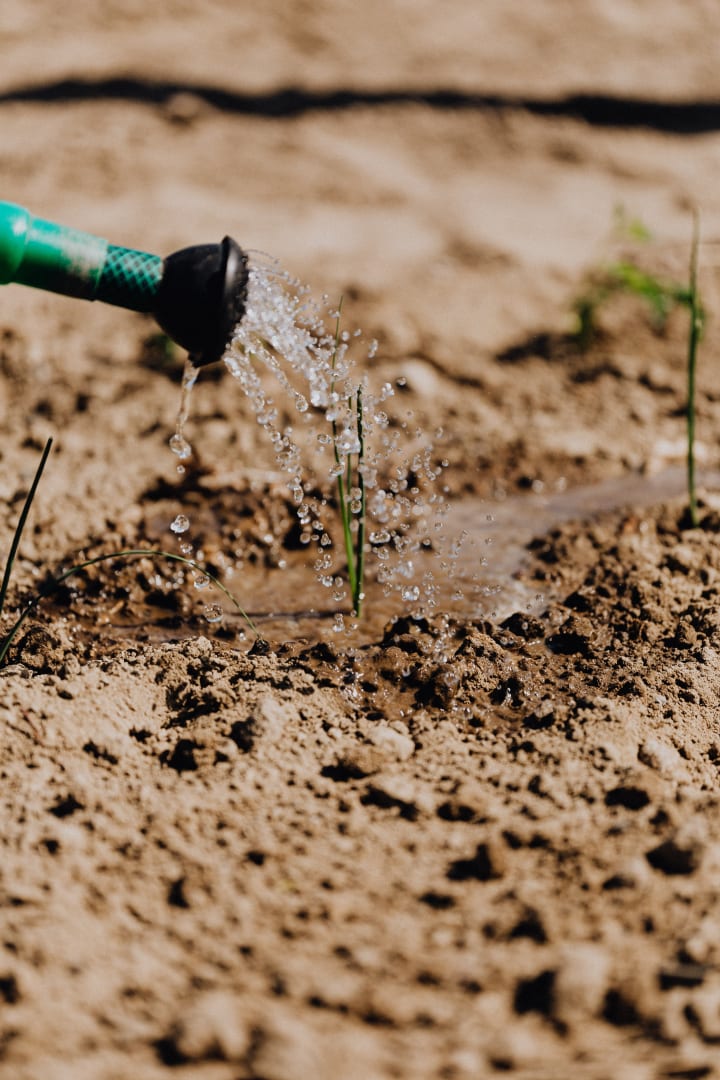
7-easy steps to care your indoor plants in monsoon season:
1: extra care of pot
First and foremost step is to take additional care of your plants pots to make sure that, there is proper drainage in it.
When your plants take plenty amount of water in rainy season the soil surface become clogged and ultimately there will be no in and out air process in the soil. It will result in the weakening the roots of your plants and can make them dead within week.
2: loosen up the soil
During the rainy days the soil blocks the inner layer and become compacted. All you need to do is to loosen up the soil with the help of gardening tools and add some amount of extra soil such as compost to retain its moisture and nutrients value.
3: Look after the roots
Excessive amount of water during the rainy season not only saturate the soil but also stop the optimum amount of oxygen to reach to the roots. As a result, the roots of the plans loosen up and reduce its strength with the ground soil and become dead.
The best solution to cope up these issues is to, protect your plants soil with the additional amount of clay, and compost on the surface and dig up with the help of mulching tool.
If you have kept the plants in the plastic containers, then you have to pour out the excessive amount of water from it then you can add additional clay in those plastic pots.
4: Reduce watering
We know, it is a super obvious that there is no need to water the plants in a rainy season because they already get the plenty amount of water through rains. But, sometimes, little child, young children, take extra care of their indoor or outdoor plants and water them regularly, so you have to give then instruction to not give water in the rainy season to the plants.
5: Trim the plants
Rainy season comes with excessive amount of water for the plants, but it also make some plant leafs to die due to ample amount of water. So the first step you need to do is to, trim the damaged leafs of the indoor or outdoor plants regularly. As far as, you need to cut down the damaged stems too to keep them healthy and strong look.
6: Use of sprays and fungicides
You have to spray your indoor and outdoor plants after every week to combat the fungus and insects that are more prone to attack in the monsoon season.
You can use neem oil drops in the water bottle as a fungicides killing spray.
7: Proper sunlight
Plants are just like your small babies, you have to take care of them properly not occasionally. Make sure that your natural friends are getting proper amount of sunlight in rainy days. You need to change the location of your plants in monsoon days, because it is hard to get sunlight in rainy season. As far as some plants are sunny plants such as succulents and cacti, so keep them on the place where they can get proper sunlight at least 3-4 hours in rainy season.
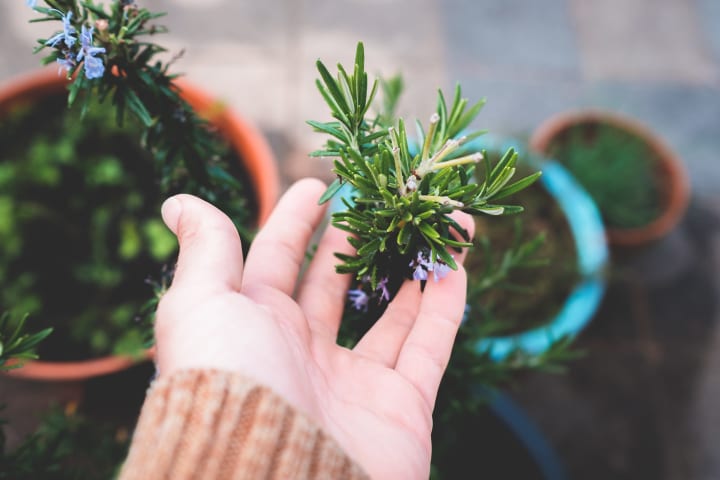
Tips to care for your garden in rainy season:
Rainfall is beneficial for your indoor and outdoor plants but, excessive amount of water can be fatal for the health of your natural friends.
We have shared 7-easy steps to take care of your indoor and outdoor plants but now you can have some pro-tips to look after your natural friends.
Repotting of your plants: we know, it’s hard and time taking process to repotting of your plants but this process can be act as a savior for the health of your indoor and outdoor plants.
So, you have to shift them in bigger pots, where they can have a option of proper drainage of water.
Support your plants: yes, you heard that right, support your plants with the help of rope or stick to not to fall them on the ground. In the beginning the stem of your plants remains weak, and strong winds and storms can break their stem easily. So supporting them with stick or attach them with tight rope with another plant could be life savior for them.
Clean the plates of your plants:
In the rainy season, the breeding of insects and mosquitoes in the plates of your plant is possible. You have to neat and clean the pots and plates of your indoor and outdoor plants and make sure that there is not water in the plates.
--------------------------------------------------------------
Meet me!
I am Iqra, I write blogs on numerous domains but love to write on pets, books reviews, plants, mindfulness, health, and studies.
You can approach me here on linkedIn.
https://www.linkedin.com/in/iqra-aslam-857625266/
About the Creator
Iqra Aslam
This is Iqra, curious individual, ambitious personality , and enthusiastic learner to learn useful insights. Also, like to wear my hats, done with MPhil in Geography from GCU Lahore, Pakistan, and an active member of Medium platform too.
Reader insights
Outstanding
Excellent work. Looking forward to reading more!
Top insights
Compelling and original writing
Creative use of language & vocab
Easy to read and follow
Well-structured & engaging content
Excellent storytelling
Original narrative & well developed characters
Expert insights and opinions
Arguments were carefully researched and presented
Eye opening
Niche topic & fresh perspectives
Heartfelt and relatable
The story invoked strong personal emotions
Masterful proofreading
Zero grammar & spelling mistakes
On-point and relevant
Writing reflected the title & theme
Keep reading
More stories from Iqra Aslam and writers in Earth and other communities.
Book Review: The Alchemist by Paulo Coelho
Book Review: The Alchemist by Paulo Coelho “A Santiago Journey to Achieve his Legend” A brief: Paulo Coelho’s “The Alchemist” is a hypnotizing and mesmerizing story that takes readers on an excursion of self-disclosure, spiritual awakening, and the quest for one’s dreams. This tale-like novel follows the story of Santiago, in the mystical landscapes of Andalusia, Spain who embarks on a groundbreaking quest in the search of hidden treasure. The novel includes the recurring motifs of Dreams, Omens, Destiny, and Alchemy.
By Iqra Aslam11 months ago in BookClub
US Backs Pakistan’s ‘Right to Defend Itself’ Against Taliban After Strikes on Afghanistan
The United States has voiced support for Pakistan’s “right to defend itself” following reported cross-border strikes targeting Taliban-linked militants inside Afghanistan. The statement comes amid escalating tensions between Islamabad and Kabul, raising concerns about regional security, sovereignty, and the fragile balance along one of the world’s most volatile borders.
By Aarif Lashari6 days ago in Earth


Comments (2)
The most crucial advice is Reduce watering and add some soil to the loose soil In the rainy season, the plants, especially in the pots, became so loose, and algae started growing on them.
yeah, rainy season is just around the corner in July and August and the tips you shared is very helpful and beneficial.