
How Spring Affects Animal Behavior (and What We Can Learn)
Spring Fever Isn’t Just for Humans—Animals Feel It Too!

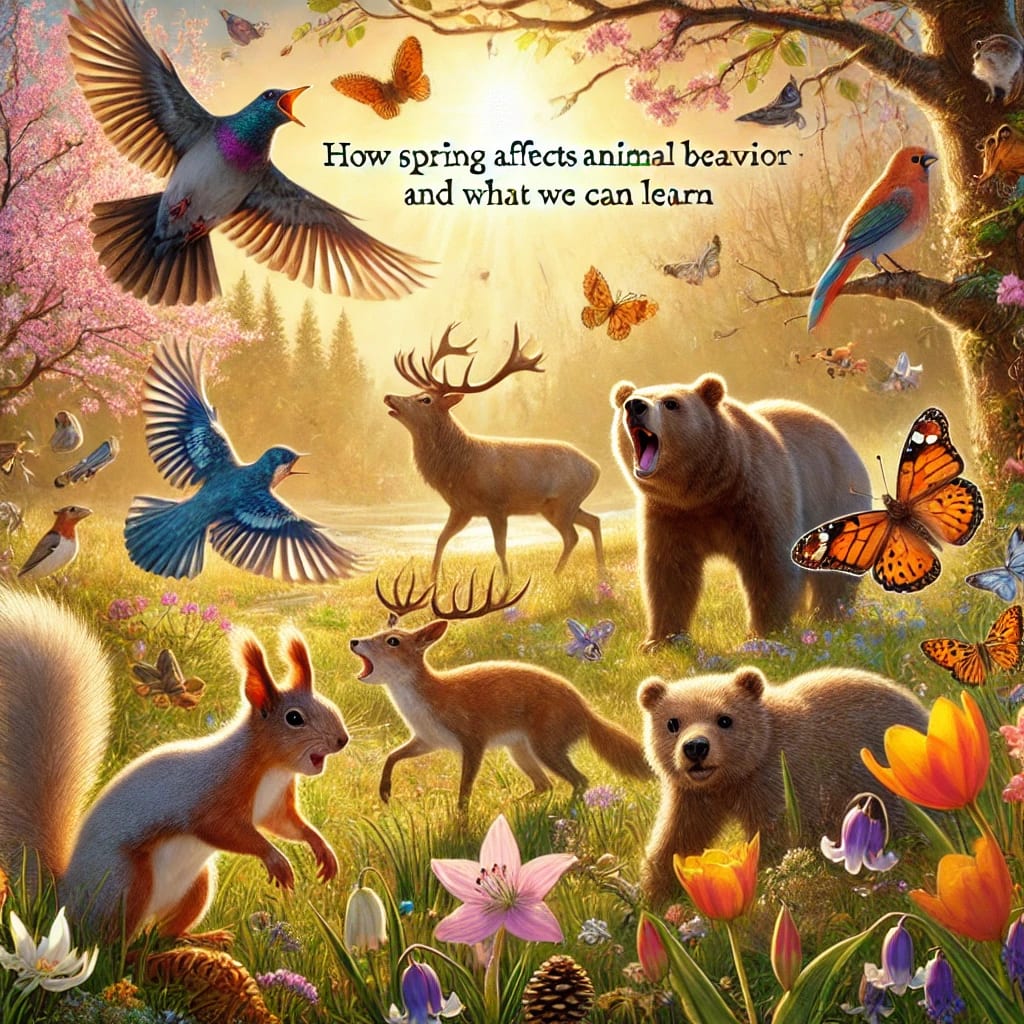
Ah, spring! The season of blooming flowers, longer days and sneezing fits. But while we’re busy dusting off our picnic blankets and debating whether it’s finally warm enough to ditch our jackets, the animal kingdom is in full swing. Birds start singing love songs at dawn, squirrels suddenly act like they’ve had one too many energy drinks, and even your lazy house cat seems a little…weird.
Spring doesn’t just wake up plants—it wakes up animals, too. Hormones go wild, migration routes get crowded, and there’s a whole lot of flirting in the air. But why does this happen? And what can we learn from our furry and feathered friends? Let’s dive into the science (and the fun) of how animals change when spring arrives!
1. Birds Turn Into Hopeless Romantics
If you’ve ever been rudely awakened by a chorus of birds at 5 a.m., you’ve witnessed one of spring’s most enthusiastic rituals—bird courtship season. Male birds sing, dance, and flash their best feathers to impress the ladies. Think of it as nature’s version of online dating but with more chirping and less ghosting.
Why? Longer daylight hours trigger hormonal changes that make birds…well, a little love-crazy.
Fun fact: The European Robin sings two different songs—one for winter (territory defense) and one for spring (sweet-talking potential mates).
Lesson for us: If birds can get up early to find love, maybe we should stop hitting snooze on our dating apps.
2. Squirrels Become High-Energy Maniacs
Have you ever seen a squirrel in spring? They chase each other, leap between trees like superheroes, and bury acorns they’ll never remember. It looks chaotic, but there’s a method to their madness:
Why? Spring means mating season, and all that running around is part of their flirtation game.
Fun fact: Female squirrels choose mates based on who can keep up with their crazy energy. If you’re too slow, you’re out.
Lesson for us: If squirrels can bring this much energy to dating, we should at least put some effort into our spring workouts.
3. Bears Wake Up—And They’re Hangry
After months of hibernation, bears emerge from their dens starving. Imagine sleeping through winter and waking up with the world’s worst case of the munchies. Their first stop? Anything remotely edible—berries, fish, trash cans, and even picnic baskets (thanks for the idea, Yogi Bear).
Why? Hibernation slows their metabolism, so when spring arrives, they need to bulk up fast.
Fun fact: Black bears can eat up to 20,000 calories a day in spring. That’s like 50 cheeseburgers.
Lesson for us: Maybe it’s time to shake off winter laziness and get back to healthier habits (but maybe not 50 cheeseburgers).
4. Deer Get Social (And a Little Reckless)
During winter, deer conserve energy and keep a low profile. But come spring, they’re on the move—grazing, socializing, and sometimes running straight into traffic (seriously, be careful on the roads).
Why? Warmer weather means more food, so deer venture further from their winter hiding spots.
Fun fact: Spring is also fawn season! Newborn deer hide in tall grass while their mothers search for food.
Lesson for us: Spring is a great time to reconnect with friends. Just don’t take socializing to the extreme (like, say, running into oncoming traffic).
5. Frogs Throw Rowdy Pool Parties
Ever heard a chorus of frogs croaking on a warm spring evening? That’s amphibian karaoke night, and it’s all about romance. Male frogs sing their hearts out to attract females, and the louder the croak, the better their chances.
Why? Spring rains create the perfect conditions for frog breeding, and males want to impress.
Fun fact: Some frogs can change the pitch of their calls to stand out from the crowd.
Lesson for us: Confidence is key in dating. Maybe skip the loud croaking, though.
6. Butterflies Go Looking for Love
Spring isn’t just a time for butterflies to flutter around looking pretty—they’re also on a mission to find a mate and lay eggs. Males patrol meadows, searching for the perfect female, while females carefully choose the best plants to lay their eggs.
Why? Spring flowers provide plenty of nectar, which gives butterflies the energy to search for love.
Fun fact: Monarch butterflies can fly up to 100 miles in a day during migration.
Lesson for us: If a tiny butterfly can travel 100 miles for love, maybe we can go a little farther than our couch.
Conclusion: Spring Fever is Real
It’s clear—spring isn’t just about blooming flowers and allergy meds. Animals go all out, from romance and travel to feasting and fun. And honestly? We should take notes.
Spring is the perfect time to wake up from winter mode, get active, socialize, and embrace fresh opportunities. Whether it’s starting a new hobby, traveling, or just soaking up the sunshine, nature is giving us a not-so-subtle hint:
Go outside. Enjoy life. Maybe even sing a little (but not at 5 a.m.).
“In the spring, at the end of the day, you should smell like dirt.” — Margaret Atwood
Have you noticed animals acting differently in spring? Drop a comment and share your funniest wildlife observations!
About the Creator
Pure Crown
I am a storyteller blending creativity with analytical thinking to craft compelling narratives. I write about personal development, motivation, science, and technology to inspire, educate, and entertain.
Keep reading
More stories from Pure Crown and writers in Earth and other communities.
The Role of Pollination in Spring’s Ecosystem
Spring is a season of transformation. Trees wake from their winter slumber, flowers bloom in vibrant colors, and the air is filled with the soft hum of bees. But behind this beauty lies a fascinating process that makes it all possible—pollination.
By Pure Crownabout a year ago in Earth
Staying sane in the insane world.
”It is no measure of health to be well adjusted to a profoundly sick society.” Jiddu Krishnamurti This quote has been one of my favourites since the moment I first laid my eyes on it. To me, it cuts right through the fog of the illusion of normality that permeates our lives. And since I am someone who has never felt (well) adjusted to this society, Krishnamurti’s words gifted me with the realisation that there isn’t anything inherently wrong with me.
By Eva Smitte7 days ago in Humans




Comments
There are no comments for this story
Be the first to respond and start the conversation.