
How Reusable Bottles Help Reduce Plastic Waste
A simple everyday switch that makes a global difference

Plastic waste has become one of the most pressing environmental challenges of our time. More than a million plastic bottles are purchased around the world every minute, and most of them are used just once before being thrown away. Although plastic is convenient and inexpensive, it lingers in the environment for centuries, breaking down into microplastics that contaminate oceans, soil, and our food chain.
Our daily choices matter more than we realize. One of the simplest yet most powerful actions is to switch from single-use plastic water bottles to reusable ones.
The Scale of the Plastic Bottle Problem
The sheer number of disposable plastic bottles is staggering. According to recent estimates, more than 480 billion plastic bottles are produced each year. Unfortunately, fewer than 30% of those bottles are collected for recycling, and an even smaller percentage are actually recycled into new bottles.
The rest end up in landfills or waterways, where they take up to 450 years to decompose. During this slow decay process, they release harmful chemicals and microplastics that pollute marine ecosystems and threaten wildlife.
Each plastic bottle you throw away may seem insignificant, but collectively, our consumption habits are leaving a permanent mark on the planet.
How Reusable Bottles Make a Real Difference
Although switching to a reusable bottle may seem like a small step, the impact is substantial. One person who stops buying single-use bottles could save 150 to 200 plastic bottles per year. Multiply that by millions of people, and the potential for change becomes enormous.
Reusable bottles also reduce the demand for producing new plastic. Manufacturing plastic consumes fossil fuels and generates significant carbon emissions. By reusing instead of discarding, you help lower energy use, greenhouse gas emissions, and the environmental burden of plastic waste.
Furthermore, the long lifespan of a durable bottle—whether made of stainless steel, glass, or BPA-free plastic—means fewer products end up in the trash. This small lifestyle change creates a big ripple effect.
Types of Reusable Bottles and Their Sustainability
Not all reusable bottles are the same. Different materials have unique advantages when it comes to durability, safety, and recyclability. Here’s a closer look:
- Stainless steel bottles: These bottles are among the most durable and sustainable choices. They last for years, resist rust, and maintain temperature well. Stainless steel is recyclable and won't leach chemicals into your water.
- Glass Bottles: Glass is fully recyclable and provides a pure taste without any chemical interaction. However, glass is heavier and more fragile, making it less suitable for travel or outdoor use.
- BPA-free plastic (like Tritan or PCTG) : These bottles are lightweight, affordable, and impact-resistant. While they don’t last as long as steel or glass bottles, they are safer alternatives to regular plastic bottles and can reduce waste significantly when reused properly.
- Silicone Collapsible Bottles: These flexible bottles are ideal for travelers and minimalists because they save space and have a relatively low environmental footprint. They may not be as durable, but they’re convenient and portable.
The key is to choose a reusable bottle that fits your lifestyle so that you’re encouraged to use it consistently.

The Ripple Effect: From Individuals to Communities
When one person starts using a reusable water bottle, it often inspires others to do the same. This behavior spreads through workplaces, schools, and social groups, creating a culture of mindful consumption.
Businesses and institutions are responding to this shift as well. Many offices and public spaces now offer refill stations instead of selling bottled water. Some cafés even offer discounts when customers bring their own bottles or cups.
Thus, individual habits drive broader environmental awareness and encourage collective action. The more people who adopt reusable alternatives, the stronger the message to manufacturers and policymakers that sustainable products are the future.
Practical Tips for Making the Switch
Switching to a reusable bottle lifestyle is easier than you might think. Here are a few practical steps to help you get started:
- Pick the right bottle for your needs. Consider your daily routine. If you need something lightweight for commuting, a BPA-free plastic or collapsible bottle might be ideal. For long days outdoors, an insulated stainless steel bottle will keep your drinks cold or hot for hours.
- Always carry it with you. Keep one in your bag, car, or workspace. The more accessible your bottle is, the less tempted you’ll be to buy disposable water.
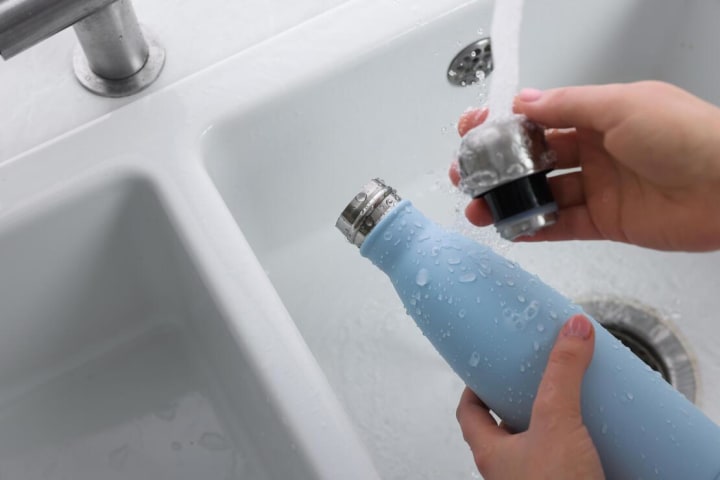
- Keep it clean. Regular cleaning prevents bacteria buildup and maintains freshness. Most reusable bottles can be washed with warm, soapy water or in the dishwasher—just check the manufacturer’s instructions.
- Replace it when necessary, but not frequently. The goal is longevity. A well-made bottle can serve you for years, making it cost-effective and eco-friendly.
Common Misconceptions About Reusable Water Bottles
Despite their popularity, some people hesitate to use them because of lingering myths. Let's address a few of them:
“Reusable bottles aren’t hygienic.”
In reality, reusable bottles are completely safe with proper cleaning. Modern designs have removable caps or wide mouths for easier washing.
"They’re too heavy or inconvenient."
Many new designs are lightweight, leakproof, and easy to carry. There are even foldable models for travelers.
"They're not worth the effort."
Compared to the massive environmental footprint of single-use bottles, the effort required for cleaning is negligible. The long-term benefits, both ecological and financial, far outweigh the minor inconvenience.
Small Habits, Big Impact
Reducing plastic waste doesn’t require an overhaul of your entire lifestyle. It begins with small, consistent actions. Using a reusable water bottle is one of the simplest and most impactful ways to reduce pollution, conserve resources, and adopt a more sustainable lifestyle.
Every refill counts. Each time you choose your reusable bottle over a disposable one, you’re helping protect the planet, one sip at a time.
About the Creator
Mountopwaterbottle
Join us in our mission to make hydration both safe and eco-friendly. Stay hydrated, stay healthy, and make a difference with Mountop.
My site: https://mountopbottle.com
Keep reading
More stories from Mountopwaterbottle and writers in Earth and other communities.
Can You Bring a Water Bottle on an Airplane? A Traveler's Guide You Can Use
Air travel comes with a long list of questions, but "Can you bring a water bottle on an airplane?" is one that almost every traveler eventually asks. It may seem like a small detail, but it can make a big difference in how comfortable you are and how eco-friendly your trip is. Airports have strict rules, long security lines, and a dry cabin environment at 35,000 feet. People want clarity and a way to avoid buying expensive bottled water in the terminal.
By Mountopwaterbottle3 months ago in Lifehack
Staying sane in the insane world.
”It is no measure of health to be well adjusted to a profoundly sick society.” Jiddu Krishnamurti This quote has been one of my favourites since the moment I first laid my eyes on it. To me, it cuts right through the fog of the illusion of normality that permeates our lives. And since I am someone who has never felt (well) adjusted to this society, Krishnamurti’s words gifted me with the realisation that there isn’t anything inherently wrong with me.
By Eva Smitte5 days ago in Humans



Comments
There are no comments for this story
Be the first to respond and start the conversation.