
Can You Bring a Water Bottle on an Airplane? A Traveler's Guide You Can Use
A simple guide to carrying your favorite bottle from home to takeoff.
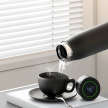

Air travel comes with a long list of questions, but "Can you bring a water bottle on an airplane?" is one that almost every traveler eventually asks. It may seem like a small detail, but it can make a big difference in how comfortable you are and how eco-friendly your trip is. Airports have strict rules, long security lines, and a dry cabin environment at 35,000 feet. People want clarity and a way to avoid buying expensive bottled water in the terminal.
If you've ever been at security with a half-full bottle and wondered what to do, this guide will help. It has simple explanations, practical tips, and real traveler scenarios.
Why This Question Matters More Than You Think
Travelers care about bringing a water bottle for three big reasons:
1. Hydration
Airplane cabins are often dry, and it's easy to feel dehydrated during or after a long flight. It's more convenient to have your own bottle.
2. Cost & Convenience
Buying water at the airport can cost a lot. Many people prefer carrying their own bottle and filling it at the airport's drinking fountains or hydration stations.
3. Sustainability
More travelers are choosing to use reusable bottles instead of single-use plastic bottles. Bringing your own bottle is good for the environment and makes sense.
So the question isn't just about rules. It's also about comfort, health, budget, and lifestyle.
The Short Answer: Yes, You Can Bring a Water Bottle—But It Must Be Empty
Airports don't restrict water bottles; they restrict liquids.
Security agencies like the TSA have strict rules about liquids over 3.4 ounces (100 ml). That's why you have to take any bottle out of your carry-on when you go through security. This goes for all types of bottles: metal, plastic, insulated, or collapsible.
After you pass through security, you can fill it up again.
What Kind of Water Bottle Can You Bring?
Reusable Bottles
Virtually all types are allowed:
- Stainless steel bottles
- Insulated vacuum bottles
- BPA-free plastic bottles
- Collapsible silicone bottles
- Filter bottles (Brita, Lifestraw, etc.)
- Smart bottles with hydration tracking
As long as they’re empty, you won’t run into issues.
Disposable Bottles
You can bring an empty disposable plastic bottle too. Some travelers even reuse a small commercial bottle for short-term trips.
Smart Water Bottles
Most people are allowed through security. Bottles with electronics, like UV purifiers or tracking sensors, can be checked on their own, but the agents that screen them are used to them.
How to Get Your Bottle Through Security Smoothly
Before You Reach the Checkpoint
- Empty your bottle completely—even a few drops can slow you down.
- Open the lid to make it visually clear that it contains no liquid.
- If you forgot to empty it earlier, most airports have dumping stations right before the scanners.
At the Security Line
Depending on the airport:
- You may need to place the bottle in a bin.
- Or you can leave it inside your carry-on.
- If you’re traveling with kids, remember that their bottles need to be empty too.
Security officers may quickly glance inside or shake the bottle, but the process is simple as long as it’s empty.
After Security
This is where your bottle becomes useful.
Modern airports have places where you can fill up your water bottle. You won't have to pay airport prices and you can drink water when you want.
What About Airports With Extra Screening? (Important for International Travelers)
Some destinations add a secondary liquid screening, often right at the gate. This tends to happen on:
- Flights to the U.S.
- Flights into certain European hubs
- Flights in regions with heightened security
- Gates serving long-haul international flights
How to Handle Secondary Screening
- Keep your bottle easily accessible.
- Make sure it stays empty until after the final check.
- Don’t board with drinks purchased earlier, they might be taken away.
Some airports even confiscate drinks bought inside the terminal, which surprises many travelers.
If there’s a hydration station inside the gate area, you can fill up afterward. If not, you may have to refill once you’re onboard—most flight attendants are happy to help.
What Else Can You Bring? (According to TSA Guidelines)
Travelers often wonder about more than just water bottles. Common items you can bring include:
- Powdered drink mixes
- Tea bags or instant coffee
- Empty thermoses
- Solid snacks
- Baby formula (with exceptions for liquids)
You can check what you can and can't bring by visiting your local airport security office's website—like the TSA in the United States—to see what's allowed and what isn't.
Here is TSA website about "What Can I Bring": https://www.tsa.gov/travel/security-screening/whatcanibring/all
Common Mistakes Travelers Make (And How to Avoid Them)
Even though the rule is simple, travelers still run into problems—usually because of small oversights.
1. Forgetting to Empty the Bottle
The most common issue.
Tip: Empty it before leaving home, or do it as soon as you arrive at the airport.
2. Carrying It Upright to “Hide” the Liquid
Security scanners can detect liquids from any angle. A few drops won't cause problems, but you will have an issue if see any liquid.
3. Filling Up Too Early
If there’s secondary screening at the gate, your freshly filled bottle might be dumped.
Always check for signs or ask gate staff.
4. Bringing Bottles With Non-Removable Batteries
It's rare, but some smart bottles have sealed battery units. These may need more screening. Removable batteries are easier to manage.
5. Thinking Cabin Rules and Security Rules Are the Same
After you board, you can drink and refill your bottle as much as you want. There are rules that apply before you board the plane, not during the flight.
Practical Tips for Stress-Free Travel With a Water Bottle
Choose the Right Bottle
For travel, a collapsible or lightweight bottle is ideal. Insulated bottles are great for keeping water cold, but they’re heavier.
Keep Your Bottle in an Accessible Pocket
Especially if you expect secondary screening. Digging into your bag with dozens of people behind you can be awkward.
Know Your Airport Layout
Some airports—like Changi, LAX, and Heathrow—have hydration stations in specific spots. Checking in advance saves time.
Ask Crew Members for Refills on the Plane
Most flight attendants appreciate when travelers bring their own bottle because it reduces cup use.
Stay Hydrated During the Flight
Drink regularly during long-hauls. The dry cabin air can leave you tired or headachy after landing.
A Traveler’s Scenario: The Ideal Routine
Here’s a simple routine many frequent flyers follow:
- Arrive with an empty bottle in the side pocket of your backpack.
- Go through security without stress.
- Fill the bottle at a hydration station near your gate.
- Check for extra screening at the gate—if required, empty again.
- Refill on the plane or buy a water bottle if no hydration point is available after the last check.
- Stay hydrated through the journey without spending $5 on water.
This routine works in nearly every airport worldwide.
Conclusion
So yes, you can absolutely bring a water bottle on an airplane. The key is simple: it needs to be empty when you go through security. After that, you can refill it, stay hydrated, save money, and travel more sustainably.
It may seem like a small thing, but it can make a big difference. No matter if you're going on a short trip nearby or a long trip far away, having your own bottle makes your trip better.
About the Creator
Mountopwaterbottle
Join us in our mission to make hydration both safe and eco-friendly. Stay hydrated, stay healthy, and make a difference with Mountop.
My site: https://mountopbottle.com
Keep reading
More stories from Mountopwaterbottle and writers in Lifehack and other communities.
How Many Bottles of Water Should You Drink a Day?
Most people have heard the classic advice: "Drink eight glasses of water a day." While it sounds simple, it’s not very helpful. Glass sizes vary, people sweat differently, and a busy summer day is nothing like a lazy winter afternoon. The real question becomes how to understand what your body actually needs and translate that into something practical, such as how many bottles of water you should finish in a day.
By Mountopwaterbottle2 months ago in Lifehack
Absolutely 100% Free Stuff With No Shipping Costs
In a world where everything seems to come with a price tag—including “free” offers that sneak in unexpected shipping fees—it can feel impossible to get truly free items. But with the right strategies, resources, and platforms, it is completely possible to score legitimate, 100% free stuff with no shipping costs or hidden charges. Whether you're looking to save money, reduce waste, or simply love the thrill of discovering freebies, this guide will walk you through the best ways to find authentic no-cost items online and in your local community.
By Master Binz5 days ago in Lifehack
Complete Guide to Wi-Fi Password Recovery & Protection
Understanding Wi-Fi Security Forgetting your Wi-Fi password is a common frustration in our connected world. This comprehensive guide explores legitimate methods to recover lost Wi-Fi credentials while emphasizing network security best practices. Whether you're a homeowner locked out of your network or an IT professional assisting users, this article provides ethical solutions while reinforcing the importance of protecting wireless networks from unauthorized access.
By Alexander Hoffmann3 days ago in Lifehack


Comments
There are no comments for this story
Be the first to respond and start the conversation.