
How Belgium Faces Climate Change: Government Response and Climate Policy in Action
Climate Change in Belgium
Belgium, a densely populated and highly developed European country, is facing an increasing number of challenges linked to climate change. From devastating floods and prolonged heatwaves to changing precipitation patterns and risks to biodiversity, the country has been forced to reassess its approach to environmental sustainability and climate action. While Belgium contributes a relatively small share to global greenhouse gas emissions, its vulnerability to climate impacts—especially flooding and extreme heat—places it at the forefront of Europe’s adaptation and mitigation efforts.
The Belgian government has taken several steps to address the growing climate crisis, aligning its national policies with international commitments like the Paris Agreement and the European Green Deal. These measures span multiple sectors: energy, transport, agriculture, urban planning, and beyond. However, given Belgium’s complex political structure and regional governance, implementing coherent and effective climate strategies requires coordination among federal, regional, and local authorities.
This article explores how climate change is affecting Belgium, the policies currently in place, the challenges ahead, and how institutions and individuals are working to create a more sustainable future.
You can find the original article here: https://welcomebelgium.icu/government-bodies/climate-change-belgium/
The Climate Challenges Belgium Faces
Belgium has witnessed a range of climate-related impacts over the past decade:
- Floods: The 2021 floods in Wallonia were a stark reminder of the danger extreme weather events pose. Dozens of lives were lost, and the financial damage exceeded €2 billion.
- Heatwaves: Rising temperatures and more frequent heatwaves have become a health risk, particularly in cities.
- Changing seasons: Altered rainfall patterns are affecting agriculture and water management.
- Biodiversity loss: Warmer temperatures and changing habitats threaten local ecosystems.
Institutional Framework
Belgium’s climate governance is split among different levels of government:
- Federal Government: Oversees national coordination, international representation, and general legislative framework.
- Flemish, Walloon, and Brussels-Capital Regions: Responsible for implementing climate policy in domains such as energy, transport, and agriculture.
The National Climate Commission ensures coordination between regions and federal authorities. Despite this, fragmentation often slows down decision-making.
National and Regional Climate Plans
Each Belgian region has adopted a detailed climate plan:
- Flanders Climate Policy Plan (2021–2030): Focuses on reducing emissions and supporting innovation in energy efficiency.
- Walloon Climate and Energy Plan: Includes goals for decarbonization and investments in renewable energy.
- Brussels Regional Climate Plan: Prioritizes sustainable urban development, retrofitting buildings, and reducing car dependency.
All three plans aim to meet Belgium’s 2030 climate target: reducing greenhouse gas emissions by 47% compared to 2005 levels.
Key Strategies and Goals
To achieve its climate goals, Belgium employs the following strategies:
- Carbon pricing: Emission allowances and energy taxes.
- Renewable energy expansion: Offshore wind farms, solar panel subsidies.
- Energy efficiency: Renovation wave for homes and public buildings.
- Greener transport: Support for public transportation, cycling infrastructure, and electric vehicles.
The long-term goal is to reach net-zero greenhouse gas emissions by 2050, in line with EU ambitions.
Climate Adaptation Measures
Mitigation isn’t enough. Belgium also focuses on adaptation:
- Flood prevention: River management, natural buffers, improved sewage systems.
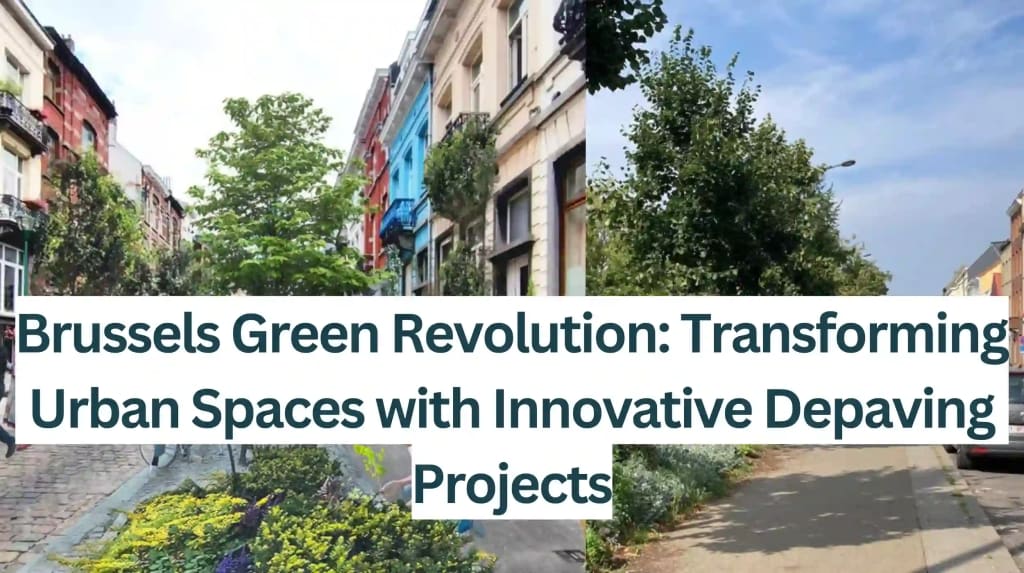
- Urban heat adaptation: More green spaces, reflective surfaces, and heat warning systems.
- Water management: Efficient use, storage, and recycling.
These initiatives aim to reduce vulnerability and protect infrastructure, ecosystems, and public health.
International Commitments
Belgium is a party to several global agreements:
- Paris Agreement: Commitments to limit global temperature rise to below 2°C.
- EU Climate Law: Aligning with EU’s 2030 and 2050 targets.
- UN Sustainable Development Goals: Climate action is a key pillar.
Participation in these frameworks keeps Belgium accountable and engaged in collective solutions.
Challenges to Implementation
Despite progress, Belgium faces several hurdles:
- Institutional fragmentation: Coordination among regions can delay initiatives.
- Public resistance: Certain measures, like energy taxes or low-emission zones, face opposition.
- Funding gaps: Not all plans are fully financed or economically viable yet.
- Technological barriers: Transitioning to low-carbon technologies requires significant investment.
Public Awareness and Engagement
Belgium has made efforts to involve citizens:
- Climate assemblies and consultations: Public forums to influence policy.
- Educational programs: School curriculums now include environmental education.
- Incentive programs: Grants for home insulation, electric vehicle purchases, and solar panels.
Raising awareness ensures that individuals can contribute meaningfully to the climate transition.
The Role of Civil Society
NGOs and grassroots movements have pushed for greater climate ambition. Organizations like Climate Express, Greenpeace Belgium, and Extinction Rebellion Belgium play a vital role in shaping public discourse and policy.
Their campaigns range from legal actions against government inaction to organizing climate marches and promoting lifestyle changes.
Future Outlook
Belgium is not immune to the accelerating climate crisis, but it has the tools and partnerships to address it. Continued collaboration between government, businesses, scientists, and citizens is essential. The journey toward carbon neutrality will not be easy, but with persistent effort, adaptation, and innovation, it remains within reach.
Learn more about Belgium’s climate response at https://welcomebelgium.icu.
About the Creator
Keep reading
More stories from Ретро Мания and writers in Earth and other communities.
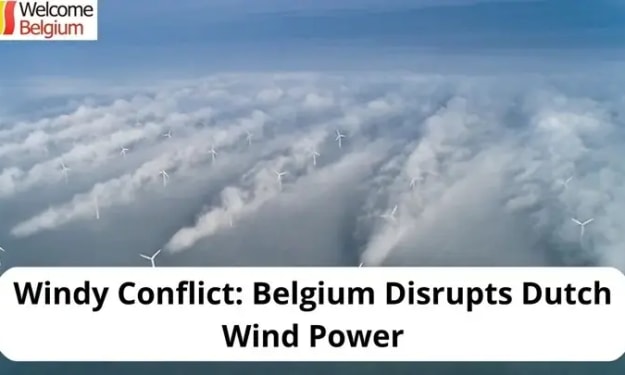
Belgium’s Wind Turbine Controversy: A Perfect Storm of Politics, Power, and Priorities
What began as a technical proposal to expand Belgium’s offshore wind energy capacity has quickly evolved into a political maelstrom, exposing fault lines not only between regional and federal governments, but also between environmental goals and local interests. In a country where compromise is the norm and political complexity is baked into the system, this wind turbine debate is shaping up to be one of the most divisive green energy issues in recent memory.
By Ретро Мания10 months ago in Earth
Harmful Effects of the Environment
The environment is the natural world around us. It includes air, water, land, plants, animals, and all living and non-living things that support life on Earth. A healthy environment is very important for the survival and well-being of humans, animals, and plants. However, in recent years, the environment has been facing serious harm due to human activities. Pollution, deforestation, and climate change are some of the major environmental problems that are affecting the world today. These harmful effects are not only damaging nature but also creating serious challenges for human life.
By aadam khanabout 5 hours ago in Earth
Top tipple tricks
Been thinking a lot about drinking, lately. Not least because of a recent episode of over-indulgence and the inevitable after effects. Some readers may recall the earlier articles I wrote about beating the booze. Here I set out an experiment in techniques for cutting down on my alcohol intake. The experiment was successful, the techniques worked, and I have armed myself with an arsenal of weapons in the war against the demon drink. I have yet to fire the first round however. It's all a question of timing (perhaps procrastination).
By Raymond G. Taylor6 days ago in Psyche



Comments
There are no comments for this story
Be the first to respond and start the conversation.