

I. Introduction
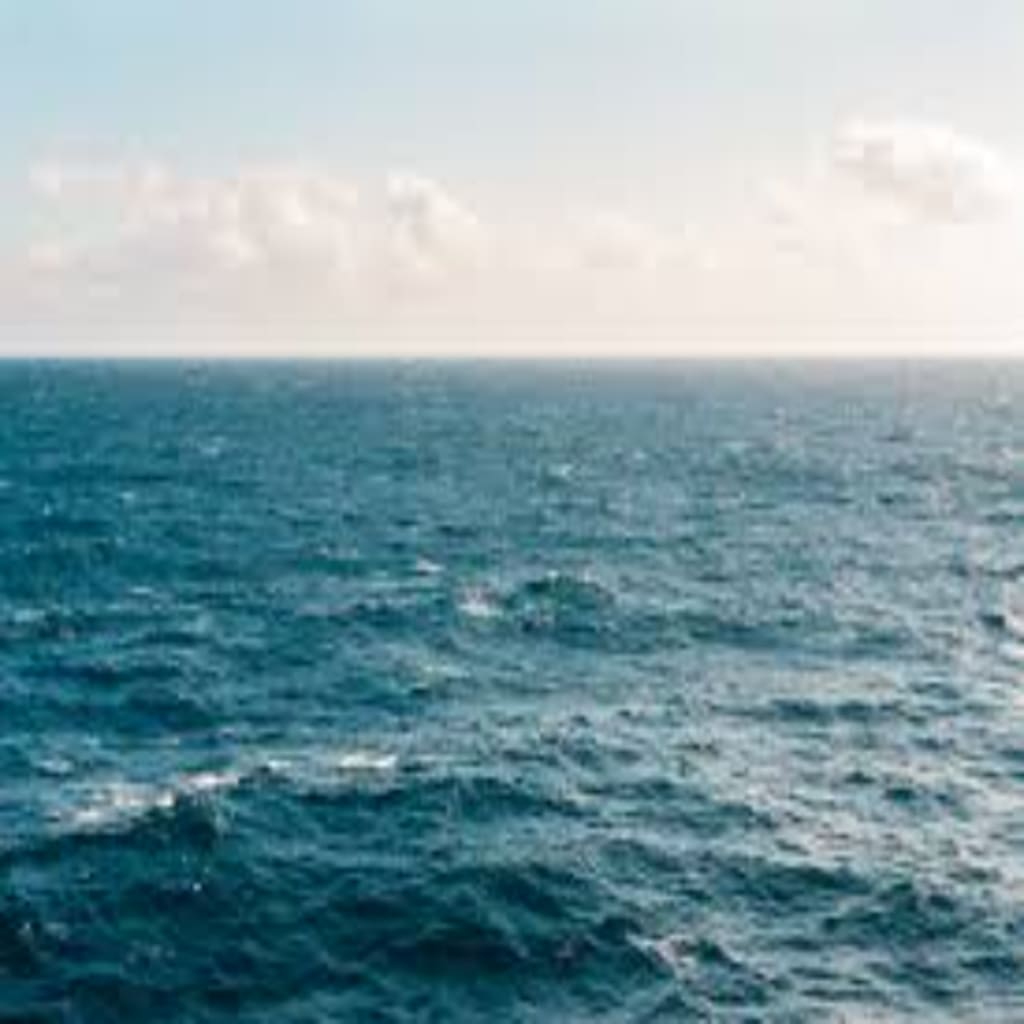
Definition of the sea: The sea, also known as the ocean, is the large body of saltwater that covers 71% of the Earth's surface. It is a complex and diverse ecosystem that supports a wide range of marine organisms and plays a critical role in regulating the Earth's climate and weather patterns.
Importance of the sea in the earth's ecosystem: The sea is home to a vast array of marine life, including fish, mammals, birds, and plants. These organisms form the base of the marine food web and support a wide range of other species that depend on them for survival. The sea also plays a critical role in regulating the Earth's climate and weather patterns by absorbing carbon dioxide and other greenhouse gases, which helps to mitigate the effects of global warming. Additionally, the sea is an important source of food and livelihoods for many people around the world, providing jobs in fishing and tourism, among others.
II. Physical Characteristics of the sea
Salinity: The sea has a high salt content, which is measured in parts per thousand (ppt). The average salinity of the sea is around 35 ppt, but it can vary depending on location and other factors such as evaporation and freshwater input. High salinity areas are found in the tropics and low salinity areas are found in the polar regions.
Temperature: The temperature of the sea can vary greatly depending on location and depth. The surface waters of the sea are generally warmer in the tropics and colder in the polar regions. The deep waters of the sea, on the other hand, are relatively constant in temperature, typically around 4 degrees Celsius.
Currents: The sea is in constant motion, driven by a variety of factors including wind, tides, and the rotation of the Earth. These motions create a complex system of currents that can have a major impact on the climate and weather patterns of the Earth.
Tides: The tides are caused by the gravitational pull of the Moon and the Sun on the Earth's oceans. The tides have a regular cycle of about 12 hours and 25 minutes between high and low tide.
III. Marine Life
Diversity of marine organisms: The sea is home to a vast array of marine organisms, including fish, mammals, birds, and plants. These organisms form the base of the marine food web and support a wide range of other species that depend on them for survival. Marine organisms can be found in a wide range of habitats, including coral reefs, kelp forests, and deep-sea hydrothermal vents.
Importance of marine life to the ecosystem: Marine organisms play a critical role in maintaining the balance of the marine ecosystem by forming the base of the marine food web. They also play an important role in regulating the Earth's climate and weather patterns by absorbing carbon dioxide and other greenhouse gases. Additionally, marine organisms are an important source of food and livelihoods for many people around the world, providing jobs in fishing and tourism, among others.
IV. Human Impact on the sea
Pollution: Human activities such as industrialization, urbanization, and agriculture have led to an increase in pollution in the sea. This includes the release of chemicals, plastics, and other pollutants into the sea, which can harm marine life and disrupt the delicate balance of the marine ecosystem.
Overfishing: Overfishing is a major problem in many parts of the world, where fish stocks are being depleted at an alarming rate. This can lead to a decline in the population of certain fish species and disrupt the marine food web.
V. Conservation and Management of the sea
Marine protected areas: Marine protected areas (MPAs) are designated areas of the sea that are protected and managed to conserve marine life and habitats. They can include no-take zones, where fishing and other extractive activities are prohibited, as well as areas where certain activities are restricted or regulated. MPAs can be effective in protecting marine life and habitats, and can help to restore fish stocks and other marine resources.
Regulations on fishing and pollution: Governments and international organizations have implemented a range of regulations and policies to protect the sea and its resources. These include restrictions on fishing, pollution control measures, and measures to protect endangered species. The United Nations Convention on the Law of the Sea (UNCLOS) is an international treaty that governs the use and conservation of the sea and its resources.
Efforts to restore and preserve marine life populations: There are many efforts underway to restore and preserve marine life populations, such as the creation of marine protected areas, the implementation of sustainable fishing practices, and the removal of marine debris. Efforts to reduce pollution, including plastic pollution, can also help to protect marine life. Restoration of mangrove, seagrass and coral reefs habitats are also important in preserving marine life.
VI. Conclusion
The sea plays a critical role in maintaining the earth's ecosystem and it is important for humans to take steps to protect and preserve it for future generations. The sea supports a wide range of marine organisms and plays a critical role in regulating the Earth's climate and weather patterns. However, human activities such as pollution, overfishing, and climate change are putting the sea and its resources at risk. Conservation and management measures, such as marine protected areas, regulations on fishing and pollution, and efforts to restore and preserve marine life populations, are essential to protect the sea and its resources for future generations.
About the Creator
Keep reading
More stories from Giridharan and writers in Earth and other communities.
History of Mars
I. Overview of Mars A. Physical characteristics Mars is the fourth planet from the sun in our solar system and is often referred to as the "Red Planet" due to its reddish appearance. Mars has a diameter of about 6,779 km, making it slightly smaller than Earth. It has a thin atmosphere composed mostly of carbon dioxide, and its surface features include the largest volcano in the solar system, Olympus Mons, and the longest canyon in the solar system, Valles Marineris. Mars also has polar ice caps composed of water and carbon dioxide.
By Giridharan3 years ago in Earth
President Trump Calls Putin to Discuss Ending the Wars in Iran and Ukraine
Introduction In a significant diplomatic move, U.S. President Donald Trump recently held a phone conversation with Russian President Vladimir Putin to discuss ongoing conflicts in the Middle East and Eastern Europe. The call focused on the war involving Iran and the prolonged Russia-Ukraine conflict, both of which have raised global concerns about stability, security, and economic consequences. The conversation highlights growing international pressure to find peaceful solutions to these major conflicts.
By shaoor afridi3 days ago in Earth
Early March 2026: 4 Goals Accomplished
It's early March and I've now accomplished my 4th writing goal for the year of 2026. Before diving into the behind-the-scenes of it... why not tell you up front what that accomplishment was? I was published in a 2nd publication for this year. Published in Helix Literary Magazine out of Central Connecticut State University. You can read it for free right now!
By Stephen Kramer Avitabile7 days ago in Writers



Comments
There are no comments for this story
Be the first to respond and start the conversation.