
Here's Why This Special Animal Is Thought to Be Eternal
Jellyfish

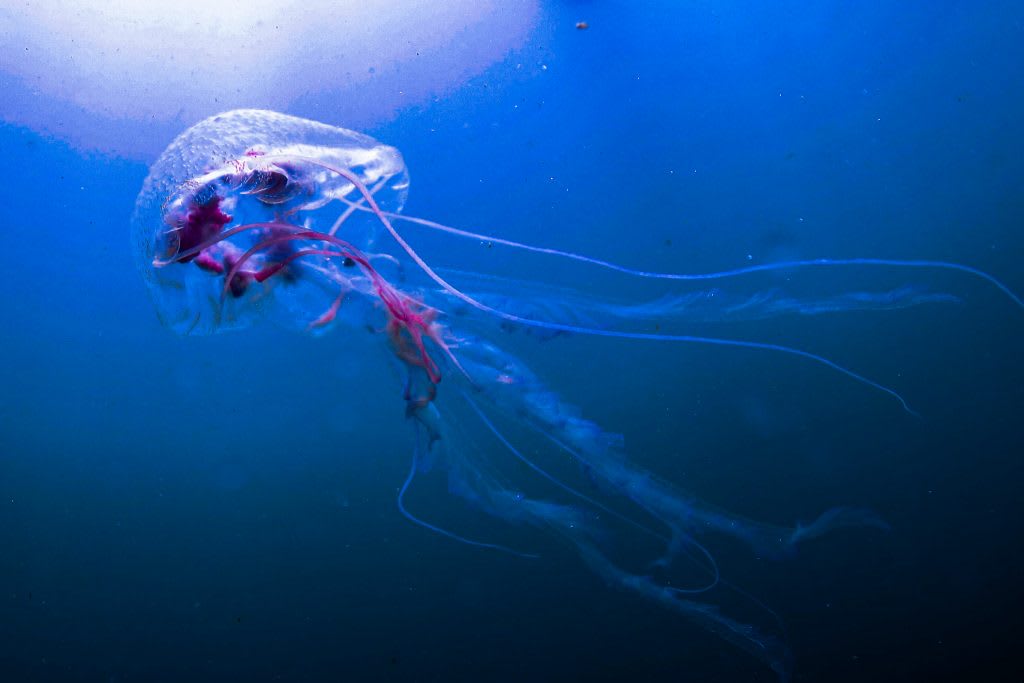
In the vast tapestry of life on Earth, few creatures capture the imagination quite like the Turritopsis dohrnii, also known as the "immortal jellyfish." This fascinating organism has gained global attention for its seemingly miraculous ability to escape death under specific conditions. While most living beings are bound by the natural life cycle of birth, aging, and eventual death, this tiny jellyfish possesses a unique ability to revert to an earlier stage of its development. This process, often referred to as "biological immortality," raises profound questions about aging, evolution, and even the possibility of extending human life.
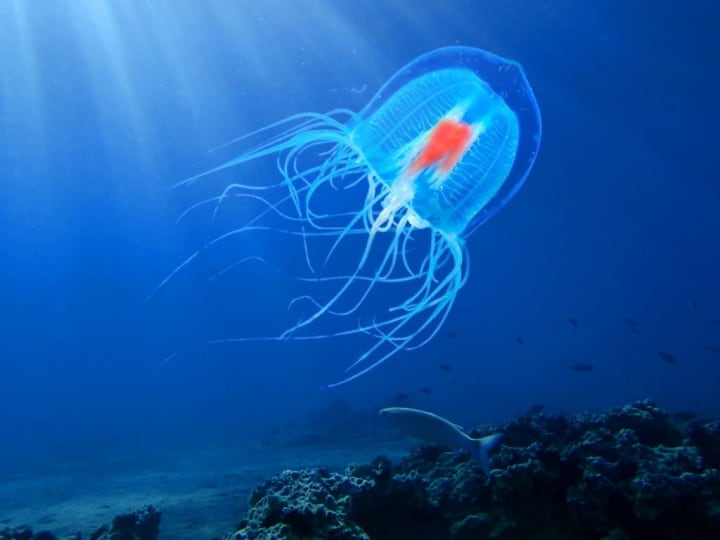
So, what exactly makes Turritopsis dohrnii immortal? How does this extraordinary creature achieve what scientists have long thought to be impossible? And what can humans learn from its incredible life cycle? Let’s dive deep into the world of this enigmatic jellyfish and explore the science behind its immortality.
The Basics of Turritopsis dohrnii
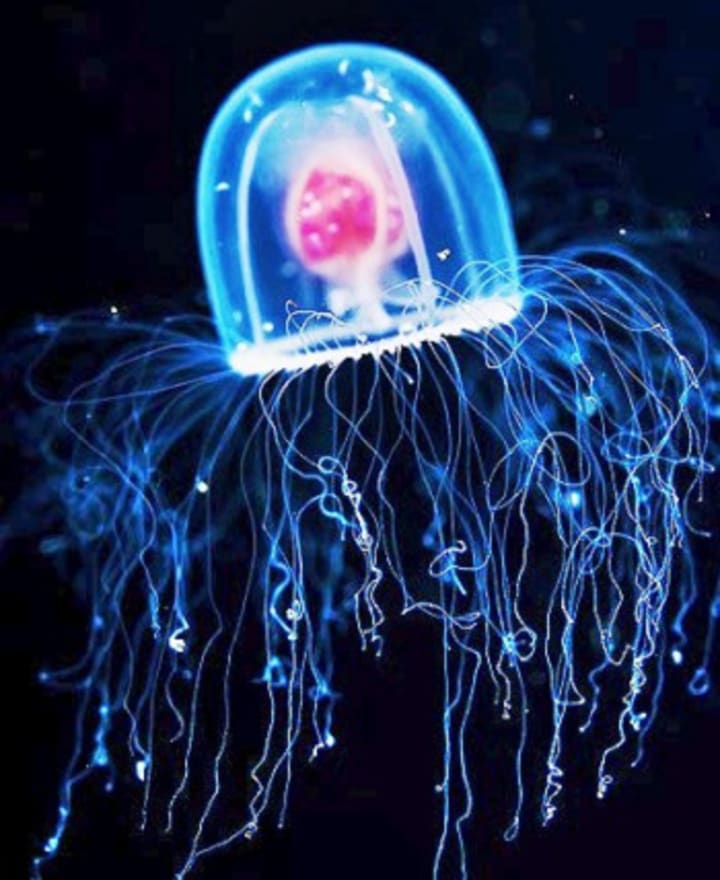
Turritopsis dohrnii is a small species of jellyfish, typically measuring no more than 4.5 millimeters in diameter—about the size of a fingernail. Native to the warm waters of the Mediterranean Sea and Japan, it has now spread to oceans around the globe, hitching rides in the ballast water of ships. Despite its diminutive size and unassuming appearance, Turritopsis dohrnii harbors one of nature’s most extraordinary secrets: the ability to cheat death.
Like most jellyfish, Turritopsis dohrnii has a life cycle consisting of two main stages: the polyp stage and the medusa stage. During the polyp stage, the jellyfish exists as a colony of tiny, tube-like structures anchored to the ocean floor. When environmental conditions are favorable, the polyps give rise to free-swimming medusae, the adult form of the jellyfish.
For most jellyfish, the medusa stage marks the end of their life cycle. Once they reach adulthood, they reproduce and eventually die. However, Turritopsis dohrnii has a remarkable escape hatch: when faced with adverse conditions—such as physical injury, starvation, or environmental stress—it can revert to its juvenile polyp stage. This process, known as transdifferentiation, essentially resets the jellyfish’s biological clock, allowing it to start its life cycle anew.
The Science Behind Immortality
The key to Turritopsis dohrnii's immortality lies in its ability to perform transdifferentiation. This biological process involves the transformation of one type of cell into another, enabling the jellyfish to completely reorganize its body and revert to an earlier developmental stage.
Under normal circumstances, cells in most organisms follow a one-way path of differentiation. For example, stem cells in humans can differentiate into specific cell types—such as muscle cells, nerve cells, or skin cells—but once they’ve specialized, they cannot revert to their original state. In Turritopsis dohrnii, however, cells retain the ability to reverse their differentiation.
During transdifferentiation, the medusa’s cells reprogram themselves to become polyp cells, essentially erasing the jellyfish’s adult form and starting over from scratch. This process not only allows the jellyfish to survive otherwise fatal conditions but also gives it the potential to repeat its life cycle indefinitely, barring predation or disease.
How “Immortal” Is Immortal?
While the term "immortal jellyfish" captures the public’s imagination, it’s important to note that Turritopsis dohrnii is not truly immortal in the sense of being invulnerable to death. The jellyfish is still susceptible to predation, disease, and environmental hazards. In the wild, its small size and lack of defenses make it an easy target for larger marine animals.
Moreover, the process of transdifferentiation requires significant energy and favorable environmental conditions. If the jellyfish is too weak or severely injured, it may not have the resources to revert to its polyp stage and will die like any other organism.
That said, the potential for biological immortality—however conditional it may be—sets Turritopsis dohrnii apart from virtually all other known species.
Implications for Aging and Medicine
The discovery of Turritopsis dohrnii's unique life cycle has sparked considerable interest in the scientific community, particularly among researchers studying aging and regenerative medicine. If we can understand the molecular mechanisms underlying transdifferentiation, it may open the door to revolutionary advances in human health.
For example, insights from Turritopsis dohrnii could help scientists develop new treatments for degenerative diseases, such as Alzheimer’s and Parkinson’s, by enabling damaged or aging cells to regenerate. It could also inform research into stem cells, which play a crucial role in tissue repair and regeneration.
Some researchers have even speculated about the possibility of extending human lifespan by harnessing the principles of transdifferentiation. While the idea of biological immortality for humans remains firmly in the realm of science fiction, the study of Turritopsis dohrnii provides a fascinating glimpse into what might one day be possible.
Ethical and Environmental Considerations
As with any scientific breakthrough, the study of Turritopsis dohrnii raises important ethical and environmental questions. For instance, if scientists were to unlock the secrets of immortality, who would have access to such technology? Would it exacerbate existing inequalities, or could it be used to benefit humanity as a whole?
There are also potential risks associated with tampering with natural life cycles. Introducing organisms with altered life spans into the environment could have unforeseen ecological consequences, disrupting food chains and ecosystems.
Moreover, the prospect of extended human lifespans raises philosophical questions about the nature of life and death. Would immortality diminish the value of life, or would it provide unprecedented opportunities for growth and discovery?
A Window into Nature’s Wonders
Beyond its implications for science and medicine, the story of Turritopsis dohrnii serves as a reminder of the incredible diversity and ingenuity of life on Earth. This tiny jellyfish, with its seemingly magical ability to cheat death, challenges our understanding of biology and invites us to look more closely at the natural world.
While humans may never achieve immortality, the study of organisms like Turritopsis dohrnii underscores the importance of preserving and exploring our planet’s ecosystems. Who knows what other secrets nature might hold, waiting to be discovered?
Conclusion
The immortal jellyfish, Turritopsis dohrnii, is a marvel of evolution, capable of defying one of the most fundamental laws of biology: the inevitability of death. Through the process of transdifferentiation, this remarkable creature can reset its life cycle and potentially live forever, provided it escapes predation and disease.
While its immortality is not absolute, Turritopsis dohrnii offers profound insights into the nature of aging, regeneration, and survival. Its story not only expands our understanding of the natural world but also holds promise for future scientific and medical advancements.
In a world full of fleeting moments, the immortal jellyfish serves as a symbol of resilience and the enduring mysteries of life. Whether viewed as a scientific curiosity or a metaphor for renewal, it reminds us that nature’s ingenuity knows no bounds.
About the Creator
Keep reading
More stories from Mohammed thanvir and writers in Earth and other communities.
El Niño is likely to return in 2026. Here's what that means for Houston and Texas.
La Niña has been active since mid-October. However, according to the January update from the National Oceanic and Atmospheric Administration, it’s likely to end over the next couple of months, and a transition to El Niño is likely to occur later this year.
By Dena Falken Esq2 days ago in Earth
Icy Chaos in Central and Eastern Europe
Winter has unleashed its fury across central and eastern Europe, leaving travelers frustrated and transport networks struggling to keep up. Over the past few days, freezing rain and ice have wreaked havoc on airports, train stations, and highways — forcing flight diversions, delaying trains, and making roads treacherously slippery. From Vienna to Budapest, Prague to Bratislava, this icy grip has brought travel to a near standstill. Let’s take a closer look at what’s happening, how it’s affecting people on the move, and what it tells us about winter travel in Europe. A Sudden Winter Blow A sudden wave of freezing rain swept across the region, coating runways, rail tracks, and roads with a dangerous layer of ice. Major airports in Austria, Hungary, Slovakia, and the Czech Republic were particularly affected. At Vienna International Airport, operations were temporarily suspended when runways became too slick for flights to land safely. Travelers already in the air had to divert to alternative airports in Munich, Frankfurt, and Venice. Meanwhile, Budapest’s Ferenc Liszt International Airport paused all arrivals and departures, and Prague’s Václav Havel Airport continued operating but at limited capacity. Trains Crawling Through Ice Rail networks weren’t spared. Across Austria, Hungary, and the Czech Republic, ice on tracks and power lines caused delays and cancellations. Austria’s national rail operator, ÖBB, urged passengers to postpone non-essential journeys. In the Czech Republic, travelers at Prague’s main station faced long waits as trains struggled to maintain schedules. Hungary’s tram and suburban rail services were temporarily suspended due to ice buildup on power lines. This combination of black ice, frozen switches, and heavy snowfall has tested the limits of winter infrastructure in Europe. Roads Turn Into Skating Rinks The icy weather didn’t just affect public transport — roads became treacherous, too. Authorities in Slovakia and the Czech Republic warned residents to avoid non-essential travel as highways turned into slippery skating rinks. Accidents and minor collisions were reported, and emergency services were busy responding to dozens of injuries from slips and falls. Even schools weren’t immune: parts of Romania shifted to online learning, keeping children safe during the extreme temperatures, which dropped to around -13°C in some areas. Why This Weather Is So Disruptive Meteorologists point to several factors that made this storm particularly severe: Freezing rain on top of existing snow creates an icy layer that’s extremely hard to clear. Rapidly refreezing surfaces make conditions unpredictable. Temperatures hovering around freezing prevent efficient melting during the day. This “perfect storm” scenario underscores just how vulnerable transport systems are to extreme weather. Even well-prepared airports and rail networks can struggle when weather transitions from snow to freezing rain. Voices From the Ground Passengers took to social media to express their frustration: Crowded airports as travelers scrambled to rebook flights. Train stations packed with delayed commuters, unsure when the next train would depart. Warming centers opened to provide shelter and hot drinks for stranded travelers. For many, a simple trip turned into a test of patience and resilience. Tips for Traveling in Freezing Conditions If you must travel during winter storms, experts recommend: Check flight and train schedules regularly, as delays can change quickly. Allow extra time for travel to avoid missing connections. Consider travel insurance that covers weather-related disruptions. If driving, carry winter essentials: blankets, food, water, and check road conditions before departure. Most importantly, prioritize safety over schedules — icy conditions can change rapidly, making travel risky. A Reminder From Winter This recent chaos in central and eastern Europe serves as a stark reminder of how interconnected transport systems are, and how vulnerable they can be to extreme weather. Flights grounded, trains stalled, and highways turned icy show that winter can bring travel to a halt — sometimes with very little warning. As Europe continues to face volatile winter conditions, travelers and authorities alike are reminded: preparation and flexibility are key. Sometimes, the weather truly has the final say. ❄️🛫🚆
By Muhammad Hassan3 days ago in Earth


Comments
There are no comments for this story
Be the first to respond and start the conversation.