
Here’s What the Fed’s Highly Anticipated Rate Decision This Week Means for Bitcoin and the Dollar
Why the Federal Reserve’s Decision Matters So Much

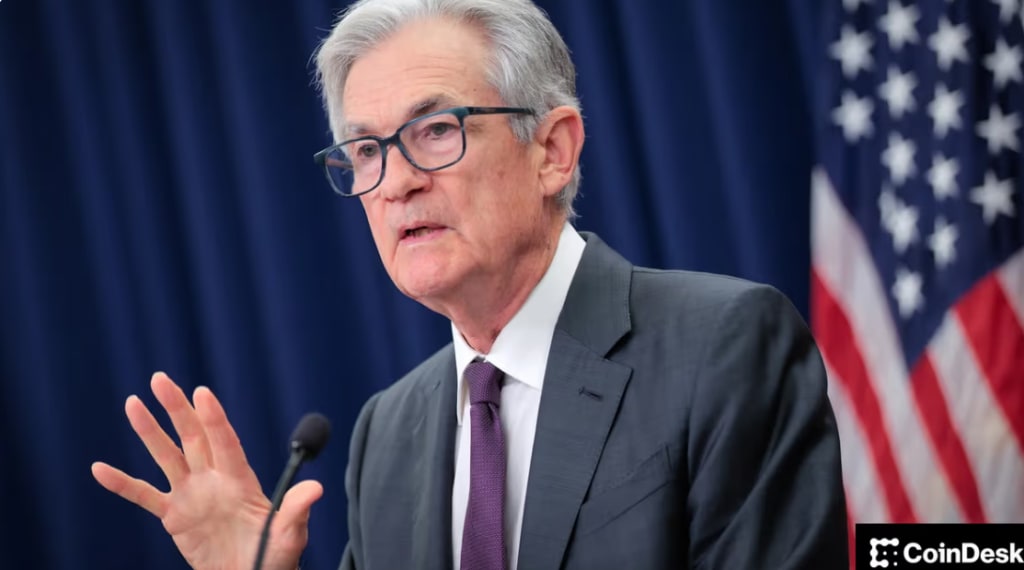
Every time the U.S. Federal Reserve meets to decide interest rates, global markets hold their breath. Stocks, bonds, currencies, and increasingly cryptocurrencies react almost instantly to the Fed’s signals. This week’s highly anticipated rate decision is no different, especially for two assets that often move in opposite directions: Bitcoin and the U.S. dollar.
At its core, the Fed’s interest rate policy determines how expensive or cheap money is. When rates rise, borrowing becomes costlier and investors often shift toward safer assets. When rates fall, risk appetite increases, benefiting assets like stocks and cryptocurrencies. Understanding this relationship helps explain why Bitcoin traders and currency markets are watching the Fed so closely.
A Quick Refresher: What Is the Fed Deciding?
The Federal Reserve uses interest rates as a tool to manage inflation and economic growth. By raising rates, it aims to cool inflation by slowing spending. By cutting rates, it encourages borrowing and investment during economic slowdowns.
This week’s decision comes at a delicate moment. Inflation has cooled from its peak but remains a concern, while economic growth shows mixed signals. Markets are divided over whether the Fed will:
Hold rates steady
Signal future rate cuts
Maintain a “higher for longer” stance
Each of these outcomes carries different implications for Bitcoin and the dollar.
What the Decision Means for the U.S. Dollar
Interest Rates and Dollar Strength
The U.S. dollar tends to strengthen when interest rates rise or are expected to stay high. Higher rates attract global investors seeking better returns on dollar-denominated assets such as U.S. bonds. This increased demand pushes the dollar upward.
If the Fed keeps rates high or signals caution about cutting, the dollar is likely to remain strong. A strong dollar often pressures other currencies and commodities, making imports cheaper but exports less competitive.
If the Fed Turns Dovish
On the other hand, if the Fed hints at future rate cuts, the dollar could weaken. Lower interest rates reduce the appeal of holding dollars, especially compared to higher-yielding currencies or alternative assets.
A weaker dollar tends to support risk-on assets, including equities and cryptocurrencies. This is where Bitcoin enters the conversation.
What the Decision Means for Bitcoin
Bitcoin and Interest Rates: An Inverse Relationship
Bitcoin is often described as a “risk asset,” meaning it tends to perform better when financial conditions are loose and liquidity is abundant. When interest rates are low, investors are more willing to take risks, and capital flows into assets like Bitcoin.
If the Fed signals rate cuts or a softer policy stance, Bitcoin could benefit. Lower rates reduce the opportunity cost of holding non-yielding assets like Bitcoin, making it more attractive compared to cash or bonds.
High Rates Are a Headwind
If the Fed remains hawkish, Bitcoin may face short-term pressure. High interest rates strengthen the dollar and make safer investments more appealing. This environment can reduce speculative demand for cryptocurrencies.
However, Bitcoin’s reaction isn’t always immediate or predictable. While short-term moves often follow Fed announcements, long-term trends depend on broader adoption, regulation, and market confidence.
Bitcoin’s “Digital Gold” Narrative
One reason Bitcoin still draws attention during Fed decisions is its evolving role as a potential hedge. Supporters argue that Bitcoin protects against inflation and currency debasement, similar to gold.
When investors fear that central banks may eventually return to money-printing or prolonged low rates, Bitcoin’s fixed supply becomes attractive. If the Fed signals concern about economic growth or future easing, this narrative may strengthen Bitcoin’s appeal.
That said, Bitcoin has not yet consistently behaved like a traditional safe haven. It remains volatile and sensitive to broader market sentiment.
Short-Term Volatility vs. Long-Term Trends
Fed decisions often trigger sharp short-term moves in both Bitcoin and the dollar. Traders react to headlines, press conferences, and even subtle wording changes. These immediate reactions, however, don’t always reflect long-term direction.
For Bitcoin, long-term performance depends on:
Institutional adoption
Regulatory clarity
Technological development
Broader trust in traditional financial systems
For the dollar, long-term strength depends on U.S. economic performance, global demand for dollar-denominated assets, and monetary policy consistency.
What Investors Are Watching Closely
Beyond the rate decision itself, investors will analyze:
The Fed chair’s tone during the press conference
Updated economic projections
Language around inflation and labor markets
Even if rates remain unchanged, the Fed’s guidance can move markets significantly. A single phrase suggesting patience or concern can shift expectations—and prices.
Final Thoughts
This week’s Federal Reserve rate decision highlights the growing connection between traditional finance and digital assets. A strong dollar and high interest rates generally challenge Bitcoin, while easing financial conditions tend to support it.
Still, Bitcoin’s story is bigger than one Fed meeting. While short-term volatility is almost guaranteed, long-term trends depend on trust, adoption, and the evolving role of cryptocurrencies in the global economy.
For everyday investors, the key takeaway is perspective. Fed decisions matter, but reacting emotionally to every announcement can be costly. Understanding the broader forces at play helps navigate both the crypto market and traditional currencies more confidently.
About the Creator
Muhammad Hassan
Muhammad Hassan | Content writer with 2 years of experience crafting engaging articles on world news, current affairs, and trending topics. I simplify complex stories to keep readers informed and connected.
Keep reading
More stories from Muhammad Hassan and writers in Earth and other communities.
Trump Keeps Posting Private Messages on Truth Social
Former President Donald Trump has once again made headlines for an unusual reason: sharing private messages on Truth Social, the social media platform he founded. The posts, which reveal snippets of his personal and political communications, have sparked laughter, outrage, and renewed debates about the very nature of digital privacy. More importantly, this episode serves as a cautionary tale for everyone who uses work chats, messaging apps, or social platforms to communicate, proving that nothing online is truly private. Whether it’s WhatsApp, Slack, Teams, or private DMs, millions of people around the world use these tools daily, often assuming their conversations are confidential. Trump’s latest posts show just how risky that assumption can be — even for a former president. The Incident on Truth Social Over the past several weeks, Trump has posted screenshots of private conversations on Truth Social, including discussions that were originally intended for his aides, advisors, or campaign team. These posts include messages about political strategies, responses to media coverage, and even personal grievances. Observers quickly noticed that sharing these messages publicly exposes sensitive information that might otherwise have stayed private. While the former president’s followers seemed entertained or intrigued, the incident underscores an important principle: once a digital message exists, it can easily become public. Why Work Chats Aren’t Private Trump’s actions provide a high-profile example of a truth that affects everyone: work chats, even in corporate or political settings, are rarely private. Here’s why: Platforms Can Be Hacked No system is completely secure. Hackers can access private chats, whether on messaging apps, company networks, or social media platforms. Even messages thought to be encrypted can sometimes be breached. Company Policies and Oversight In many organizations, administrators have access to employee accounts, messages, and files. A “private” Slack or Teams conversation can often be monitored or archived for compliance purposes. Screenshots and Forwarding Even without technical hacks, messages can easily be shared with third parties. A single screenshot or forwarded text can turn a private conversation into public information in seconds. Social Media Amplification As Trump demonstrates, posting screenshots online spreads private content globally almost instantly. Once online, control over that information is lost. In short, privacy is never guaranteed in digital communication — whether you’re a political figure, a corporate employee, or just chatting with friends. Lessons From Trump’s Posts Trump’s public sharing of private messages offers several lessons: Assume everything can be seen: Even if a platform promises privacy, assume that your messages could eventually be exposed. Be careful with sensitive content: Strategy discussions, confidential plans, and personal opinions should be communicated cautiously. Understand platform limitations: Social media platforms are designed for sharing, not secrecy. Once you post or forward something, it’s out of your control. These lessons apply to businesses, governments, and individuals alike. Organizations have learned the hard way that leaked internal communications can lead to public scandals, reputational damage, and legal complications. Historical Context: Public Figures and Leaks Trump is not the first public figure to accidentally or intentionally make private communications public. Political scandals over the past two decades — from leaked emails to exposed text messages — have consistently highlighted the risks of digital messaging. For example: Hillary Clinton’s emails in the 2016 election became a national controversy, showing how digital communications can be scrutinized intensely. Corporate leaks, such as employee messages going viral, have damaged brands and led to resignations. The lesson: if you want something to stay private, avoid sending it digitally, because there’s always a chance it will surface. The Psychology Behind Sharing Private Messages Why do people share private messages publicly? Trump’s posts illustrate several possible motivations: Shaping the narrative: By posting private chats, he can highlight points that support his messaging or political agenda. Entertainment value: Followers may enjoy the behind-the-scenes glimpse into personal or political communications. Control over interpretation: Sharing messages allows the original sender to frame them in a way that aligns with their narrative. However, these benefits come at a cost: exposing sensitive content, alienating colleagues, and undermining trust. In the workplace, similar actions could lead to disciplinary measures or legal consequences. Digital Privacy in the Modern Era Trump’s Truth Social posts serve as a high-profile reminder that digital privacy is fragile. For the average user, the implications are clear: Use caution with work chat apps: Always assume your messages can be accessed or shared. Separate personal and professional communications: Sensitive work discussions are best held in secure, controlled environments. Limit screenshots and forwards: Once a message is captured, it can leave your control forever. Organizations, meanwhile, should educate employees about digital security and implement policies to protect both data and privacy. Conclusion: No Work Chat Is Truly Private Trump’s recent activity on Truth Social illustrates a simple truth: digital messages, whether personal or professional, are never completely private. Screenshots, hacks, forwarding, or platform design flaws can make sensitive information public in an instant. The lesson applies to everyone, from former presidents to corporate employees: treat digital communications as public by default, and be mindful of the content you share. In a world where private messages can become headlines, caution, discretion, and digital literacy are essential. In the end, Trump’s posts are entertaining for some, worrying for others, but they reinforce an enduring reality: if you don’t want the world to see it, don’t send it digitally.
By Muhammad Hassanabout 13 hours ago in Earth
Global Polyethylene Market Size and Forecast 2025–2033: Growth Driven by Packaging, Infrastructure, and Sustainable Innovation
Introduction Polyethylene, the world’s most widely produced plastic polymer, continues to play a crucial role in modern industrial and consumer economies. From food packaging and construction materials to agricultural films and automotive components, polyethylene is deeply embedded in everyday life. Its lightweight nature, durability, versatility, and cost-effectiveness make it indispensable across numerous industries.
By Marthan Sir7 days ago in Earth
US to Transfer Islamic State Prisoners from Syria to Iraq
The United States has announced plans to transfer Islamic State (IS) prisoners currently held in Syria to Iraq, marking a significant development in ongoing counterterrorism operations. The move aims to enhance regional security, ensure proper detention, and facilitate judicial processes for individuals captured during operations against IS in Syria and Iraq.
By Aarif Lashari3 days ago in Earth


Comments
There are no comments for this story
Be the first to respond and start the conversation.