
Heat Waves and Climate Change
Unveiling the Unseen Dangers
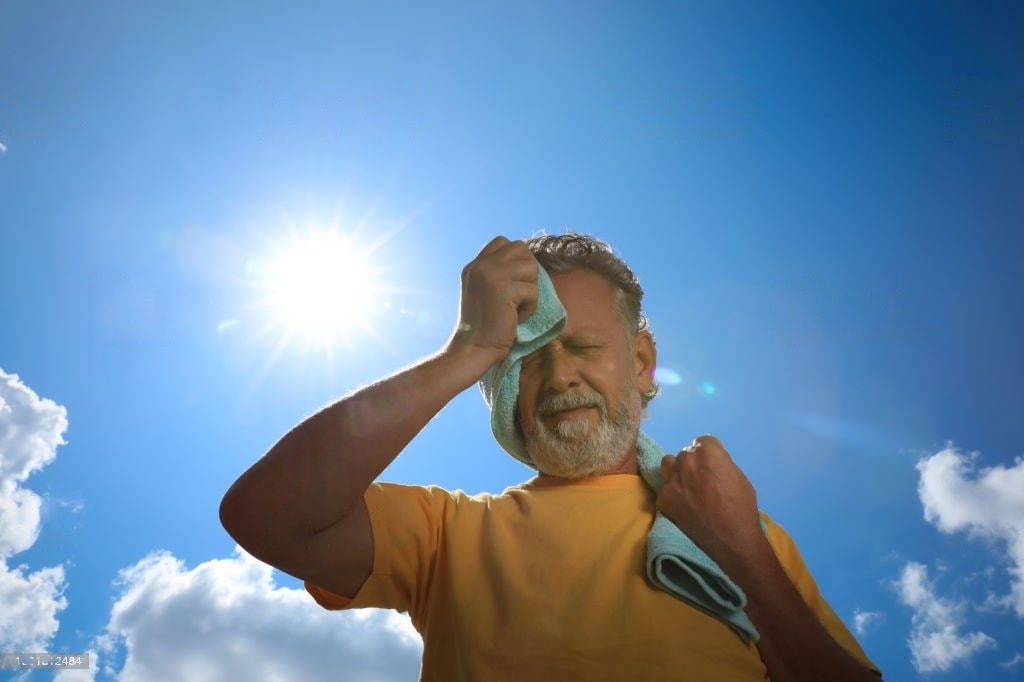
From Spain to Siberia, the world is currently experiencing unprecedented heatwaves. In India, March witnessed the hottest temperatures in over a century. Even the heart of England is hotter than the Caribbean and Western Sahara today. Unfortunately, as the mercury rises, so does the death toll, with hospital admissions on the rise—a grim sign of things to come.
Defining a heatwave varies depending on the region. In the UK, it is declared after three consecutive days with temperatures exceeding 25 to 28 degrees, depending on the area. In New York, it requires at least three days of 32 degrees or higher. Meanwhile, in the Indian Plains, temperatures above 40 degrees, 4.5 degrees higher than usual, constitute a heatwave.
Heatwaves are a natural part of the weather system, but their formation is complex. One contributing factor is high pressure. When a large amount of air accumulates over a specific area, the air pressure rises, resulting in high pressure zones known as anticyclones. These anticyclones are large, slow-moving masses of air that rotate clockwise in the northern hemisphere. As air descends from the high-pressure center, it undergoes compression, leading to heating. This not only intensifies the heat but also inhibits the usual cooling mechanisms, such as convective air rising and cloud formation.
The occurrence of high pressure is influenced by the polar front jet stream, a powerful wind system blowing from west to east in the upper atmosphere. When the jet stream meanders, areas of low pressure form in the troughs, while areas of high pressure form in the ridges. If the twists and turns of the jet stream become amplified, slow-moving blocks of high pressure can develop. These blocks can persist for weeks or even months, causing severe heatwaves as other weather systems try to work around them.
The heat becomes self-perpetuating as the sun's energy, usually used for evaporating water, accumulates due to a lack of soil moisture. The sinking air of the anticyclone acts as a lid, trapping the heat and creating a "heat Dome." This oppressive weight prevents the dissipation of heat, resulting in extreme temperatures. A prime example of this phenomenon occurred during the 2021 heatwave in the Pacific Northwest, where record-breaking temperatures were recorded.
Heatwaves can be deadly, especially in regions unaccustomed to such extreme temperatures. Between 2000 and 2019, South Asia witnessed over 110,000 heat-related excess deaths annually. In the United States, heat-related fatalities outnumber those caused by tornadoes, hurricanes, or floods. Despite their lethal nature, heatwaves are often referred to as the "hidden killers" due to their less dramatic portrayal compared to other weather events.
Humidity plays a crucial role in heatwave dangers. In humid climates like India, high humidity reduces the efficiency of the body's natural cooling through evaporation. This combination of high humidity and temperature, known as wet bulb temperature, poses a significant threat to human life. Wet bulb temperatures above approximately 35 degrees Celsius prevent the body from cooling down, leading to internal heat buildup and potential fatality within six hours.
To combat heat-related deaths, simple adaptations can make a difference. Access to cold water, fruits like bananas and oranges, and other cooling measures can help save lives. Preparation and proactive measures are essential. Learning from past heatwaves, countries like France implemented strategies such as checking on vulnerable individuals and establishing cooling centers, such as school gyms, for those without adequate housing.
As climate change continues to drive up global temperatures, adaptation becomes crucial. The susceptibility to extreme heat will increase in areas that have not historically experienced severe heatwaves, such as Afghanistan, Central Asia, and parts of Central America. The role of climate change in exacerbating heatwaves is evident. Weather attribution studies indicate that heatwaves, like the 2003 European heatwave responsible for 70,000 deaths, are now approximately twice as likely due to global warming.
Recent instances further underscore this relationship. In 2020, Siberia witnessed temperatures of 38 degrees Celsius, the highest ever recorded above the Arctic Circle. Researchers determined that climate change made this heatwave 600 times more likely. Greenhouse gas emissions and the resulting rise in average atmospheric temperatures contribute to the increased occurrence of extreme temperatures.
To conclude, heatwaves pose a significant threat to human health and well-being. They claim numerous lives globally and are often underestimated due to their inconspicuous nature. As the planet continues to warm, heatwaves will become more frequent, more intense, and affect larger areas. Recognizing the connection between climate change and heatwaves is crucial in implementing effective adaptation strategies to mitigate their impact.
About the Creator
Keep reading
More stories from Myke & Amy and writers in Earth and other communities.
From Ocean to Land
One of the most destructive natural phenomena on Earth, hurricanes are vast rotating thunderstorms that act as self-sustaining heat engines. With winds reaching speeds of over 200 miles per hour, these storms can cause devastating consequences when they make landfall. From extreme rainfall to storm surges, hurricanes possess an astonishing power to focus the sun's energy into one destructive package. But what transforms a peaceful patch of ocean into Nature's Most Powerful storm?
By Myke & Amy3 years ago in Earth
Venus and Jupiter Shine Together: A Stunning Planetary Display in Earth’s Sky
For skywatchers across the world, there are few sights more captivating than seeing bright planets glowing in the night sky. Among these celestial wonders, the close appearance of Venus and Jupiter from Earth is one of the most spectacular. When these two brilliant planets appear close together in the sky, they create a stunning astronomical event that fascinates both professional astronomers and casual stargazers alike.
By Irshad Abbasi 2 days ago in Earth
The Piggy Project
I’ve had so many names in this life I lose track of which ones were ever really mine and which ones I wore because someone needed me to. Some were handed to me before I had words to refuse them, before I knew what they meant, before I knew I could say no. Most weren’t meant to hurt. That doesn’t mean they didn’t leave marks. Marks that told me who I belong to, who I am by way of who claims me, recognizes me in the good and bad, who walks beside me.
By Fatal Serendipity5 days ago in Confessions




Comments
There are no comments for this story
Be the first to respond and start the conversation.