
Heat Pumps Without Regrets
A Smart Electrification Plan For Lee’s Summit

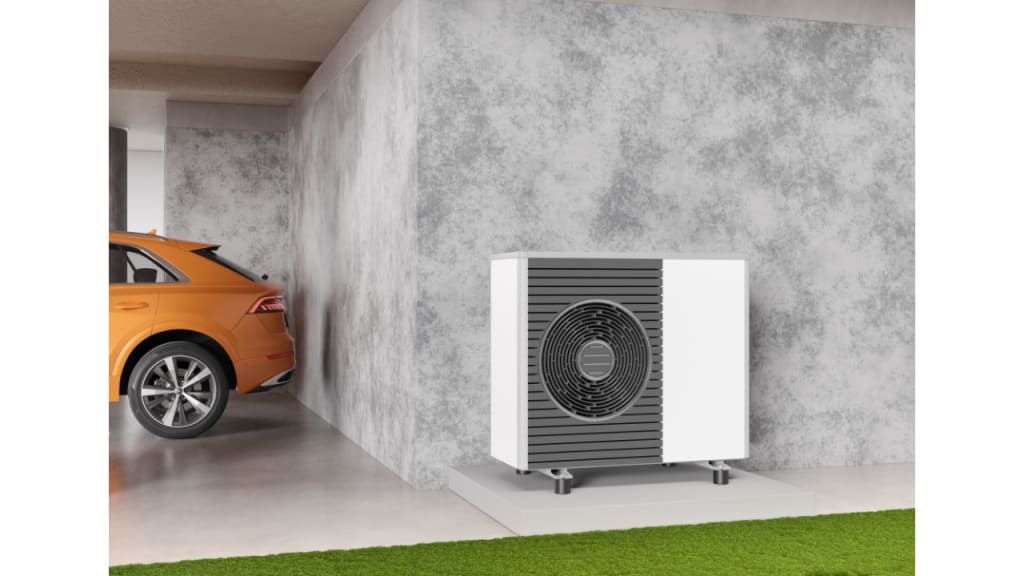
“Go electric” gets loud online, but comfort and costs are local. In Lee’s Summit, you need steady heat through damp cold snaps, real cooling in sticky summers, and bills that don’t swing like the weather. Heat pumps can deliver all three—if the plan fits the house. The secret isn’t a brand; it’s right‑sizing, clean airflow, and a backup strategy that avoids overbuilding.
Why Heat Pumps Make Sense Here
Heat pumps move heat instead of making it. In our climate, variable-speed systems operate quietly for hours, continuously drying the air, allowing rooms to feel warmer at the same temperature. In summer, they deliver true cooling and dehumidification without blasting. Where things go wrong is mismatch: oversized units short‑cycle, poorly charged systems ice up, and outdoor units crammed into tight corners can’t breathe. None of that is a technology problem—it’s an installation problem.
A Practical Path That Works In The Midwest
Measure first. A proper load calculation—factoring in insulation, windows, air leakage, and even orientation—often reveals you need less capacity than your old furnace number suggests. That’s good news: smaller, right‑sized equipment costs less upfront, runs longer and quieter, and tends to last longer because it isn’t slamming on and off.
Choose your format. Ducted heat pumps can be easily integrated into existing ductwork when the runs are reasonably sized and located. If you have a stubborn top floor, a small ductless head there can solve comfort gaps without upsizing the whole system. For additions or finished basements, ductless shines with precise, quiet control.
Decide on a backup. Modern cold‑climate systems carry most of winter. For rare arctic dips, you can use a small electric strip as a bridge in all‑electric homes or a dual‑fuel setup that hands off to a high‑efficiency gas furnace only when it truly helps. That approach keeps your heat pump doing the heavy, efficient lifting while preserving comfort on the coldest mornings.
Make the install matter. A good heating installation is about details: correct line‑set sizing and routing, verified refrigerant charge under real conditions, outdoor placement with room to defrost, and ducts that are sealed, insulated where needed, and balanced. Ask your installer to document airflow, static pressure, and charge; that paperwork serves as the system’s baseline and your ticket to faster, more cost-effective service later.
What You’ll Notice (And How To Start)
When fit is right, the house gets calmer. No more whoosh‑and‑stop cycles. Just a steady, gentle warmth that keeps surfaces temperate and windows clearer. In summer, you cool without overchilling. Many homeowners find that they can lower their winter setpoint and still feel just as comfortable—small adjustments that add up.
If your current system is struggling today—loud fans, rooms drifting off setpoint, or frequent icing—stabilize it while you plan. Book a water heater repair in Lee's Summit if hot water is also acting up; tuned water heating often lowers gas load and opens options on the heating side. Then talk replacement. Ask for a measured design and a clear commissioning plan. When it’s time, make your heat pump installation in Lee's Summit a process, not a product drop: load calculations, proper line‑sets, verified charge, balanced ducts, and a backup strategy that fits your house—not a marketer’s.
Electrification here isn’t about chasing a trend. It’s about quieter comfort, lower seasonal energy use, and a system that works with Missouri weather instead of fighting it.
About the Creator
Keep reading
More stories from The Weekend Project and writers in Earth and other communities.
Heat Pumps In A Rainforest City
“Go electric” is everywhere, but what matters at home is comfort that works with our cool, wet winters. Heat pumps aren’t just a trend in Vancouver; they’re a climate match. When they’re sized and installed properly, they run quietly and efficiently, removing moisture and reducing emissions without requiring you to bundle up.
By The Weekend Project5 months ago in Earth
Industrial Deployment of Biochar in Modern Metal Smelting Systems
Biochar is increasingly examined as a functional carbonaceous material in high-temperature metallurgical operations. Traditionally dominated by fossil-derived coke and coal, metal smelting processes are under pressure to decarbonize while maintaining reductive efficiency and structural reliability. Biochar, when properly engineered, presents a technically viable supplementary reductant in the production of steel, silicon, and ferroalloy. Its application, however, requires stringent control of physicochemical properties and integration within existing furnace infrastructure.
By Wayne Shen6 days ago in Earth



Comments
There are no comments for this story
Be the first to respond and start the conversation.