
Heat Pumps In A Rainforest City
Lower Emissions, Higher Comfort In Vancouver

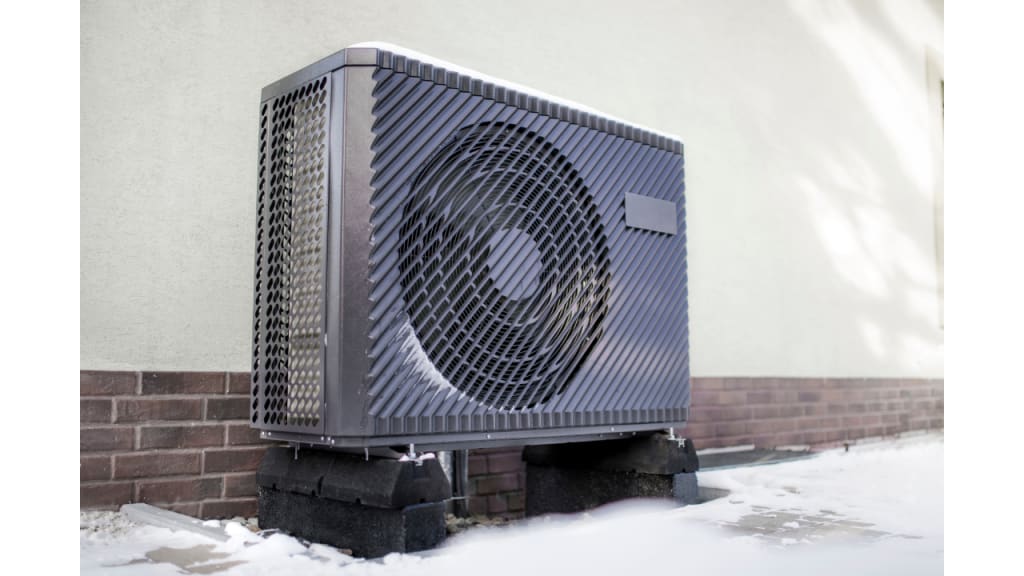
“Go electric” is everywhere, but what matters at home is comfort that works with our cool, wet winters. Heat pumps aren’t just a trend in Vancouver; they’re a climate match. When they’re sized and installed properly, they run quietly and efficiently, removing moisture and reducing emissions without requiring you to bundle up.
Why Heat Pumps Shine On The Coast
Heat pumps move heat rather than making it. In a temperate city like Vancouver, there’s plenty of outdoor heat to gather, even on cold days. Variable‑speed compressors hum along for hours, keeping temperatures steady and drying the air during those endless drizzle weeks. That steadiness is why a heat pump can feel warmer at the same thermostat setting compared to a short‑cycling furnace.
Where they stumble is a bad fit. Oversized units short‑cycle. Poorly charged systems ice up. Outdoor units jammed into tight corners can’t breathe. None of those flaws is about the technology; they’re about execution.
A Simple Plan To Electrify Without Regret
Start by measuring. A load calculation that accounts for your insulation, windows, air leakage, and orientation will determine the actual capacity you need. It’s common to discover you can step down in size from your old furnace number, because furnaces were often oversized.
Choose your format. Ducted heat pumps slot into existing ductwork—great if your ducts are reasonably sized and located. Ductless mini‑splits serve additions, top floors, or open‑plan spaces beautifully. Many homes perform best with a hybrid system: a ducted system for most rooms and a small ductless unit for the stubborn zone.
Decide on a backup strategy. In all-electric homes, modern cold-climate heat pumps carry almost the whole winter, with a small electric backup for rare Arctic outflows. If you have gas service and want a belt-and-suspenders peace of mind, a dual-fuel setup kicks in to a high-efficiency furnace only on the coldest days. Either way, the heat pump does the heavy lifting efficiently and quietly.
Make the install count. A good heating installation is about details: correct line‑set sizing and routing, verified refrigerant charge under real conditions, outdoor placement with room to defrost, and ducts that are sealed and balanced. Ask your installer to document airflow, static pressure, and charge. That paperwork is your system’s passport—it makes future service faster and keeps performance honest.
Humidity And Air Quality: Your Secret Allies
Because heat pumps run longer cycles, they naturally control humidity better than on/off furnaces. You’ll feel less clammy at the same temperature. If your home is very tight (with new windows and good insulation), consider adding planned ventilation—an HRV or ERV brings in fresh air without wasting heat. In older homes, simple bath fan timers can keep moisture in check where it starts.
What If You’re Not Ready To Replace?
You can still get lower emissions and better comfort by tuning what you have. Clean indoor and outdoor coils improve efficiency. Seal and insulate ducts in unconditioned spaces. Fix return leaks that pull air from basements or utility rooms. If a room is always too cold, consider installing a small ductless unit to serve it instead of upsizing the main system. And if your current unit is ailing, a timely heating repair in Vancouver that includes airflow measurement and coil cleaning can stabilize performance for years.
Costs, Incentives, And The Real‑World Math
Operating costs are often lower with a well‑sized heat pump, especially when you factor in the shoulder seasons where it sips power for hours rather than burning fuel in bursts. Incentives change, but many utilities and federal programs support efficient electrification and weatherization. A contractor who documents your load calculation and commissioning can help you capture those rebates.
What You’ll Notice When It’s Done Right
The house gets calmer. No more whoosh of hot air, then silence. Just a steady, gentle warmth that keeps surfaces temperate and windows clearer. In summer, you’ll have true cooling and dehumidification without overchilling. Many homeowners find they can adjust setpoints slightly and feel just as good, where most of the energy savings hide.
Looking Ahead
Heat pumps improve every year—better low‑temperature performance, quieter outdoor units, smarter controls that adapt to your home. Batteries, solar, and smart thermostats all play well with them. You don’t have to do it all at once. Tighten the envelope, tune what you have, then plan your switch when it makes financial and comfort sense.
Next Steps
If you’re curious, start with a conversation that begins at your house, not a brochure. Ask for a load calculation and an install plan with documented commissioning. If you’re not ready to replace, book a heating repair in Vancouver to clean coils, check airflow, and stabilize your current system. When you do move forward, treat heating installation as a measured process—the difference between “works” and “wow” is in the setup.
About the Creator
Keep reading
More stories from The Weekend Project and writers in Earth and other communities.
Warmth Without Waste
If you’ve ever stood in a Vancouver living room on a rainy evening, wrapped in a blanket despite a modest thermostat setting, you’ve felt our city’s signature chill. It’s not the coldest winter on the map, but it’s one of the dampest—and that moisture makes homes feel cooler and systems work harder. In that kind of climate, reliable heat isn’t just about comfort; it’s about sustainability and costs that don’t spike every time a front rolls through. This guide offers a practical look at how to maintain your home or storefront’s warmth without wasting energy, when to repair versus replace, and what to expect from a proper upgrade, ensuring your space feels comfortable on even the wettest days.
By The Weekend Project5 months ago in Earth
Discovery of the “Word Fish” That Lived Millions of Years Ago
In a groundbreaking paleontological discovery, scientists have unearthed the fossilized remains of an ancient fish species that lived millions of years ago, now being referred to as the “Word Fish.” This remarkable find, preserved in near-perfect condition, is providing researchers with a unique glimpse into marine life from a time long before humans walked the Earth.
By Irshad Abbasi about 7 hours ago in Earth


Comments
There are no comments for this story
Be the first to respond and start the conversation.