
Guilt and Responsibility
Explore the complex emotions experienced by individuals who realize their contribution to environmental degradation and climate change. Delve into the feelings of guilt, remorse, and the moral responsibility to take action and make amends.

Emma stood on the edge of the cliff, overlooking the vast expanse of the ocean. The wind whipped through her hair, carrying with it the weight of her guilt. She could no longer ignore the truth that haunted her every waking moment. Emma had been part of the problem. She had contributed to the environmental degradation and climate change that now threatened the very existence of the planet she loved so dearly.
As a successful businesswoman, Emma had built her career in the fashion industry, working for a renowned clothing brand. But it was in the pursuit of profit and consumer demand that she had turned a blind eye to the environmental consequences of her industry. The guilt had slowly crept into her conscience, growing heavier with each passing day. Now, it was suffocating her.
She recalled the countless hours spent in the design studio, creating new collections to entice consumers into buying more. The fabrics, the dyes, the energy-intensive manufacturing processes—all of it had taken a toll on the environment. Emma could no longer ignore the cost of her success.
Tears streamed down her face as she thought about the consequences of her actions. The polar ice caps melting, species going extinct, and extreme weather events becoming more frequent—all of it was a direct result of humanity's collective disregard for the Earth. Emma's heart ached for the damage done, and she felt a deep sense of remorse for her role in it.
Unable to bear the weight of her guilt any longer, Emma made a vow to change her ways. She resigned from her job, determined to make amends and use her skills for the betterment of the planet. She immersed herself in research, learning about sustainable practices and eco-friendly alternatives. She sought out environmental organizations and offered her expertise to help them spread their message.
But her journey was not without obstacles. Emma faced skepticism from her peers and ridicule from those who believed that change was impossible. But she pressed on, her guilt fueling her determination. She attended protests, organized awareness campaigns, and used her voice to advocate for responsible and ethical practices in the fashion industry.
Emma's efforts didn't go unnoticed. She started collaborating with like-minded individuals, forming a collective of designers and entrepreneurs who shared her vision. Together, they created a sustainable fashion brand that championed eco-friendly materials, fair labor practices, and conscious consumerism. It wasn't an easy path, but Emma knew it was the right one.
As the years went by, Emma witnessed the impact of her actions. Slowly, the fashion industry started to shift, embracing sustainability as a core value. Other sectors followed suit, recognizing the need for change. Emma's guilt began to transform into a sense of purpose and hope. She realized that her story was not just about personal redemption but about the collective responsibility we all shared to protect the environment.
One day, Emma received an invitation to speak at an international conference on climate change. Nervous but resolute, she stood before a packed auditorium, sharing her journey and the emotional awakening that had spurred her into action. Her voice trembled with passion as she called for a united effort to combat the climate crisis. The audience listened, their hearts moved by the rawness of her emotions.
As Emma stepped off the stage, she felt a profound sense of fulfillment. She knew that her journey was far from over, but she also knew that she had made a difference. The guilt that once consumed her had transformed into a driving force for change, inspiring others to examine their own actions and take responsibility for the future of the planet.
Emma looked out at the audience once more, her gaze filled with determination and resilience. She knew that the road ahead would be challenging, but she was no longer alone. Together, they would rewrite the narrative, one of guilt transformed into action, one of responsibility embraced, and one of redemption for both the planet and themselves.
The battle against climate change is a colossal undertaking that demands both government and individual responsibility. The actions and decisions made by governments have a significant impact on the global response to this pressing issue. However, individual choices and behaviors also play a crucial role in shaping the trajectory of our planet's future.
Governments have a unique and powerful position to drive systemic change. They have the authority to establish policies, regulations, and international agreements that can effectively address climate change. By implementing comprehensive climate action plans, investing in renewable energy infrastructure, and setting ambitious emission reduction targets, governments can lead the way towards a sustainable future.
Furthermore, governments have the ability to encourage and incentivize environmentally friendly practices. They can promote renewable energy sources, support research and development of clean technologies, and provide financial incentives for businesses and individuals who adopt sustainable practices. Governments also play a vital role in fostering international collaboration and cooperation to address climate change on a global scale.
However, government responsibility alone is insufficient. Individual actions are equally critical in tackling climate change. Each person has the power to make choices that contribute to a sustainable future. Simple changes in everyday habits, such as conserving energy, reducing waste, and adopting a plant-based diet, can collectively have a substantial impact.
Individuals also have the power to influence governments and hold them accountable. By raising awareness, participating in peaceful demonstrations, and engaging in grassroots movements, citizens can demand stronger environmental policies and urge governments to prioritize climate action. Through their voting power, individuals can elect leaders who prioritize sustainability and advocate for climate-friendly policies.
It is important to recognize that the responsibilities of governments and individuals are interconnected. Governments should create an enabling environment that empowers individuals to make sustainable choices. This includes providing access to clean energy, promoting public transportation systems, and making environmentally friendly options more accessible and affordable. Simultaneously, individuals must demand action from their governments and actively participate in collective efforts to combat climate change.
By working hand in hand, governments and individuals can create a powerful synergy that accelerates the transition to a low-carbon, sustainable future. This collaborative approach ensures that both top-down systemic changes and bottom-up grassroots initiatives are effectively aligned to achieve meaningful results.
Ultimately, the fight against climate change requires a comprehensive and multi-faceted approach. Governments must enact ambitious policies and provide the necessary resources, while individuals must embrace sustainable lifestyles and hold their governments accountable. Only by combining forces and assuming collective responsibility can we hope to mitigate the impacts of climate change and secure a prosperous and habitable planet for future generations.
About the Creator
Keep reading
More stories from Obinwosu Marycynthia and writers in Earth and other communities.
My planet, my treasure
In the vast expanse of the universe, our planet Earth stands out as a rare gem, adorned with breathtaking landscapes, teeming with diverse life forms, and providing us with everything we need to survive and thrive. However, this precious treasure is facing an unprecedented threat - climate change. As our awareness grows, it becomes evident that the responsibility lies upon us, the inhabitants of this magnificent planet, to protect and preserve it for future generations. Let us embark on a journey to understand the urgency of climate change and the critical actions needed to safeguard our shared heritage.
By Obinwosu Marycynthia 3 years ago in Earth
Nigella Lawson to Replace Prue Leith on The Great British Bake Off
The beloved British baking show, The Great British Bake Off (GBBO), has announced a significant shake-up that has fans buzzing: the celebrated food writer and television personality Nigella Lawson is set to replace Prue Leith as a judge. This move marks a dramatic shift in the dynamics of the show, promising fresh perspectives and renewed excitement for its millions of viewers worldwide.
By Aarif Lashari5 days ago in Earth
Minister Claims 'Sabotage' Behind Chagos Debate Delay
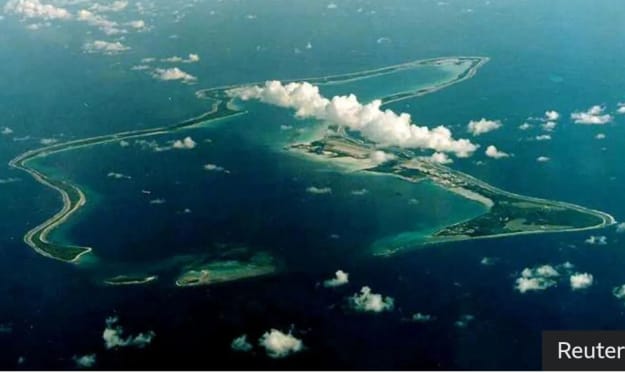
The Controversial Chagos Debate The debate over the Chagos Islands, a British Overseas Territory in the Indian Ocean, has been a contentious issue for decades. The islands, home to the Chagossian people, were evacuated in the 1960s and 1970s to make way for a US military base on Diego Garcia. Recent parliamentary sessions aimed to address ongoing claims for resettlement, compensation, and sovereignty, but the discussion has reportedly been delayed under unusual circumstances. According to a statement from a UK minister, the delay may not be procedural but deliberate “sabotage”, designed to prevent timely debate on this long-standing issue. What the Minister Said In a recent press conference, the minister emphasized that the parliamentary delay is unusual and suspicious. While refusing to name specific individuals, the official suggested that political interests or external pressures may have influenced the postponement. The minister stated: “We are aware of actions that have undermined the scheduling of this debate. We will not allow the voices of the Chagossian people to be ignored.” This strong language has sparked both media attention and political discussion, highlighting the sensitivity of the Chagos issue on national and international levels. Historical Context of the Chagos Islands Understanding the delay requires some historical context: The Chagossians were forcibly removed from their homeland between 1968 and 1973. The islands were leased to the United States for a military base, primarily on Diego Garcia. Legal battles and UN resolutions have since called for the right of the Chagossians to return and compensation for lost property. These historical grievances have made the islands a symbol of colonial legacy and human rights struggles, intensifying the political significance of any parliamentary debate. Political Ramifications The minister’s accusation of sabotage has sparked political debate: Opposition parties have demanded a transparent investigation into the delay. Advocacy groups for the Chagossian people have condemned the postponement as further marginalization of a historically displaced community. Analysts suggest the delay may be related to diplomatic sensitivities, as the UK maintains a strategic partnership with the United States, particularly regarding military operations on Diego Garcia. The controversy reflects a tension between human rights advocacy and geopolitical strategy, a balancing act often faced in foreign policy decisions. Reactions from the Chagossian Community The Chagossian diaspora, largely based in Mauritius and the UK, has reacted strongly to the minister’s statement: Many activists see the delay as evidence of continued neglect by the British government. Social media campaigns have called for immediate debate and restitution. Community leaders emphasize that Chagossians deserve transparency, timely action, and recognition of their rights. These responses highlight how the delay has directly affected community morale and advocacy efforts, amplifying calls for accountability. International Implications The Chagos Islands dispute is not only a domestic issue; it has international dimensions: The United Nations General Assembly has repeatedly urged the UK to return the islands to Mauritius. France and other nations have monitored the situation due to strategic interests in the Indian Ocean. The accusation of sabotage may influence diplomatic relations if it suggests internal political maneuvering is hindering compliance with international recommendations. Observers warn that the handling of this debate could have long-term consequences for the UK’s global reputation and human rights credibility. Parliamentary Procedures and Challenges Delays in parliamentary debates can occur for a variety of reasons, but accusations of deliberate sabotage suggest intentional interference. Challenges include: Scheduling conflicts and procedural backlog Political disagreements between parties Influence from external lobbyists or diplomatic pressures Experts emphasize the importance of parliamentary transparency and adherence to democratic norms, particularly when the matter involves historically displaced populations and international scrutiny. Importance of Accountability This controversy underscores the need for government accountability and transparency: Timely debates are essential for upholding the rights of marginalized communities. Parliamentary delays, whether intentional or procedural, can erode public trust. Clear communication regarding causes of delays can mitigate political fallout and misinformation. Advocates argue that maintaining procedural integrity is a matter of both domestic governance and international responsibility. Future Steps and Expectations The minister has indicated that further measures will be taken to ensure the debate proceeds without additional obstruction. Expected steps include: Investigation into the causes of the delay Engagement with Chagossian representatives to understand their concerns Coordinated efforts to address both domestic and international expectations If handled effectively, these steps may restore confidence in the government’s commitment to resolving this long-standing issue. Conclusion The recent accusation of sabotage surrounding the Chagos debate delay highlights the intersection of human rights, political strategy, and international diplomacy. As the UK government navigates these complexities, attention remains on ensuring that the voices of the Chagossian people are heard and that parliamentary processes maintain transparency and accountability. How the situation unfolds will not only impact domestic politics but also signal the UK’s stance on historical injustices and international law compliance. For the Chagossian community and global observers, timely resolution and action are critical to restoring trust and advancing justice.
By Aarif Lashari4 days ago in Earth



Comments
There are no comments for this story
Be the first to respond and start the conversation.