
Green Heating
How Furnace Contractors Are Adapting to Eco-Friendly Demands

In an age of increasing environmental awareness, the conversation around sustainability has moved from a niche topic to a central concern for homeowners and businesses alike. This shift is particularly evident in the heating, ventilation, and air conditioning (HVAC) industry, where traditional fossil-fuel-based systems are giving way to more energy-efficient and environmentally friendly alternatives. For the modern furnace contractor, this green revolution isn't just a trend, but a fundamental change in how they operate, innovate, and serve their clients.
The demand for green heating is driven by a number of factors, including rising energy costs, government incentives for energy-efficient upgrades, and a growing desire among consumers to reduce their carbon footprint. This has created a new landscape of opportunities and challenges for heating professionals, who must now expand their expertise beyond traditional gas and oil furnaces to embrace a new generation of clean technologies.
The Rise of Sustainable Heating Technologies
The core of this green transition lies in the new technologies that are transforming how we heat our homes. The most prominent of these is the heat pump, a device that is quickly becoming the centerpiece of residential heating and cooling. Unlike a furnace, which generates heat by burning fuel, a heat pump simply transfers heat from one place to another. In the winter, it pulls heat from the outside air or ground and moves it indoors, a process that is far more energy-efficient than combustion. In the summer, it reverses the process, acting as an air conditioner.
There are several types of heat pumps. Air-source heat pumps are the most common and work well in moderate climates. However, for colder regions, the dual-fuel heat pump has emerged as a popular solution. This system pairs a high-efficiency heat pump with a traditional gas furnace. The heat pump handles the heating needs during milder weather, and when temperatures drop below a certain point, the furnace takes over to provide reliable warmth. This hybrid approach offers the best of both worlds: the efficiency of a heat pump with the power of a furnace.
Another notable technology is geothermal heating, which utilizes the stable temperature of the earth to heat and cool a home. A series of pipes are buried underground, where the temperature remains constant year-round. A fluid circulates through these pipes, absorbing heat in the winter and releasing it in the summer. Geothermal systems are incredibly efficient and have a very low environmental impact, though the initial installation cost is higher than that of other systems.
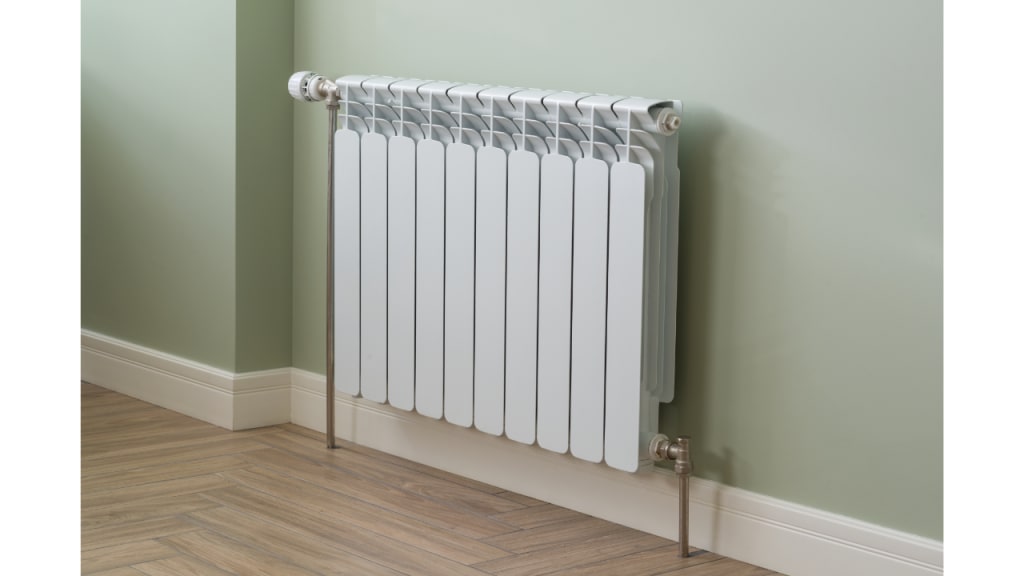
Beyond heat pumps, other innovations are gaining traction. Hydronic heating systems use hot water circulating through pipes under floors or in radiators to provide a gentle, uniform warmth. This radiant heat is highly efficient and can be zoned to heat individual rooms, minimizing energy waste. The development of smart thermostats and other building automation systems also plays a crucial role. These devices use data and artificial intelligence to learn a household's habits and optimize heating schedules, ensuring comfort while dramatically reducing energy consumption.
A New Role for the Furnace Contractor
The green transition has necessitated a new skill set for heating contractors. While a deep knowledge of traditional furnaces remains essential, they now must become experts in a broader range of systems, including the complex electrical and geothermal components of heat pumps. This requires ongoing training and certification to stay current with the rapid pace of technological development.
Furthermore, the role of the contractor has evolved from that of a simple installer or repairman to a trusted energy consultant. Homeowners are looking for guidance on which green heating system is right for their home, and contractors must be prepared to offer comprehensive advice on long-term cost savings, energy efficiency ratings, and government rebates. They are now tasked with performing energy audits and making recommendations for a holistic approach to home comfort that may also include improved insulation and air sealing.
Overcoming Challenges and Looking Ahead
This shift has not been without its challenges. The initial cost of some green systems can be a barrier for consumers, and contractors must be adept at demonstrating the long-term return on investment through lower utility bills and increased home value. There are also supply chain hurdles, as the demand for components like heat pumps and high-efficiency filters can outpace their availability.
However, the future is bright. The push for sustainability is only getting stronger, with many governments implementing new regulations and incentives to promote greener heating. This has created a fertile ground for innovation and growth within the HVAC industry. Contractors who embrace these changes are not only contributing to a healthier planet but are also positioning their businesses for long-term success. They are the frontline workers in the fight against climate change, one efficient home at a time.
For a healthier home and a healthier planet, make the switch to green heating today. Contact a certified local HVAC professional to explore your options and find the perfect eco-friendly solution for your home.
About the Creator
Keep reading
More stories from The Weekend Project and writers in Earth and other communities.
Quiet Power, Long Endurance
You don’t have to pick sides between solar panels, home batteries, and generators. The most resilient—and often the most efficient—backup plan blends all three. Solar lowers bills and recharges batteries on good days. Batteries keep things silent during short outages and shave peak rates. A generator steps in for long events or cloudy stretches. Together, they turn your home into a calm island during storms without running an engine any longer than necessary.
By The Weekend Project5 months ago in Earth
The Fiery Circle: Understanding the Pacific Ring of Fire
The **Pacific Ring of Fire** is not a literal ring of flames, but it is undoubtedly the most geologically volatile region on Earth. Stretching approximately 40,000 kilometers (25,000 miles) in a massive horseshoe shape, it traces the coasts of the Pacific Ocean—from the southern tip of South America, up along the coast of North America, across the Bering Strait, down through Japan, and into Southeast Asia and New Zealand.
By Irshad Abbasi 4 days ago in Earth
The Piggy Project
I’ve had so many names in this life I lose track of which ones were ever really mine and which ones I wore because someone needed me to. Some were handed to me before I had words to refuse them, before I knew what they meant, before I knew I could say no. Most weren’t meant to hurt. That doesn’t mean they didn’t leave marks. Marks that told me who I belong to, who I am by way of who claims me, recognizes me in the good and bad, who walks beside me.
By Fatal Serendipity6 days ago in Confessions


Comments (1)
it is worth reading!