
Quiet Power, Long Endurance
Build A Hybrid Backup System Without The Headaches

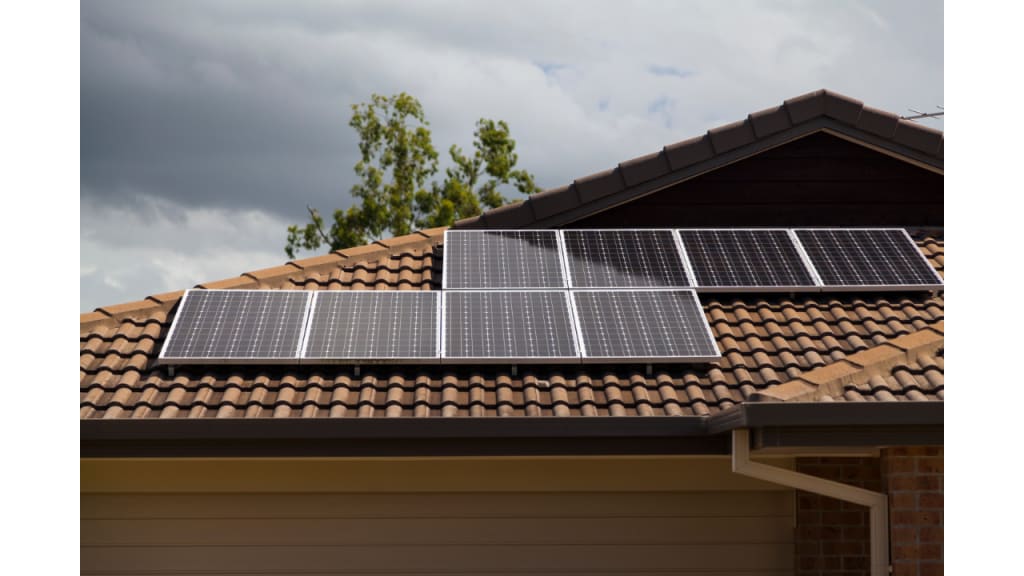
You don’t have to pick sides between solar panels, home batteries, and generators. The most resilient—and often the most efficient—backup plan blends all three. Solar lowers bills and recharges batteries on good days. Batteries keep things silent during short outages and shave peak rates. A generator steps in for long events or cloudy stretches. Together, they turn your home into a calm island during storms without running an engine any longer than necessary.
Why Hybrid Beats A Single Tool
Batteries are instant and quiet, but capacity is finite. Generators run as long as you have fuel, but they’re louder and burn gas or propane. Solar can’t power your home during an outage unless you have a battery and the right inverter. A hybrid uses each where it shines: battery first for blips and evening peak shaving, solar to refill the battery when the sun’s out, and generator only when the battery approaches its reserve. The result is reduced noise, lower fuel consumption, and increased endurance.
Plan The Pieces To Work Together
Start with priorities and circuits. Decide what must stay on in an outage: HVAC for one zone or a critical room, refrigeration, internet and office gear, lighting in common areas, and medical devices. Place those on a dedicated backed‑up panel. Smaller, focused loads make automation easier and keep both batteries and generators appropriately sized.
Choose compatible components. Your inverter or power management system needs to island safely during outages, coordinate battery charge/discharge, and start/stop the generator at a set battery threshold. Confirm that the generator outputs clean, stable power for electronics and that your installer configures ramp‑up properly to avoid hard hits to sensitive gear. Document settings so future service is fast.
Size fuel and place the unit wisely. Even with fewer run hours in a hybrid, fuel math still matters. For natural gas, verify meter capacity and pipe sizing for combined generator and appliance draw. For propane, select a tank sized for realistic multi-day events, recognizing that the engine won’t run continuously. Place the generator with code clearances, good drainage, and easy service access. Quiet‑rated enclosures help, but smart siting keeps peace with neighbors.
Everyday Wins And How To Start
Hybrids pay off even when the grid is fine. Batteries can charge from solar in the day and discharge in the evening to reduce bills if your utility has time‑of‑use rates. Some programs pay you to reduce load during peak events; your system can do this automatically without changing comfort. Over time, you’ll burn less fuel and run the engine less, which extends life and lowers noise.
Set realistic expectations. Batteries aren’t infinite, and generators aren’t instantaneous. Keep a small UPS on your modem/router to bridge the seconds before the generator starts. Decide how many hours of silent backup you want and size the battery accordingly. Model a one‑hour blip, a six‑hour outage, and a two‑day storm with your installer so you understand how the system will behave.
Treat installation as a process, not a box drop. A proper residential generator installation ends with live load testing and training on your monitoring app. Your solar/storage installer should verify islanding behavior and set battery reserve thresholds that balance comfort with fuel savings. If you’re beginning from scratch, meet with providers who speak both “battery” and “generator.” In Charlotte, TX, experienced generator installation contractors can coordinate fuel sizing, permits, and commissioning while aligning with your solar team. Done right, you’ll get cleaner energy on sunny days, quiet short‑term resilience, and long‑term backup when the weather doesn’t cooperate.
About the Creator
Keep reading
More stories from The Weekend Project and writers in Earth and other communities.
Lower Bills, Smaller Footprint
Sustainability doesn’t have to mean tearing your house apart or buying the newest gadget. In Philadelphia’s rowhomes and small commercial spaces, the biggest wins often come from simple, measurable upgrades that make the building cooperate with your equipment. Done right, you’ll feel quieter comfort, see steadier utility bills, and shrink your footprint—all without turning your life upside down.
By The Weekend Project5 months ago in Earth
The Canals of Phoenix: How Waterways Made Life Possible in the Desert
In the heart of the Sonoran Desert, where summer temperatures regularly climb above 110°F (43°C), the existence of a sprawling metropolitan city like Phoenix, Arizona, may seem almost impossible. Yet Phoenix thrives, home to millions of residents, vast suburbs, and a growing economy. The secret behind this unlikely success lies in a remarkable system of canals that carry life-giving water across the desert landscape.
By Irshad Abbasi 3 days ago in Earth
Silken Chains
Silhouettes of the female form were given flesh and bone. Silken skin glistened under the spotlight. Dry ice rose around our Icons as they danced atop their podiums in the Square. Heralded for their beauty, their movements were slight, powerful, and sensual.
By Paul Stewart4 days ago in Fiction




Comments
There are no comments for this story
Be the first to respond and start the conversation.