
An Ultimate Guide to Valley of Flowers Trek, Uttarakhand, India
Explore the Valley of Flowers Trek in Uttarakhand with this detailed guide covering route, permits, best time to visit, travel tips, and local insights.
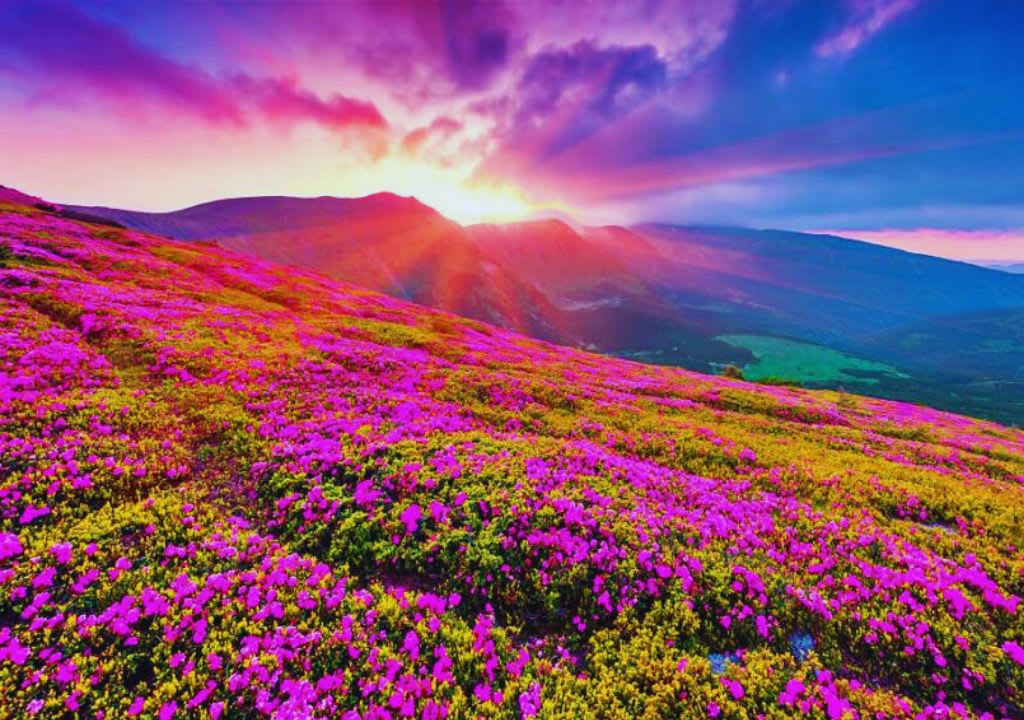
The Valley of Flowers National Park is a UNESCO World Heritage site nestled high in the Western Himalayas of Uttarakhand, India. Renowned for its sweeping meadows of endemic alpine flowers, the valley bursts into color each monsoon, carpeted by species such as blue poppies, primulas, marigolds, and anemones.
This rich floral diversity – over 600 species of flowering plants have been recorded – is accompanied by rare wildlife including Asiatic black bears, elusive snow leopards, brown bears and blue sheep. Towering peaks like Gauri Parbat and Rataban surround the valley, forming a tranquil Himalayan amphitheater of meadows, streams and waterfalls.
In fact, as UNESCO notes, “the Valley of Flowers National Park is renowned for its meadows of endemic alpine flowers and outstanding natural beauty.”
History and Mythology
Although sacred to locals for centuries, the Valley of Flowers was brought to wider attention only in the 20th century.
In 1931 the English mountaineer Frank S. Smythe first stumbled upon this hidden valley during a Kamet expedition.
Smythe famously wrote about the experience in his book The Valley of Flowers (1938), calling it “a place of escape for those wearied of modern civilisation”.
His writings prompted botanists to explore the region.
Lady Joan Margaret Legge
Notably, British botanist Lady Joan Margaret Legge led a research team here in 1939 – she tragically died collecting specimens, and her grave remains a poignant memorial in the valley.
UNESCO and National Park Status
The area was declared a wildlife sanctuary in 1980 and National Park in 1982.
In 2005 it was inscribed (along with Nanda Devi National Park) as a UNESCO World Heritage site, recognizing its unique alpine ecosystem.
Hindu Legends and Cultural Significance
The valley also figures in local legends and Hindu lore.
According to Mahabharata folklore, the Pandava prince Bhima once fetched the divine “Saugandhikā” flower from a celestial meadow (often linked with this valley) to please his wife Draupadi.
Brahma Kamal and Nanda Ashtami
The rare Brahma Kamal (Saussurea obvallata) – the state flower of Uttarakhand – has many myths attached.
Puranic texts say Lord Brahma sprang from a lotus emerging from Lord Vishnu’s navel, which gives the flower its name.
It is traditionally offered on Nanda Ashtami to goddess Nanda (consort of Shiva) and is prized at Himalayan shrines like Badrinath and Kedarnath.
Hemkund Sahib Connection
The holy lake of Hemkund Sahib (at 4,329 m) is central to Sikh and Hindu faiths.
Sikh tradition holds that Guru Gobind Singh Ji, the tenth Sikh Guru, meditated there for years.
Legend also identifies Hemkund (“Lake of Snow”) as a place where Lakshmana (brother of Lord Rama) performed penance.
Trekking Itinerary of Valley of Flowers Trek (6 Days)
A typical Valley of Flowers trek itinerary spans 5–6 days (not counting the day for travel to Rishikesh/Joshimath). The itinerary below is representative of how most guided treks are structured:
Valley of Flowers is beautiful throughout its territory, so it's recommended to read the detailed itinerary with each day's scenery, altitude gain, trekking distances, and major highlights along the way.
Day 1: Drive from Rishikesh to Joshimath
Drive from Rishikesh to Joshimath (246 km, ~7–8 hours) via the holy towns of Devprayag, Rudraprayag, Karnaprayag and Nandaprayag.
This scenic highway (NH7) follows the confluence of the Ganges and Alaknanda rivers.
Arrive in Joshimath (1,894 m) by evening. Overnight in a guesthouse.
Tip: Joshimath is the last major town with ATMs and markets to stock up supplies.
Day 2: Joshimath – Govindghat – Ghangaria
Early drive (~30 km) to Govindghat (1,829 m) along the road to Badrinath.
Visit the Gurudwara at Govindghat, where the Pushpawati River meets the Alaknanda.
From Govindghat, take a shared taxi (or jeep) to Poolna or Begna (~5 km).
Begin 9–10 km hike (5–6 hours) through forests along Laxman Ganga / Pushpawati River.
Pass suspension bridges (like Baman Dhaud), waterfalls, Junglighat and Bhyundar.
Final steep climb to Ghangaria (3,099 m). Overnight stay.
Day 3: Ghangaria – Valley of Flowers – Ghangaria
Pre-dawn start for an ~8 km round-trip (~7–8 hours).
Show permits at Forest Checkpost (opens by 7:00 AM).
Trek through deodar forest, snow-fed streams, open alpine meadows.
Reach 3,200 m, descend to Pushpawati riverbed.
See peaks like Gauri Parbat, Rataban, and Lady Joan Legge’s grave.
Return to Ghangaria by mid-afternoon. Overnight stay.
Day 4: Ghangaria – Hemkund Sahib – Ghangaria
Early breakfast and ~12–13 km steep trek (~7–8 hours) to 4,329 m.
Fork trail through pine forests, cascades, and glacial stream.
Reach holy Hemkund Lake with the white-domed Sikh shrine.
Seven peaks (Saptrishi range) surround the lake.
See blooming Brahma Kamal. Return by evening.
Day 5: Ghangaria – Govindghat – Joshimath
Trek back to Govindghat (5–6 hours).
Hire a taxi back to Govindghat. Drive to Joshimath (1–2 hrs).
Visit Shankaracharya Math or Narsingh Temple.
Visit Badrinath Temple (if time permits)
Overnight stay.
Day 6: Drive from Joshimath to Rishikesh
Depart early on the return drive to Rishikesh (240+ km, 8–10 hour.
Trek Difficulty Overview
- Graded moderate
- Trails up to Ghangaria are gradual with some steep sections.
- Hemkund Sahib climb is more strenuous (1,230 m gain).
- Good physical fitness is recommended: 5–8 hours trekking daily on uneven terrain.
Planning Your Trip to Valley of Flowers
1. Best Time to Visit
- Park opens June 1st, closes by October (end September).
- Peak bloom: July–August
- July: budding flowers, fewer trekkers
- August: full bloom, more crowds and rain
- September: clear skies, fewer flowers
- Plan mid-July to mid-September for the best experience. Start hikes early to avoid afternoon clouds or rain.
2. Getting There (How to Reach)
Nearest Access Points
- Rishikesh and Haridwar (rail/bus)
- Jolly Grant Airport near Dehradun (~35 km from Rishikesh)
By Road
- Delhi to Govindghat: ~500 km (~12 hours
- Ascend via Rudraprayag, Karnaprayag, Nandaprayag, Chopta
- Govindghat is 24 km before Badrinath on NH7
Start of Trek
- Govindghat is the trailhead
- Shared jeeps to Poolna (~5 km) available. It’s made mandatory by locals to book only their vehicle for transport from Govindghat to Poolna and back NOT vehicles from outside of the region.
- Trek from Poolna to Ghangaria (9 km)
- Optional: hire porters/mules (₹1,000–2,000), or use helicopter service (costly, something around 3-5k per person for one way, Govind Ghat ⇌ Ghangaria Helipad)
3. Permits and Entry Fees
- Mandatory forest entry permit from Ghangaria
- Fees: ₹200 (Indian adult), ₹800 (foreign adult)
- Children under 12: free or discounted
- SLR Cameras: Free (Indians), ₹1,000 (foreigners)
- ID required (Aadhaar, Passport)
- No overnight camping inside the valley
- Valley visit timings: 7:00 AM–5:00 PM
- Only 150 tourist are allowed in day
- At the beginning of August, it gets very crowded.
- To ensure you get your permit, you can apply for online permit on the official website of NDBR.
4. Accommodation and Facilities
- Stay in Joshimath (basic hotels) and Ghangaria (guesthouses, GMVN dorms)
- Ghangaria has ~15 huts and hotels, runs on solar/generator power
- Food: simple vegetarian fare
- Gurudwara serves langar (Best for Solo Travelers)
- Last ATMs at Joshimath – withdraw cash before trek
- Camping allowed only near Ghangaria (not inside park)
- Gurudwara stays are also available (Best for Solo Travelers)
5. Trekking Gear and Packing list of Valley of Flowers
Essentials:
- Waterproof hiking boots
- Rain gear (jacket/pants)
- Warm clothes (fleece, woolens, gloves, hat)
- 2–3 liters water/day
- Snacks (energy bars, nuts)
- Sunglasses, sunscreen, trekking pole
Tips:
- Avoid plastic
- Respect nature
- Do not pluck flowers
6. Fitness and Health
- Moderate fitness needed: 5–8 hours hiking, uneven trails
- Train 4–6 weeks with cardio/hill walking
- Acclimatize in Joshimath and Ghangaria
- Watch for altitude sickness (above 3,000 m)
- Symptoms: headache, nausea, dizziness
- Carry acetazolamide (Diamox) if needed
7. Local Climate and Conditions
- Wet, cool weather during monsoon (July–Sept
- Slippery trails, possible leeches – use gaiters
- Mornings clearer, aim to reach destination before noon
- Nighttime: near freezing, dry clothes early
- Late September: possible snow at high altitudes
8. Nearby Attractions to Visit
- Hemkund Sahib (4,329 m): Sikh and Hindu pilgrimage, glacial lake and temple (open June–October)
- Badrinath: Sacred Vishnu shrine, 14 km north of Govindghat
- Mana Village and Bheem Pul: Beyond Badrinath, linked to Mahabharata
9. Sample 6-Day Itinerary Recap
- Day 1: Rishikesh→Joshimath
- Day 2: Joshimath→Govindghat→Ghangaria (trek)
- Day 3: Ghangaria→Valley of Flowers→Ghangaria
- Day 4: Ghangaria→Hemkund Sahib→Ghangaria
- Day 5: Ghangaria→Govindghat→Joshimath
- Day 6: Joshimath→Rishikesh
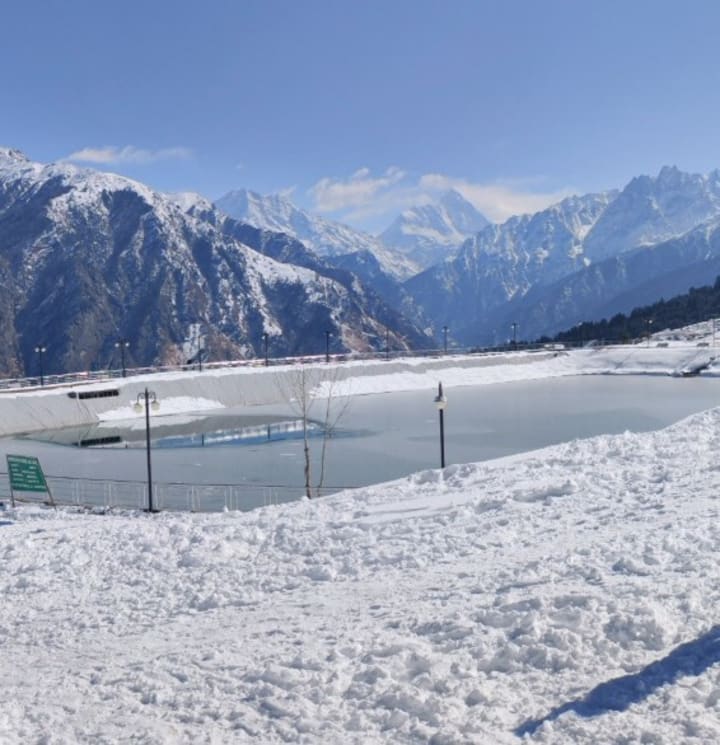
Some operators add extra rest days or Badrinath/Auli visit.
Route Map of Valley of Flowers Trek
The usual trail for the Valley of Flowers Trek begins from Rishikesh and passes through Devprayag to reach Joshimath. From there, the journey continues to Govind Ghat and Poolna, followed by a walk to Ghangaria. Trekkers then explore the Valley of Flowers and return to Ghangaria, with an optional visit to Hemkund Sahib before heading back the same way through Poolna, Govind Ghat, and Joshimath, finally reaching Rishikesh.
Travel Tips and Advice
Permits: Obtain at Ghangaria, carry ID, pay cash
Guides/Porters: Hire locally in Govindghat (₹1,000–1,500)
Food/Water:
- Carry 2–3 L daily
- Bring snacks
- Treat river water
Clothing:
- Layered rainproof gear
- Warm accessories
- Waterproof shoes
Altitude Safety:
- Ascend slowly
- Use mild medication if needed
Sun/Insects:
- Sunglasses, sunscreen, insect repellent
Cultural Respect:
- Dress modestly
- Remove shoes at Gurudwara
- Cover head (cloth provided)
- Free meals served at Gurudwaras
Environmental Responsibility:
- Carry back all waste
- Avoid noise
- Leave No Trace
Summary
The Valley of Flowers trek is a unique blend of natural splendor and spiritual heritage. In just a week you ascend from riverine forests to subalpine meadows alive with blossoms, all framed by Himalayan giants. Along the way, you will cross sacred sites (like Hemkund Sahib), picnic by pristine rivers and discover why ancient texts celebrated this valley.
By preparing well – timing your trip to mid-summer, packing smart, and acclimatizing properly – you can fully enjoy this “heavenly garden” in the lap of the Himalayas.
About the Creator
Mountains Curve
I’m a passionate traveler with an insatiable curiosity for exploring new corners of the world. Beyond my love for adventure, I find joy in DIY crafts, cooking, planting, spending time in forests, and diving into anything new to learn.
Keep reading
More stories from Mountains Curve and writers in Earth and other communities.
Grassland: Facts, Ecosystem, Climate, Species, and Conservation
Grasslands are open landscapes of grasses and form a vital part of global biomes and Earth landscapes. These landscapes are among the most extensive and ecologically important terrestrial ecosystems on Earth. Grasslands cover roughly 20 to 40 percent of the planet’s land surface, excluding Antarctica, and occur across multiple continents in both tropical and temperate regions.
By Mountains Curve2 months ago in Earth
Iowa Weather Alert: Strong Winds Ease Tonight, But Winter Storm Could Bring Blizzard Conditions Sunday
Residents across eastern Iowa are experiencing an active and rapidly changing weather pattern this weekend. While strong winds are expected to gradually diminish Friday evening, meteorologists are warning that a significant winter storm could impact the region beginning Sunday, potentially bringing snow, powerful winds, and dangerous travel conditions.
By Omasanjuwa Ogharandukun3 days ago in Earth


Comments