
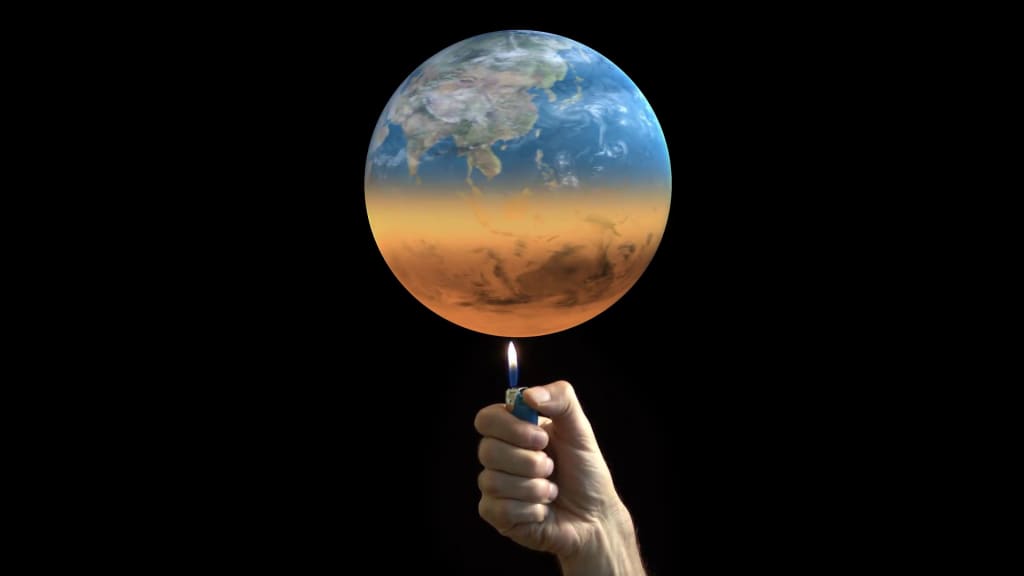
Title: Taking Action Against Global Warming: Saving Our Planet, One Step at a Time
Introduction
Global warming remains one of the most critical challenges facing humanity in the 21st century. The steady rise in the Earth's average temperature due to human activities has severe consequences for our planet's ecosystems, weather patterns, and biodiversity. The need to address this issue is urgent, and collective action is necessary to secure a sustainable future for generations to come. In this post, we will explore the causes and impacts of global warming and delve into actionable steps we can take to preserve the world we cherish.
Understanding Global Warming
Global warming is primarily driven by the accumulation of greenhouse gases, such as carbon dioxide (CO2), methane (CH4), nitrous oxide (N2O), and fluorinated gases, in the Earth's atmosphere. These gases trap heat, leading to the greenhouse effect, which warms the planet. The major sources of these emissions include burning fossil fuels for energy, deforestation, industrial processes, and agricultural activities.
Impacts of Global Warming
The consequences of global warming are already evident and impact various aspects of our lives:
Rising Temperatures: Heatwaves and extreme weather events become more frequent and intense, endangering human health, agriculture, and ecosystems.
Melting Ice and Rising Sea Levels: Melting glaciers and polar ice caps contribute to sea-level rise, threatening coastal cities and island nations with inundation.
Ocean Acidification: Increased CO2 levels are absorbed by the oceans, leading to acidification that harms marine life, especially coral reefs and shell-forming organisms.
Disruption of Ecosystems: Global warming disrupts ecosystems and biodiversity, leading to the extinction or migration of various species.
Steps to Combat Global Warming
While the challenge of global warming is immense, collective efforts, both on individual and societal levels, can make a difference. Here are actionable steps we can take to save the world:
Transition to Renewable Energy: Embrace renewable energy sources like solar, wind, and hydroelectric power to reduce our dependence on fossil fuels and cut greenhouse gas emissions.
Energy Efficiency: Improve energy efficiency in homes, businesses, and industries by adopting energy-saving technologies and practices.
Afforestation and Reforestation: Planting trees and restoring forests help absorb CO2 from the atmosphere, mitigating the impacts of global warming.
Promote Sustainable Transportation: Opt for public transportation, carpooling, biking, or walking whenever possible to reduce carbon emissions from vehicles.
Reduce, Reuse, Recycle: Minimize waste production, reuse items, and recycle materials to reduce the environmental footprint.
Advocate for Policy Change: Support and advocate for government policies that prioritize sustainability, renewable energy, and emission reduction.
Raise Awareness: Educate others about the importance of addressing global warming and the individual actions they can take to contribute to the solution.
Support Sustainable Agriculture: Encourage and support practices that promote sustainable agriculture and reduce emissions from farming.
Conclusion
Global warming is a pressing issue that requires immediate action. Each one of us has a role to play in safeguarding our planet. By making conscious choices and embracing sustainable practices, we can collectively contribute to mitigating the impacts of global warming. Let's unite our efforts, raise awareness, and advocate for positive change to ensure a greener, healthier, and more sustainable world for future generations. The time to act is now - let's save the world, one step at a time.
About the Creator
Keep reading
More stories from Idris Olabode and writers in Earth and other communities.
the most chili pepper in the word
As of my last update in September 2021, the Carolina Reaper holds the Guinness World Record for the world's hottest chili pepper. The Carolina Reaper was bred by Ed Currie of the PuckerButt Pepper Company in South Carolina, USA. It has an average Scoville Heat Unit (SHU) rating of over 1.6 million, with some individual peppers measuring even higher on the Scoville scale.
By Idris Olabode3 years ago in Earth
Review of 'Man on the Run'
My wife and I saw Man on the Run, a nearly 2-hour documentary on Amazon Prime, about Wings, Paul McCartney's group that flew around the world from shortly after The Beatles broke up in early 1970 to shortly after John Lennon was murdered at the end of 1980, making a Beatles reunion forever impossible.
By Paul Levinson7 days ago in Beat


Comments
There are no comments for this story
Be the first to respond and start the conversation.