
Global Crisis
Water Scarcity and Pollution: A Global Crisis


Water Scarcity and Pollution: A Global Crisis
Water is life. It’s as simple as that. But what happens when this life giving resource starts to run out or becomes unsafe to use? That’s the harsh reality we’re facing with water scarcity and pollution. These twin crises are wreaking havoc on communities, ecosystems, and economies worldwide. Let’s dive deeper into what’s really going on and why it’s so urgent to act.
What Is Water Scarcity?
Water scarcity isn’t just about a dry tap in your kitchen. It’s a much bigger issue than that. It happens when the demand for water exceeds the available supply, or when water quality is so poor it can’t be used.
There are two main types of water scarcity:
1. Physical Water Scarcity: This occurs when there simply isn’t enough water to meet everyone’s needs. Think about arid regions like parts of Africa or the Middle East.
2. Economic Water Scarcity: Here, the issue isn’t the lack of water but a lack of infrastructure or funds to access it.
You might be surprised to know that over 2 billion people worldwide live in areas with high water stress. That’s a staggering number, and it’s only expected to grow as populations rise and climate change worsens.
What Causes Water Scarcity?
The reasons for water scarcity are a mix of natural and human made factors. Let’s break it down:
Climate Change: Rising temperatures are drying up rivers and lakes, while erratic rainfall patterns make it harder to rely on seasonal water sources.
Population Growth: More people mean more demand for water—for drinking, agriculture, and industry.
Overuse: Industries and agriculture often take more than their fair share, leaving little for local communities.
Pollution: Contaminated water sources are as good as no water at all.
And it’s not just in far off places. Even developed countries face water scarcity. California, for instance, struggles with droughts regularly.
How Pollution Worsens the Problem
Here’s the kicker—pollution isn’t just a problem in itself; it makes water scarcity even worse. Dirty water is unusable water. Period.
Industrial Waste: Factories dump chemicals, heavy metals, and toxins into rivers and lakes.
Agricultural Runoff: Pesticides and fertilizers wash into waterways, causing harmful algal blooms and killing aquatic life.
Plastic Pollution: Ever heard of microplastics? These tiny bits of plastic are everywhere, even in our drinking water.
Sewage and Wastewater: In many parts of the world, untreated sewage flows straight into rivers. Gross, right?
The scary part is, polluted water kills. According to the World Health Organization, around 2 million people die annually from diseases caused by dirty water and poor sanitation.
The Impact on Communities and Ecosystems
Water scarcity and pollution don’t just make life inconvenient—they’re devastating.
Health: Without clean water, diseases like cholera, dysentery, and typhoid spread like wildfire.
Food Security: Farmers need water to grow crops. Without it, food production plummets, leading to hunger and skyrocketing food prices.
Economic Loss: Industries that rely on water—like textiles and agriculture—suffer massive losses during water shortages.
Ecosystems: Rivers, lakes, and wetlands are home to countless species. When these water bodies dry up or get polluted, entire ecosystems collapse.
It’s a ripple effect, and no one is spared.
Solutions to Water Scarcity and Pollution
So, what can we do? The good news is, solutions exist. It’s not too late to turn things around.
1. Conserve Water: Simple changes like fixing leaks, using water efficient appliances, and turning off taps can make a big difference.
2. Recycle Water: Technologies like wastewater treatment can turn dirty water into clean water, ready for reuse.
3. Protect Water Sources: Governments and communities need to safeguard rivers, lakes, and groundwater from pollution.
4. Innovate in Agriculture: Techniques like drip irrigation use less water and reduce runoff.
5. Raise Awareness: The more people understand the problem, the more they’ll be motivated to act.
And let’s not forget, global problems need global solutions. Governments, corporations, and individuals all have a role to play.
What Can You Do?
Don’t underestimate the power of small actions. Here are some easy ways you can help:
Reduce your water footprint by cutting back on water intensive products like meat and fast fashion.
Support organizations working to provide clean water and sanitation in underserved communities.
Advocate for stronger environmental policies in your country.
Every drop counts, and your efforts can inspire others to join the cause.
The Road Ahead
Water scarcity and pollution aren’t challenges we can ignore. They’re here, and they’re getting worse. But they’re not insurmountable. By working together—governments, businesses, and everyday people like you and me—we can ensure a future where clean, safe water is available for everyone.
So, let’s start today. Because the clock is ticking, and every drop truly does matter.
The Connection Between Water Scarcity and Pollution
Here’s the thing—water scarcity and pollution are deeply interconnected. When water sources become polluted, they’re essentially removed from the usable water supply. That intensifies water scarcity. On the flip side, water scarcity can also lead to pollution. Confused? Let me explain.
When water is scarce, people are forced to rely on unsafe or contaminated water sources, leading to health crises. Additionally, in many areas, scarce clean water leads industries and households to dump untreated waste into the few water bodies available, worsening pollution levels. It’s a vicious cycle that’s tough to break.
The Role of Climate Change in Exacerbating the Crisis
Climate change is like pouring gasoline on an already raging fire when it comes to water issues. Rising global temperatures are melting glaciers, a crucial source of freshwater for many regions. On the other hand, prolonged droughts are becoming more common, leaving reservoirs and rivers dry.
Let’s not forget about floods either. While they might seem like they’d solve water scarcity, they actually do the opposite. Floodwaters often contaminate clean water sources with sewage and chemicals, making the water unsafe to use.
This dual punch of droughts and floods leaves communities scrambling for solutions, often without the resources to address either problem effectively.
Industries and Their Role in Water Pollution
Ever thought about how much water industries consume and pollute? Let’s break it down:
Textile Industry: Producing clothes takes enormous amounts of water and dyes. A single pair of jeans, for instance, can require up to 7,500 liters of water.
Mining and Energy Production: Extracting resources like coal and oil often leads to the contamination of nearby water sources with heavy metals and chemicals.
Pharmaceutical Waste: Medications flushed down the drain can end up in water supplies, affecting aquatic life and, eventually, humans.
While industries drive economies, their unchecked practices can devastate the environment. Holding them accountable is essential to protect water resources.
Innovative Solutions to Tackle the Problem
If traditional methods aren’t cutting it, innovation might just save the day. Here are some groundbreaking ideas:
1. Desalination Plants: These facilities turn seawater into freshwater, offering hope for coastal regions facing water scarcity.
2. Artificial Wetlands: These mimic natural wetlands to filter and purify water. They’re cost effective and eco friendly.
3. Smart Irrigation Systems: Using sensors and AI, these systems deliver just the right amount of water to crops, cutting down on wastage.
4. Biodegradable Packaging: Reducing plastic use helps minimize pollution in water bodies.
These innovations are paving the way for a future where water is used wisely and pollution is kept in check.
The Importance of International Collaboration
No country can tackle water scarcity and pollution alone. These are global challenges that require collective action.
International Agreements: Treaties like the United Nations’ Sustainable Development Goals (SDG 6) aim to ensure clean water and sanitation for all.
Funding for Developing Nations: Wealthier countries can provide financial and technological aid to help poorer nations address water challenges.
Sharing Best Practices: Countries can learn from each other’s successes in managing water resources and combating pollution.
By working together, we can pool resources and expertise to make a meaningful impact.
Final Thoughts: A Call to Action
Water scarcity and pollution are not abstract problems—they’re real, pressing issues affecting millions of lives every day. The path forward requires both big picture solutions and small, everyday actions. Governments need to enforce stricter regulations, industries must innovate responsibly, and individuals like you and me can make more conscious choices.
Remember, every effort counts. Whether it’s turning off the tap while brushing your teeth or supporting policies that protect our water, you have the power to make a difference.
Water is a shared resource, and safeguarding it is a shared responsibility. Let’s step up, before it’s too late.
Case Studies: Real World Examples of Water Crises
Sometimes, real stories hit closer to home. Let’s take a look at a few regions grappling with water scarcity and pollution:
1. Cape Town, South Africa: In 2018, Cape Town faced “Day Zero,” when the city’s water supply was dangerously close to running out. Strict water rationing measures and increased public awareness helped avert the crisis, but it was a wake up call for cities worldwide.
2. The Ganges River, India: Revered as sacred, the Ganges is one of the world’s most polluted rivers. Millions of gallons of untreated sewage and industrial waste are dumped into it daily, affecting millions who rely on it for drinking, bathing, and farming. Efforts like the Namami Gange Program aim to restore its health, but progress has been slow.
3. Flint, Michigan, USA: Flint’s water crisis began in 2014 when lead leached into the city’s water supply due to poor infrastructure. The health impacts were devastating, especially for children. The crisis highlighted the dire consequences of neglecting water systems, even in developed nations.
These examples underscore the urgency of addressing water issues globally.
The Ripple Effect on Future Generations
Have you ever wondered what kind of world we’re leaving behind for future generations? If we don’t act now, the consequences could be catastrophic.
Children’s Health: Polluted water can cause developmental issues and long term health problems in children.
Educational Impact: In water scarce regions, children, especially girls, often miss school because they spend hours fetching water for their families.
Economic Setbacks: Without water, businesses shut down, agriculture fails, and entire communities are left without livelihoods.
Future generations will bear the brunt of our inaction. But on the flip side, every step we take today to conserve water and reduce pollution will create a ripple of positive change.
The Role of Technology in Water Management
Technology is proving to be a game changer in the fight against water scarcity and pollution. Here’s how:
Satellite Monitoring: Satellites can track water usage, monitor drought conditions, and detect pollution hotspots, helping authorities take timely action.
Water Saving Apps: Apps now let individuals and businesses track their water usage and find ways to conserve.
Robotics: Robots are being used to clean rivers and oceans, removing debris and pollutants that harm aquatic life.
As technology continues to advance, it opens up new possibilities for sustainable water management.
Cultural and Spiritual Perspectives on Water
Water holds deep cultural and spiritual significance in many societies. It’s not just a resource; it’s a symbol of life, purity, and renewal.
Indigenous Practices: Indigenous communities often view water as sacred and practice sustainable methods to conserve it. Learning from their wisdom could inspire modern solutions.
Religious Rituals: Many religions incorporate water into rituals of purification and blessing. This reverence for water can be harnessed to promote conservation efforts.
By connecting conservation efforts with cultural and spiritual values, we can inspire a more profound respect for water across diverse communities.
How Businesses Can Lead the Change
Let’s not forget the role businesses play in addressing water scarcity and pollution. Here’s how they can step up:
Corporate Social Responsibility (CSR): Companies can invest in community water projects, such as building wells or supporting water treatment plants.
Eco Friendly Practices: Businesses can adopt sustainable practices like recycling water in manufacturing or using biodegradable materials to reduce waste.
Transparency: Companies should disclose their water usage and pollution levels, holding themselves accountable to the public.
When businesses prioritize water conservation, they not only protect the environment but also build goodwill with consumers.
A Hopeful Future: What Success Looks Like
Imagine a world where water scarcity and pollution are no longer pressing issues. What would that look like?
Communities Flourishing: Clean water for every household, school, and hospital, ensuring a healthy and thriving population.
Healthy Ecosystems: Rivers teeming with fish, wetlands supporting diverse wildlife, and forests nourished by clean streams.
Economic Growth: Sustainable industries that create jobs without depleting or polluting water resources.
This isn’t a pipe dream—it’s entirely achievable with the right actions and commitment.
Conclusion: Together, We Can Make a Difference
Water scarcity and pollution are daunting challenges, no doubt about it. But they’re not unsolvable. Through innovation, collaboration, and individual action, we can turn the tide.
So, the next time you turn on a faucet or see a river flowing, take a moment to appreciate this precious resource. Spread the word, support sustainable practices, and advocate for policies that protect our water.
Let’s make clean, abundant water a reality—not just for us, but for generations to come. After all, every drop truly counts.
The fight against water scarcity and pollution is a global challenge, but it's not an insurmountable one. It requires everyone—governments, businesses, communities, and individuals—to work together. With innovation, awareness, and action, we can ensure that clean, safe water remains available to all.
Our world is increasingly interconnected, and water connects all of us—across countries, cultures, and generations. Let’s rise to the challenge and preserve this vital resource. After all, without water, there is no life.
Every step you take to conserve water, reduce pollution, and protect our planet is a step toward a better future. So, let’s act now—not just for us, but for our children, grandchildren, and the generations to come. Every drop counts.
About the Creator
Walk the Coast Your Way: A Self-Guided Cape to Cape Experience
The Cape to Cape Track is a stunning walking trail in Western Australia, stretching about 135 kilometres along the Margaret River coastline. The trail passes sandy beaches, rugged cliffs, and peaceful forests, offering a mix of adventure and calm. While guided tours are popular, many walkers prefer a self-guided experience. Walking independently lets you set your own pace, choose when to rest, and spend more time enjoying each view.
By David Jhona day ago in Earth
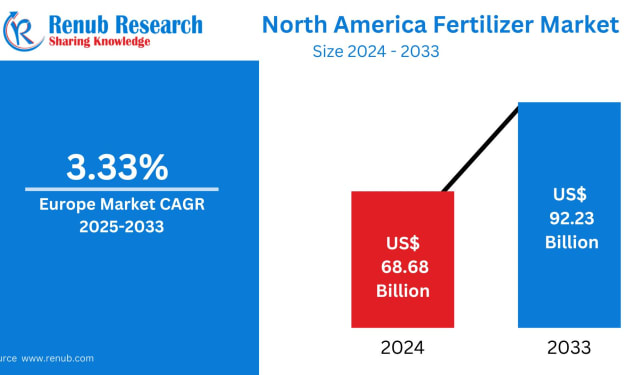
North America Fertilizer Market Size and Forecast 2025–2033
Introduction: Fertilizer as the Backbone of Modern Agriculture The fertilizer industry remains one of the most critical pillars supporting global food production, and in North America, its importance is growing stronger with each passing year. Fertilizers—whether organic or inorganic—play a vital role in replenishing soil nutrients, improving crop yields, and sustaining long-term soil fertility. As the region faces increasing food demand, climate pressure, and the need for sustainable agricultural practices, fertilizers are becoming more advanced, efficient, and environmentally responsible.
By Aaina Oberoi2 days ago in Earth



Comments
There are no comments for this story
Be the first to respond and start the conversation.