
Gilgit: Where the Earth Touches Heaven and Whispers in Waterfalls
Gilgit is a sacred space, not just for its natural beauty, but for the sense of belonging it gives to anyone who steps into its magic. It’s a place where the earth touches heaven—not just in altitude, but in spirit.
---
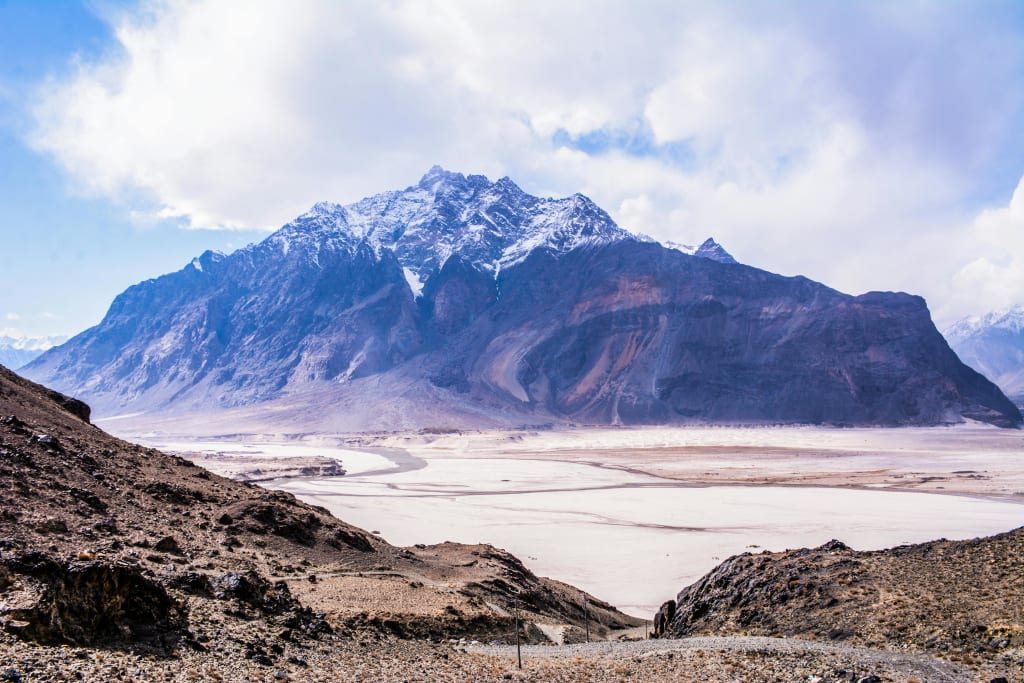
Have you ever stood somewhere so overwhelmingly beautiful that your breath caught in your throat, your mind went silent, and your soul just listened? That’s Gilgit. Tucked in the northern folds of Pakistan, Gilgit is not just a valley—it’s a wonder carved by glaciers, blessed by rivers, guarded by mountains, and alive with stories whispered through pine needles and the tumbling cascade of waterfalls.
A First Glimpse: More Than Just Mountains
Gilgit doesn’t reveal itself all at once. As you arrive—whether by the winding Karakoram Highway or descending onto the high-altitude Gilgit Airport—you’ll find yourself in a dream suspended between the earth and sky. The valley opens up like a secret. Towering mountains, some snowcapped year-round, pierce the heavens. These are not gentle hills; these are the likes of Rakaposhi, soaring at 7,788 meters, and the infamous Nanga Parbat, known as the “Killer Mountain,” shrouded in both mystery and majesty.
But Gilgit is not a frozen land of rock and ice. It breathes. It blooms. It sings.
Waterfalls That Seem to Come From Heaven
One of the most underrated charms of Gilgit is its waterfalls. Crystal ribbons of water tumble down from hidden glaciers and springs, crashing through gorges and forests. Some remain unnamed, wild and free, appearing suddenly after a bend in the road like nature’s own surprise.
In places like Bagrot Valley, these waterfalls feed vibrant green meadows and irrigate ancient apricot orchards. In Danyor, small waterfalls peek out from cliffs as if watching travelers with curiosity. The water is so clear, you can watch trout dancing in mountain pools. In the summer, the sound of rushing water becomes the valley’s pulse, a soothing rhythm that speaks to your deepest self.
A Symphony of Trees and Colors
The first thing you’ll notice as you explore deeper into Gilgit is the variety of trees. Majestic poplars line the roads like guardians. Willow trees droop gracefully over irrigation channels. And then there are the fruit trees—oh, the fruit trees!
Apricots, apples, cherries, mulberries, and almonds grow in abundance. In spring, the valleys turn into an impressionist painting—blush-pink cherry blossoms, snowy white apple flowers, and the golden hue of blooming apricots. By mid-summer, the trees are heavy with fruit. Villagers often invite you to pluck one straight from the branch. Bite into a sun-warmed apricot in Gilgit, and you’ll understand why this land has been treasured for centuries.
The air carries the scent of pine and cedar, of wet earth and ripening fruit. It's a cocktail of freshness no perfume can replicate.
Wildlife in the Wildest Corners
Think Gilgit is all about scenic beauty? Think again. Its ecosystem is a living museum. In the mountains surrounding Gilgit, elusive snow leopards roam silently. The Markhor, Pakistan’s majestic national animal with spiraling horns, traverses rocky cliffs with the grace of a dancer. You may even spot ibex, foxes, and Himalayan brown bears in the remotest corners.
Above, golden eagles soar, their wings wide against the canvas of the sky. Swallows and bulbuls fill the air with their calls. It's not uncommon to see a marmot peeking curiously from behind a boulder or a lynx slipping into shadow.
These animals don’t live in cages or conservation parks. They live freely—protected, respected, and often revered by the locals who have coexisted with them for generations.
The Human Heart of Gilgit
What makes Gilgit more than just a pretty place is its people. Hospitality isn’t a custom here—it’s a way of life. From small tea stalls on winding roads to village homes hidden between orchards, the people of Gilgit welcome you with open hearts and warm food.
Their culture is a rich tapestry woven from diverse threads—Wakhi, Shina, Burusho, and more. Each tribe has its language, music, and traditions, yet there's a unifying pride in being Gilgiti.
And oh, the music! Sit down with locals around a bonfire, and you might hear haunting tunes played on the sitar or rabab. The lyrics, often sung in local dialects, speak of lost love, high mountains, and rivers that remember every footstep.
Fruits of the Earth: A Taste You’ll Never Forget
Did you know that Gilgit produces some of the tastiest dried fruits in the world? Their sun-dried apricots are golden nuggets of flavor. Almonds are rich and sweet, perfect for snacking or steeping in warm milk. Even the walnuts are larger, more textured, and far more flavorful than anything you’d find in a supermarket.
You don’t just eat in Gilgit—you feast. And not in luxury hotels, but in family homes where the food is prepared from scratch, using vegetables grown in kitchen gardens and meat sourced from animals raised with care. Try their famous Chapshuro (a kind of meat pie), or a bowl of thick barley soup. Simple, wholesome, unforgettable.
Nature’s Lessons in Every Corner
Gilgit teaches you to slow down. To listen. To breathe deeply. In the embrace of its mountains, you realize how small your worries are. Watching children play under apple trees, you’re reminded of what joy looks like in its purest form.
This is not a place you rush through. You linger. You gaze. You let the silence speak.
A Final Word: A Treasure That Must Be Preserved
As more tourists discover Gilgit, there's an urgent need for responsible travel. Respect the culture. Don’t litter. Don’t disturb the wildlife. Take only memories and leave only footprints.
Gilgit is a sacred space, not just for its natural beauty, but for the sense of belonging it gives to anyone who steps into its magic. It’s a place where the earth touches heaven—not just in altitude, but in spirit.
So, if you ever find yourself yearning for a place that feels ancient and untouched, wild yet welcoming, beautiful beyond words—remember Gilgit.
Let it change you.
Let it awaken the mountain within you.
---
[
About the Creator
Keep reading
More stories from Umair Khan and writers in Earth and other communities.
The Amazon Rainforest: Earth's Beating Heart Is Dying in Silence
When people think of the Amazon Rainforest, they often picture an endless sea of green, teeming with exotic wildlife and ancient secrets. It's a place that has inspired adventurers, scientists, and storytellers for centuries. But while its mysteries captivate the imagination, there’s an even greater story unfolding—one of quiet tragedy and unexpected revelations. The Amazon isn’t just a forest; it's a biological miracle. And it’s in more danger than most people realize.
By Umair Khan10 months ago in Earth



Comments
There are no comments for this story
Be the first to respond and start the conversation.