

Future of world
The future of the world is difficult to predict, as it is subject to many uncertain and unpredictable factors. However, there are a number of key issues that are likely to shape the future of our planet in the coming years and decades.
One of the most pressing issues is climate change. The world is already experiencing the effects of a warming planet, from rising sea levels and more frequent extreme weather events to changes in rainfall patterns and increasing global temperatures. If left unchecked, these effects are likely to have devastating consequences for ecosystems, economies, and human societies around the world.
Another important issue is the growing population of the planet. The global population is projected to reach nearly 10 billion people by 2050, which will put increasing strain on the planet's resources and lead to challenges such as food and water scarcity, as well as the displacement of people due to rising sea levels, extreme weather events and conflict.
The future of work also will be increasingly shaped by technology and automation. The rise of artificial intelligence, robotics, and other technological advancements will change the way we work and the types of jobs that are available, leading to job displacement and requiring retraining and up skilling of the workforce.
The future will also be shaped by global politics, including the balance of power between nations, the rise of nationalism and populist movements, and the role of international organizations in addressing global challenges such as poverty, inequality, and climate change.
Finally, future will also be impacted by the impact of health epidemics, economic crisis and other unforeseen events. It's hard to predict these events and how will shape the future, but one thing is certain, the ability to adapt and be flexible will be key to navigate these challenges.
Future World Advantages
In a future world, there are a number of potential advantages that could be realized. Some of these include:
1. “Increased automation and technology” could lead to greater efficiency and productivity, allowing us to accomplish more in less time.
2. Advances in medicine and biotechnology could lead to longer lifespans and better health for all.
3. “Renewable energy” sources could become more prevalent, leading to a reduction in the use of fossil fuels and a decrease in air pollution and carbon emissions.
4. “Increased connectivity through technology” could lead to better communication and collaboration between people, organizations, and even countries.
5. Self-driving cars and other forms of transportation could lead to reduced traffic and fewer accidents.
6. “Virtual and augmented reality technology” could open up new opportunities for education, entertainment, and other areas.
7. Smart cities with integrated technology could lead to better urban planning and more sustainable living.
8. Increased use of robots and AI in manufacturing could lead to more customized products, lower costs, and fewer jobs in dangerous and repetitive industries.
9. Advancements in the field of genomics could lead to personalized medicine and treatments. Improved access to information and knowledge could lead to more informed decision-making and a better-informed citizenry
It's important to note that these advantages may come with some downside as well like “job displacement or loss of privacy, economy crisis, or even security concerns”. But, future world has its own unique set of challenges and opportunities and it's up to us to make the most of them
Future World Disadvantages
While there are many potential advantages to a future world, there are also several potential disadvantages that could arise. Some of these include:
1. Job displacement and economic inequality as automation and technology take over certain jobs.
2. Loss of privacy and security as more personal information is stored online and accessible to others.
3. Dependence on technology could lead to a loss of basic skills and knowledge.
4. Overreliance on algorithms and artificial intelligence could lead to a lack of human decision-making and accountability.
5. The increasing use of robots and AI in manufacturing could lead to a decrease in demand for human labor, resulting in higher unemployment.
6. Overpopulation as a result of longer lifespans could put strain on natural resources and the environment.
7. Increased use of robots and AI in warfare could lead to more destructive and deadly conflicts.
8. Climate change and other environmental challenges could become more severe, leading to increased natural disasters, food and water shortages, and other problems.
9. The increasing use of virtual reality and augmented reality could lead to a blurring of the lines between what is real and what is not, potentially creating confusion and disorientation.
10. Advances in biotechnology could lead to new ethical and moral dilemmas such as genetic engineering, designer babies and more.
11. The gap between haves and have-nots could increase and create more socio-economic challenges.
It's important to note that these disadvantages are not predetermined and could be mitigated through thoughtful and proactive policy making, research and development, and responsible use of the technology. “As a society, we must strive to balance progress and innovation with preservation of values such as privacy, security, and human rights”.
About the Creator
Keep reading
More stories from Jeevan Prasanth and writers in Earth and other communities.
Climate Change
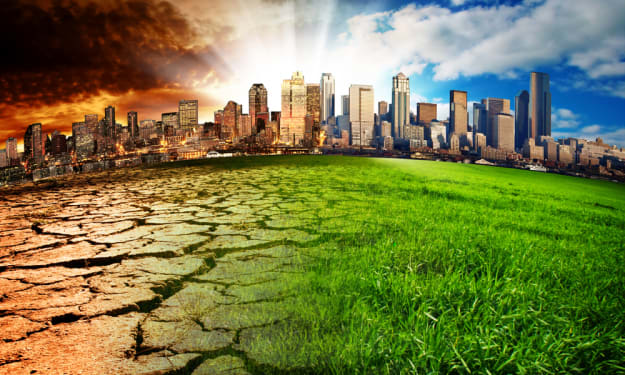
Climate change Climate change refers to the long-term changes in the Earth's climate, including changes in temperature, precipitation, and weather patterns. It is caused primarily by the burning of fossil fuels such as coal, oil, and natural gas, which releases greenhouse gases (such as carbon dioxide and methane) into the atmosphere. These gases trap heat from the sun and cause the Earth's temperature to rise, leading to a number of changes in the climate.
By Jeevan Prasanth 3 years ago in Earth
Human Revenge: A Hidden Cause Behind the Decline of Snow Leopards
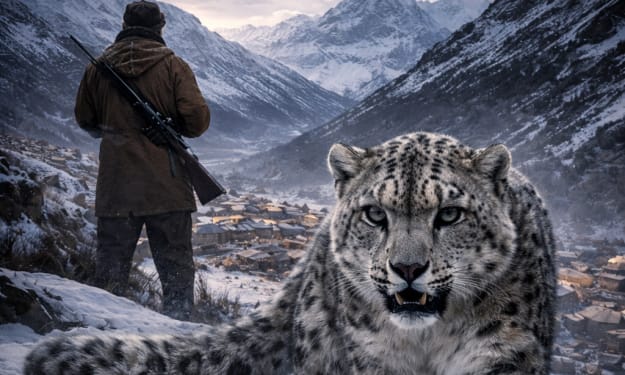
High in the rugged mountains of Central and South Asia lives one of the world’s most mysterious and beautiful big cats—the snow leopard. Known for its thick grey-white fur, long tail, and incredible ability to blend into rocky landscapes, this elusive predator has fascinated scientists and wildlife lovers for decades. Yet despite its beauty and ecological importance, the snow leopard faces a growing threat: human revenge.
By Irshad Abbasi 5 days ago in Earth


Comments
There are no comments for this story
Be the first to respond and start the conversation.