
From Trash to Treasure: The World of Upcycling and Sustainable Design
Reducing Waste and Making a Difference

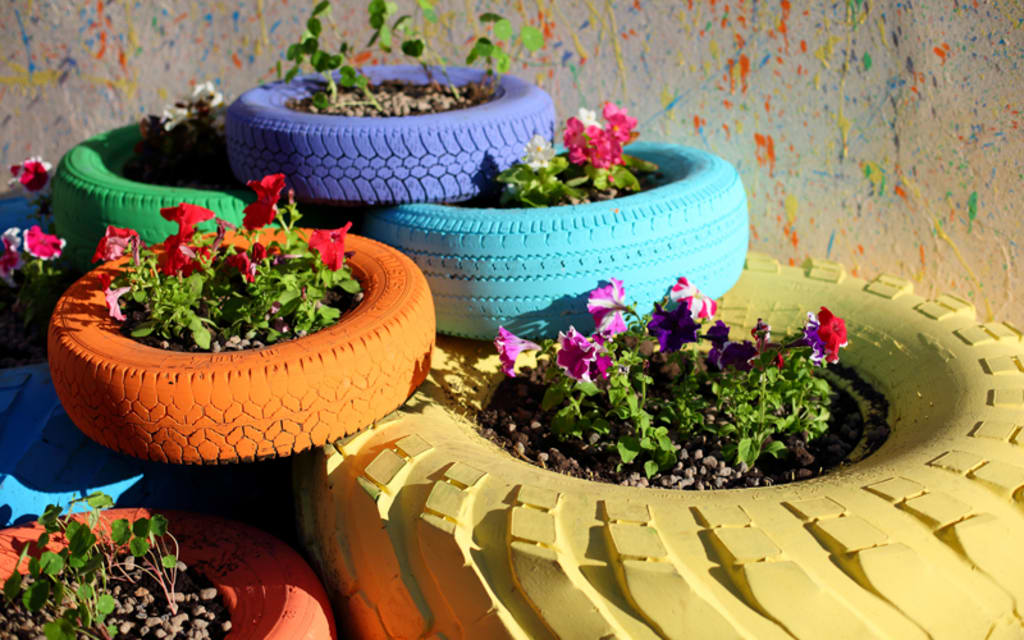
In today's world, where environmental sustainability is becoming increasingly crucial, the concepts of upcycling and sustainable design are gaining significant attention. Upcycling refers to the process of transforming discarded materials or products into new items of higher value and quality. It is a creative and innovative approach that not only reduces waste but also promotes resource conservation. This article explores the world of upcycling and sustainable design, shedding light on its importance, techniques, and impact on the environment.
I. The Concept of Upcycling
A. Recycling vs. Upcycling: What's the Difference?
Recycling and upcycling are often used interchangeably, but they have distinct differences. While recycling involves breaking down materials to create new products, upcycling focuses on repurposing existing materials without breaking them down. Upcycling adds value to the original item, giving it a new purpose and extending its lifespan.
B. Benefits of Upcycling
Upcycling offers several benefits that make it an attractive practice. Firstly, it reduces the amount of waste going into landfills, alleviating the burden on the environment. Secondly, upcycling promotes resource conservation by minimizing the need for new raw materials. Additionally, upcycling encourages creativity and innovation, allowing individuals to express their artistic talents while contributing to sustainability efforts.
II. The Environmental Impact of Upcycling
A. Reduction of Waste in Landfills
One of the significant environmental impacts of upcycling is the reduction of waste in landfills. By repurposing materials that would otherwise be discarded, upcycling helps divert waste from ending up in these overflowing landfills. This not only conserves landfill space but also reduces the release of harmful chemicals and greenhouse gases that contribute to climate change.
B. Conservation of Resources
Upcycling plays a crucial role in resource conservation. Instead of relying solely on the extraction of new raw materials, upcycling utilizes existing resources. This reduces the demand for virgin materials, such as timber, metals, and plastics, which often require energy-intensive processes to extract and refine. By repurposing and reimagining materials, upcycling helps conserve natural resources and minimizes the environmental impact associated with resource extraction.
C. Decreased Energy Consumption
Another significant environmental benefit of upcycling is the reduction in energy consumption. The production of new materials and products requires significant amounts of energy, often derived from fossil fuels. In contrast, upcycling bypasses the energy-intensive manufacturing processes involved in creating new products. By giving new life to discarded items, upcycling conserves energy and reduces greenhouse gas emissions associated with manufacturing processes.
III. Upcycling Techniques and Examples
A. Repurposing Furniture
Furniture upcycling is a popular technique that involves transforming old or worn-out pieces into unique and stylish creations. With a little creativity and DIY skills, outdated dressers, tables, and chairs can be given a fresh new look. By sanding, painting, and adding new hardware, these pieces can be transformed into statement pieces that add character to any space. Repurposing furniture not only saves money but also prevents furniture from ending up in landfills.
B. Creative Use of Materials
Upcycling is all about thinking outside the box and finding creative ways to use materials that would otherwise be discarded. Everyday items like glass bottles, tin cans, and pallets can be repurposed into functional and decorative objects. For example, glass bottles can be transformed into beautiful vases or unique lighting fixtures. Tin cans can become stylish planters or storage containers. Pallets can be repurposed into outdoor furniture or wall shelves. The possibilities are endless when it comes to creatively repurposing materials.
C. Upcycled Fashion and Accessories
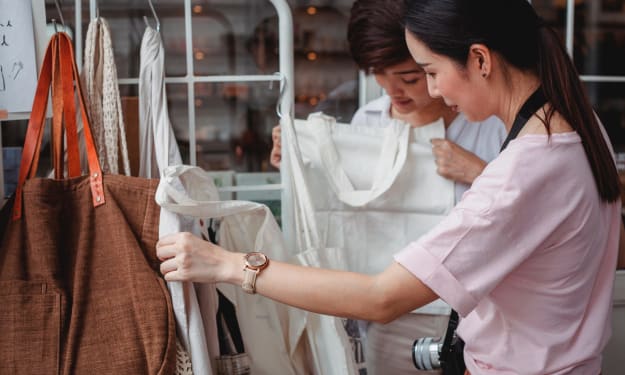
The fashion industry is notorious for its environmental impact. However, upcycling offers an eco-friendly alternative to fast fashion. Thrift stores and vintage shops are treasure troves for finding unique pieces that can be upcycled into fashionable clothing and accessories. With some sewing skills, old garments can be transformed into trendy outfits or accessories like bags and scarves. Upcycling fashion not only reduces textile waste but also allows individuals to express their personal style in a sustainable way.
IV. Upcycling in Interior Design
A. Sustainable Home Décor Ideas
Incorporating upcycled elements into interior design adds a unique touch to any space while promoting sustainability. Vintage furniture, reclaimed wood, and salvaged materials can be used to create a rustic and eclectic look. Upcycled home decor items like wall art made from reclaimed materials, repurposed wine crates as storage shelves, or old doors transformed into coffee tables can elevate the aesthetic of a room while reducing environmental impact.
B. Upcycled Lighting Fixtures
Lighting fixtures can be upcycled to create eye-catching focal points in a room. For example, old mason jars can be turned into pendant lights, and vintage teacups can become charming lampshades. By combining creativity and DIY skills, unique and sustainable lighting options can be created, adding warmth and personality to any space.
V. Upcycling in Fashion and Accessories
A. Thrift Store Finds and Vintage Fashion
Thrift stores and vintage shops are treasure troves for finding one-of-a-kind clothing pieces. By shopping second-hand, individuals can embrace sustainable fashion and reduce the demand for new clothing production. Vintage fashion offers timeless style and unique pieces that can be incorporated into modern wardrobes. Shopping at thrift stores not only helps reduce textile waste but also supports local businesses and charities.
B. DIY Upcycled Clothing Projects
For those with a passion for creativity and fashion, DIY upcycled clothing projects provide endless opportunities. Old jeans can be transformed into trendy shorts or skirts, and oversized shirts can be tailored to create stylish tops. Adding embellishments, patches, or embroidery can give new life to worn-out garments. With some basic sewing skills and a bit of imagination, anyone can turn old clothes into unique and personalized fashion statements.
C. Upcycled Jewelry and Accessories
Jewelry and accessories can also be upcycled, offering a sustainable alternative to mass-produced accessories. Broken or mismatched jewelry pieces can be repurposed to create new designs. Vintage buttons can be turned into statement earrings, and old belts can be transformed into stylish bracelets. Upcycled accessories not only showcase individuality but also contribute to reducing waste in the fashion industry.
VI. Upcycling in Art and Crafts
A. Artwork and Sculptures
Artists and crafters often find inspiration in discarded materials. Upcycled artwork and sculptures showcase creativity and environmental consciousness. From sculptures made of recycled metal and plastic to collages created with old magazines and newspapers, upcycled art challenges traditional notions of materials and aesthetics. Through their creations, artists raise awareness about the potential beauty that lies within discarded objects.
B. Creative Use of Everyday Objects
Upcycling extends beyond furniture, fashion, and art—it can be applied to everyday objects as well. By repurposing items like glass jars, wine corks, and cardboard boxes, individuals can create functional and decorative objects for their homes. For example, glass jars can be used as candle holders or storage containers, wine corks can be turned into bulletin board pins, and cardboard boxes can be transformed into magazine holders. Upcycling everyday objects not only reduces waste but also sparks creativity and resourcefulness.
VII. The Economics of Upcycling
A. Cost-Effectiveness of Upcycling
Upcycling offers a cost-effective alternative to purchasing new items. Instead of buying expensive new furniture or clothing, individuals can find affordable second-hand items and upcycle them to suit their style. DIY upcycling projects often require minimal investment, as many materials can be sourced for free or at low cost. By embracing upcycling, individuals can save money while reducing their environmental footprint.
B. Supporting Local Artisans and Entrepreneurs
Upcycling also supports local artisans and entrepreneurs who specialize in creating upcycled products. By purchasing their unique creations, individuals contribute to the growth of a sustainable economy. Supporting local businesses and artisans helps foster a sense of community and encourages the development of creative solutions to environmental challenges.
VIII. Challenges and Solutions in Upcycling
A. Sourcing Materials
One of the challenges in upcycling is finding suitable materials for projects. It requires creativity and resourcefulness to identify discarded items that can be repurposed. Thrift stores, flea markets, and online marketplaces can be great sources for finding materials. Additionally, building a network and connecting with local communities or businesses that generate waste can provide access to a variety of materials for upcycling projects.
B. Overcoming Design Limitations
Upcycling often involves working with existing materials and structures, which may present design limitations. However, these limitations can also spark innovation and push the boundaries of creativity. Embracing the uniqueness of each material and finding creative solutions to design challenges can result in truly remarkable upcycled creations.
C. Promoting Upcycled Products in the Market
Despite the growing popularity of upcycling, promoting upcycled products in the market can still be a challenge. Overcoming the perception that upcycled products are of lesser quality requires effective marketing and storytelling. Highlighting the environmental benefits, the craftsmanship, and the unique stories behind each upcycled item can help change the narrative and educate consumers about the value and beauty of upcycled products. Collaborations with influencers, partnerships with sustainable brands, and participation in eco-conscious events can also help increase the visibility and demand for upcycled products.
IX. The Future of Upcycling
A. Growing Popularity and Awareness
The future of upcycling looks promising as more people become aware of the environmental and creative benefits it offers. The shift towards a more sustainable lifestyle and the desire for unique and meaningful products drive the growing popularity of upcycling. With increased awareness, individuals are embracing upcycling as a way to reduce waste, express their creativity, and make a positive impact on the planet.
B. Collaboration Between Designers and Up-cyclers
The collaboration between designers and up-cyclers is an exciting trend that is shaping the future of sustainable design. Designers bring their expertise in aesthetics and functionality, while up-cyclers contribute their creativity and resourcefulness. Together, they can create innovative and high-quality upcycled products that appeal to a broader audience. Collaborations between designers and up-cyclers also foster knowledge exchange and push the boundaries of what is possible in the realm of sustainable design.
X. Conclusion
From trash to treasure, the world of upcycling and sustainable design offers a compelling solution to the challenges of waste and resource depletion. Upcycling goes beyond recycling by repurposing materials and giving them new life and value. By embracing upcycling, we can reduce waste in landfills, conserve resources, and minimize energy consumption. From furniture and fashion to art and everyday objects, upcycling offers endless creative possibilities. With growing popularity and collaborations between designers and upcyclers, the future of upcycling looks promising. So, let's join the upcycling movement and transform trash into beautiful treasures for a more sustainable world.
XI. FAQs (Frequently Asked Questions)
Q: What is the difference between upcycling and recycling?
A: Upcycling involves transforming discarded materials into new products of higher value, while recycling involves breaking down materials to create new products. Upcycling adds value to the original item, while recycling focuses on the extraction of raw materials.
Q: How can I start upcycling at home?
A: You can start upcycling at home by looking for materials that can be repurposed, such as old furniture, clothing, or everyday objects. Get creative and think about how you can give these items a new purpose or look. There are also many online resources and tutorials available that provide inspiration and guidance for upcycling projects.
Q: Are upcycled products of lesser quality?
A: No, upcycled products can be of high quality and even unique compared to mass-produced items. Upcycling often involves a creative and meticulous process that transforms materials into something new and valuable. Many upcycled products showcase excellent craftsmanship and attention to detail.
Q: Can upcycling help reduce carbon emissions?
A: Yes, upcycling can contribute to the reduction of carbon emissions. By repurposing materials instead of creating new ones, upcycling minimizes the energy-intensive processes involved in manufacturing. This leads to a decrease in greenhouse gas emissions associated with the production of new materials and products.
Q: Where can I find upcycled products for purchase?
A: Upcycled products can be found in various places. Thrift stores, vintage shops, and online marketplaces often offer a wide range of upcycled items. Additionally, local artisan markets, eco-conscious retailers, and sustainable fashion brands may carry upcycled products. Exploring these avenues can help you find unique and sustainable upcycled products to support and enjoy.
About the Creator
Aditi
I Love to Write, I hope you love to read
The Star That Keeps Dimming for No Known Reason
In 2015, astronomers analyzing data from NASA's Kepler Space Telescope discovered a star designated KIC 8462852, located about 1,470 light-years from Earth in the constellation Cygnus, that was exhibiting brightness fluctuations unlike anything that had been observed in over 150,000 stars surveyed by the Kepler mission, and the pattern of dimming was so unusual and irregular that it could not be explained by any known natural phenomena including planets orbiting the star, stellar pulsations, or dust clouds, leading some scientists to seriously propose that the dimming might be caused by artificial structures built by an advanced alien civilization, specifically something like a Dyson swarm of solar collectors orbiting the star to harvest its energy, though this explanation while exciting was considered a hypothesis of last resort only to be entertained after all natural explanations had been exhaustively ruled out. The star, which became known informally as Tabby's Star after astronomer Tabetha Boyajian who led the research team studying it, showed dimming events where its brightness dropped by up to 22 percent, far more than could be explained by a planet passing in front of it, which typically causes dimming of only a fraction of a percent, and the dimming events were irregular and aperiodic, meaning they did not repeat on any predictable schedule, and different dimming events had different characteristics with some showing gradual dimming over days and others showing more sudden brightness drops.
By The Curious Writerabout 13 hours ago in Earth


Comments
There are no comments for this story
Be the first to respond and start the conversation.