
The Rise of Sustainable Fashion
How Ethical Choices are Reshaping the Industry...

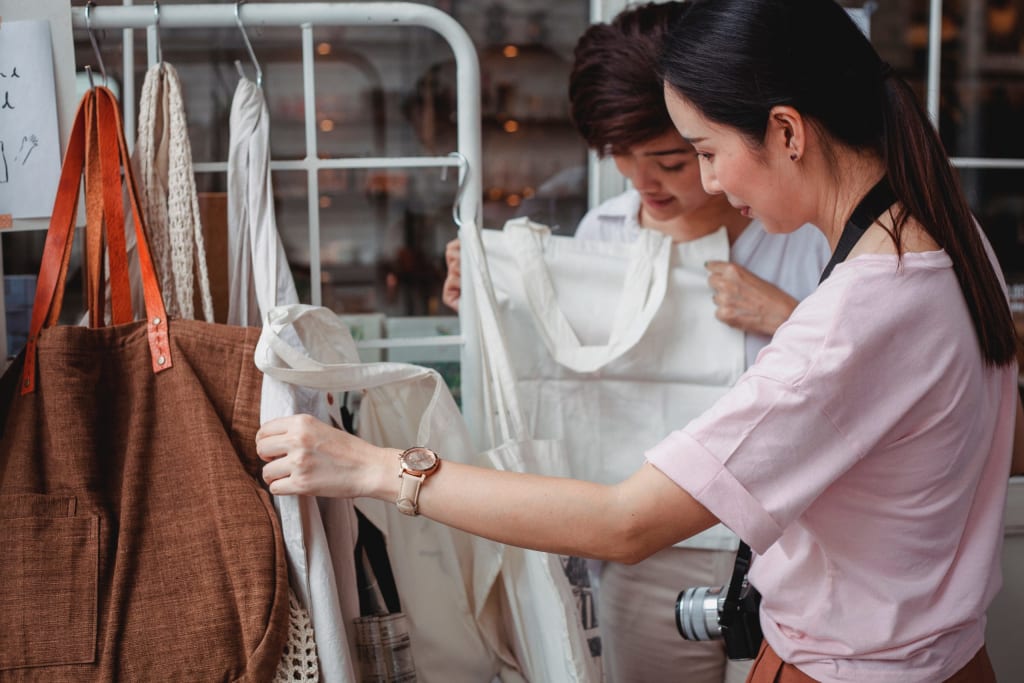
The fashion industry has traditionally been associated with glamour, trends, and rapid consumption. However, in recent years, a new movement has emerged that seeks to revolutionize the way we produce and consume fashion. Sustainable fashion, also known as ethical fashion, is gaining momentum as consumers and industry leaders recognize the need for change. In this article, we will explore the rise of sustainable fashion and how ethical choices are reshaping the industry.
2. Understanding Sustainable Fashion
2.1 What is Sustainable Fashion?
Sustainable fashion encompasses various practices and principles aimed at reducing the negative impact of the fashion industry on the environment and society. It involves considering the entire lifecycle of a garment, from design and sourcing to manufacturing and disposal. Sustainable fashion emphasizes social responsibility, environmental stewardship, and ethical production.
2.2 The Importance of Ethical Choices
Ethical choices play a crucial role in reshaping the fashion industry. By opting for sustainable fashion, consumers and industry players can contribute to a more equitable and environmentally conscious future. Ethical choices prioritize fair labor practices, worker safety, animal welfare, and the preservation of natural resources.
3. The Environmental Impact of the Fashion Industry
3.1 Fast Fashion and its Consequences
Fast fashion has become synonymous with cheap, trendy clothing produced at a rapid pace. However, this business model has significant environmental consequences. Fast fashion relies on the overconsumption of resources, mass production, and quick disposal, leading to excessive waste and pollution.
3.2 Pollution and Waste
The fashion industry is a major contributor to pollution, with textile dyeing and treatment being a significant culprit. Harmful chemicals used in dyeing processes often find their way into water bodies, causing environmental damage. Additionally, the disposal of vast amounts of clothing in landfills leads to further pollution and waste accumulation.
3.3 Deforestation and Resource Depletion
The fashion industry's demand for raw materials, such as cotton and leather, contributes to deforestation and resource depletion. Large-scale farming of cotton requires extensive land use and often involves the use of harmful pesticides. Similarly, the production of leather requires significant amounts of water and contributes to the destruction of natural habitats.
4. Social Implications of Unethical Fashion Practices
4.1 Exploitation of Workers
Unethical fashion practices often involve the exploitation of workers, particularly in low-income countries where labor regulations may be lax. Garment workers are frequently subjected to low wages, long working hours, and unsafe conditions. This exploitation perpetuates cycles of poverty and inequality.
4.2 Unsafe Working Conditions
In pursuit of maximizing profits, some fashion brands overlook safety regulations, leading to hazardous working conditions. Workers may face risks such as exposure to toxic chemicals, inadequate protective gear, and accidents due to poor infrastructure. These conditions not only endanger workers' lives but also violate their basic rights.
4.3 Human Rights and Labor Issues
The fashion industry has faced criticism for its involvement in human rights and labor issues. Forced labor, child labor, and poor working conditions are prevalent in certain regions of garment production. Ethical choices in fashion can help address these issues by supporting brands that prioritize fair labor practices and human rights.
5. The Role of Sustainable Materials and Processes
5.1 Eco-Friendly Fabrics
Sustainable fashion promotes the use of eco-friendly fabrics, such as organic cotton, hemp, and bamboo. These materials are grown without harmful chemicals and require less water and energy compared to conventional fabrics. Additionally, innovative materials like recycled polyester and vegan leather offer alternatives to traditional, resource-intensive materials.
5.2 Upcycling and Recycling
Upcycling and recycling play a significant role in sustainable fashion. Upcycling involves transforming old or discarded garments into new pieces, reducing waste and extending the lifespan of clothing. Recycling, on the other hand, involves converting textile waste into new fibers or materials, reducing the need for virgin resources.
5.3 Ethical Manufacturing
Ethical manufacturing practices prioritize transparency, fair wages, and safe working conditions. Brands that value ethical manufacturing ensure that their supply chains adhere to strict social and environmental standards. This includes monitoring the treatment of workers, minimizing waste, and reducing carbon emissions throughout the production process.
6. Ethical Fashion Brands Leading the Way
6.1 Patagonia: A Model for Sustainability
Patagonia is a renowned outdoor clothing brand known for its commitment to sustainability. They prioritize the use of recycled materials, fair trade practices, and transparency in their supply chain. Patagonia's advocacy for environmental and social causes has positioned them as a leader in the sustainable fashion movement.
6.2 Stella McCartney: The Pioneering Luxury Brand
Stella McCartney is a luxury brand that has made significant strides in promoting sustainable and ethical fashion. The brand is known for its vegetarian and cruelty-free approach, refusing to use leather, fur, or exotic skins. Stella McCartney demonstrates that luxury and sustainability can coexist, inspiring other high-end fashion labels to adopt ethical practices.
6.3 Everlane: Transparency and Quality
Everlane is a brand recognized for its transparency and commitment to quality products. They provide detailed information about their supply chain, including the factories and materials used for each garment. Everlane focuses on fair pricing, ensuring that consumers understand the true cost of production and the value they receive.
7. Consumer Power: Making Ethical Choices
7.1 The Rise of Conscious Consumers
As awareness of the environmental and social impact of fashion grows, so does the number of conscious consumers. People are increasingly making purchasing decisions based on ethical considerations. This shift in consumer behavior has the power to drive change and encourage the fashion industry to adopt sustainable practices.
7.2 Educating and Empowering Consumers
Educating consumers about the impact of their choices is crucial in promoting sustainable fashion. Through awareness campaigns, educational resources, and transparent labeling, consumers can make informed decisions and understand the importance of supporting ethical brands. Empowering consumers with knowledge allows them to become advocates for change within the fashion industry.
7.3 Tips for Shopping Ethically
- Research brands: Look for brands that prioritize sustainability, ethical sourcing, and transparent production practices. Check for certifications and labels that indicate their commitment to responsible fashion.
- Quality over quantity: Invest in well-made, durable pieces that will last longer and reduce the need for constant replacements.
- Secondhand and vintage shopping: Explore thrift stores, consignment shops, and online platforms for unique and pre-loved fashion items. This reduces waste and supports a circular economy.
- Rent or borrow: Consider renting clothing for special occasions or utilizing clothing rental services, minimizing the need for buying new items that may only be worn once.
- Take care of your clothes: Properly care for your garments by following the care instructions, repairing when needed, and avoiding excessive washing and drying. This extends their lifespan.
8. The Future of Sustainable Fashion
8.1 Innovation and Technological Advances
The future of sustainable fashion lies in innovation and technological advancements. Researchers and designers are exploring alternative materials, such as lab-grown fabrics and biodegradable textiles. Advanced manufacturing processes, like 3D printing, can reduce waste and enable on-demand production, minimizing excess inventory.
8.2 Collaboration and Industry Initiatives
Collaboration among fashion brands, industry stakeholders, and policymakers is essential in driving sustainable change. Initiatives such as the Sustainable Apparel Coalition and Fashion Revolution encourage collaboration, transparency, and shared responsibility. By working together, the industry can establish more sustainable standards and practices.
8.3 Shifting Paradigms in Fashion
The rise of sustainable fashion signifies a shift in consumer values and demands. As more people embrace ethical choices, the industry is compelled to adapt. Fashion houses, retailers, and designers are incorporating sustainability into their core values, demonstrating that it is not just a trend but a necessary transformation.
9. Conclusion
The rise of sustainable fashion represents a significant shift in the industry, driven by the recognition of environmental and social consequences. Ethical choices are reshaping the way fashion is produced and consumed, leading to a more sustainable and responsible future. By prioritizing eco-friendly materials, ethical manufacturing, and conscious consumerism, the fashion industry can mitigate its impact and pave the way for a more ethical and sustainable future.
10. FAQs (Frequently Asked Questions)
Q: What is the difference between sustainable fashion and fast fashion?
A: Sustainable fashion focuses on environmentally and socially responsible practices throughout the entire fashion supply chain. Fast fashion, on the other hand, emphasizes quick and cheap production, often at the expense of workers' rights and the environment.
Q: How can I support sustainable fashion on a budget?
A: There are several ways to support sustainable fashion on a budget. Consider shopping secondhand, participating in clothing swaps, or renting clothes for special occasions. Additionally, investing in high-quality, timeless pieces that will last longer can be more cost-effective in the long run.
Q: Are sustainable fashion brands more expensive?
A: While some sustainable fashion brands may have higher price points due to their commitment to ethical production and materials, there is a growing range of affordable sustainable options available. Shopping secondhand or looking for ethical fashion sales can also help make sustainable fashion more accessible.
Q: Can sustainable fashion really make a difference in the industry?
A: Yes, sustainable fashion has the power to make a significant difference in the industry. As more consumers demand ethical and sustainable products, brands are compelled to change their practices. Additionally, industry collaborations and initiatives promote widespread adoption of sustainable standards and encourage systemic change.
Q: Are sustainable fashion choices limited to clothing?
A: No, sustainable fashion extends beyond clothing. It includes accessories, footwear, and even beauty products. Ethical choices can be made in every aspect of the fashion industry, including the materials used, production processes, and overall brand values. By considering sustainability in all aspects of fashion, we can make a broader positive impact.
About the Creator
Aditi
I Love to Write, I hope you love to read
The Reality of the Illusion of Time
Recently, as I strolled along the short stretch to my strength training session, I aimlessly took in the row of tatty shops and shabby buildings along the route and passed an off-street, in which one of my sisters used to live, around thirteen years ago.
By Chantal Christie Weiss6 days ago in Earth
Chameleon: Nature’s Master of Disguise
Few creatures in the animal kingdom capture the imagination quite like the chameleon. Known for its ability to change color, its slow, deliberate movements, and its incredible eyes that move independently, the chameleon is one of nature’s most extraordinary reptiles. These small but remarkable creatures have inspired scientists, photographers, and animal lovers for centuries.
By Aarif Lashariabout 21 hours ago in Earth
How to Succeed at the Benson Directory®
Congratulations and welcome to the Benson Directory® employee #22391! As our newest call handler, you will have the privilege of speaking with dozens of unique and interesting people on a daily basis as well as the opportunity to earn bonuses for high performance. Contained within this handbook you will find a set of ease to follow instructions designed to help you settle in to your new role and begin paving the way to success.
By S. A. Crawford3 days ago in Fiction




Comments
There are no comments for this story
Be the first to respond and start the conversation.