
From Awareness to Action
How Educational Initiatives Are Empowering Individuals to Prepare for Earthquakes
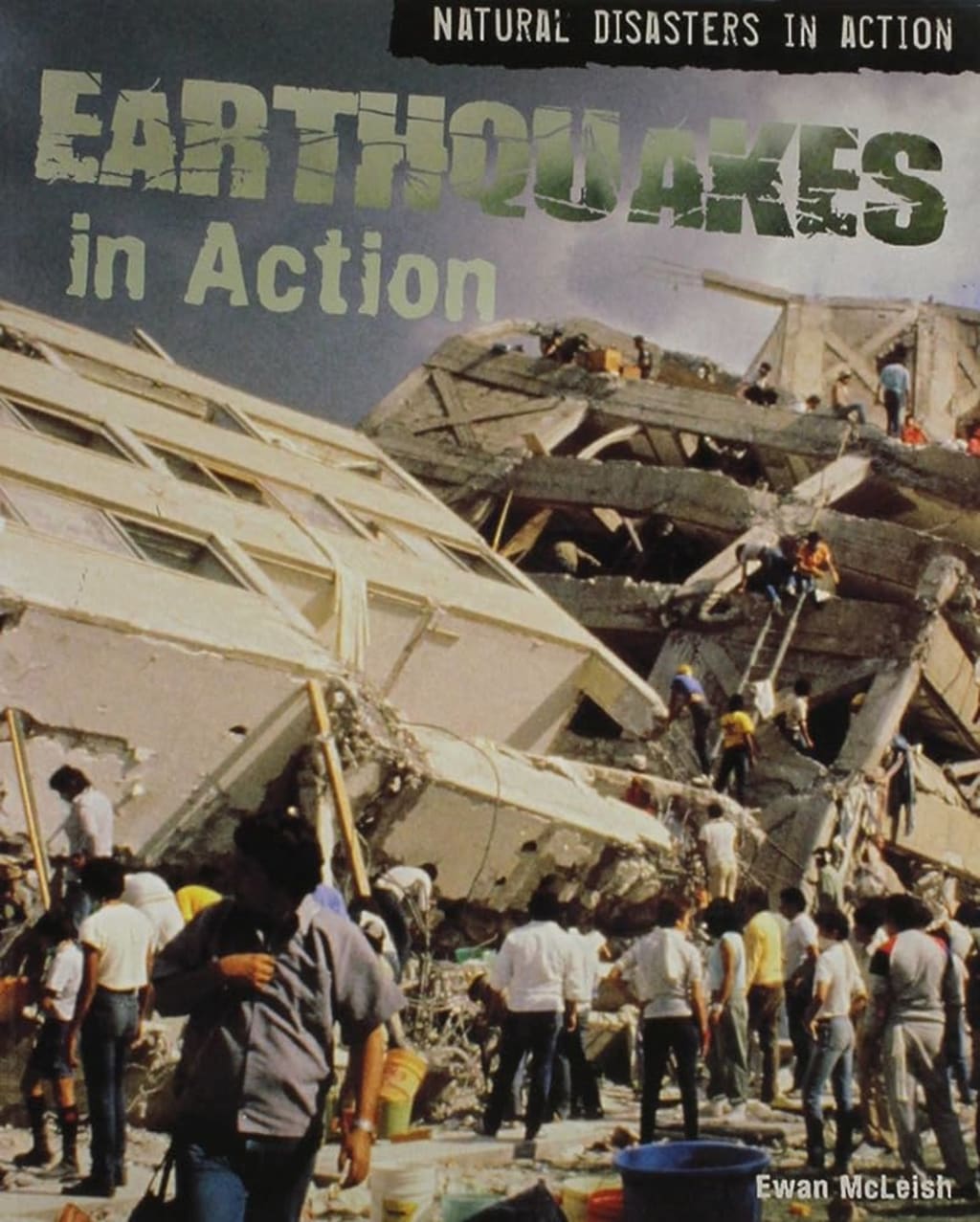
Once upon a time, in a small town nestled in the heart of a seismic active region, there lived a community that was plagued by the fear of earthquakes. The townspeople constantly worried about the devastating impact these natural disasters could have on their lives and homes. However, amidst the fear and uncertainty, a ray of hope emerged in the form of educational initiatives that aimed to empower individuals to prepare for earthquakes.
The town's educational institutions, recognizing the urgency of the situation, decided to incorporate earthquake preparedness into their curriculum. They believed that knowledge was the key to empowerment, and by educating the younger generation, they could create a ripple effect that would extend to the entire community.
Students eagerly embraced this newfound focus on earthquake preparedness. They learned about the science behind earthquakes, how they occur, and the areas most susceptible to seismic activity. They understood the importance of early warning systems and the need to take immediate action when an earthquake was imminent.
These educational initiatives also emphasized the significance of community involvement. Students were taught about the importance of working together in times of crisis and the role each individual played in ensuring the safety of their neighbors. They participated in mock drills, learning how to react quickly and efficiently in emergency situations.
The knowledge gained from these initiatives spilled over into the homes of the students, as they shared what they had learned with their families. Parents and guardians, initially skeptical of the effectiveness of such programs, slowly began to see the value in earthquake preparedness. They realized that the safety of their loved ones depended on their own willingness to educate themselves and take appropriate precautions.
The educational initiatives didn't stop at schools alone. Various organizations and authorities came together to offer workshops and seminars to adults in the community. These sessions covered topics such as creating emergency kits, securing furniture and heavy objects, and understanding insurance policies relevant to earthquake damage.
As the townspeople became more knowledgeable, their fear gradually transformed into a sense of empowerment. They began to feel confident in their ability to protect themselves and their homes. They actively engaged in community initiatives, joining neighborhood watch programs and volunteering for disaster response teams.
Local businesses also played a significant role in the educational initiatives. They recognized the need to support the community's efforts by actively promoting earthquake preparedness. Hardware stores offered discounts on earthquake-proofing supplies, while insurance companies provided informative brochures on coverage options.
Over time, the town became a shining example of a community that had successfully harnessed the power of education to prepare for earthquakes. The number of casualties and property damage decreased significantly, thanks to the proactive measures taken by individuals who were once merely fearful bystanders.
Word of the town's success spread far and wide, inspiring neighboring communities to embark on their own educational initiatives. The impact was felt on a larger scale, as more and more individuals became empowered to face the threat of earthquakes head-on.
Educational initiatives also aim to raise awareness about the overall impact of earthquakes on society, including the social, economic, and environmental aspects. By understanding the broader consequences of earthquakes, individuals can contribute to disaster planning and management efforts. This can involve participating in community drills, volunteering with local disaster relief organizations, or supporting policies and projects that promote resilience and sustainability.
In the end, it was the collective effort of the townspeople that made a difference. Through education and shared knowledge, they not only learned how to protect themselves but also instilled a sense of resilience within their community. Their story serves as a testament to the power of education in preparing for and mitigating the effects of natural disasters.
About the Creator
Keep reading
More stories from Onyeka Sebastine Okpalanwa and writers in Earth and other communities.
The Unyielding Strength
Earthquakes, the powerful and awe-inspiring natural phenomena, have captivated humanity since time immemorial. Shaking the very foundations of our planet, these seismic events hold a tremendous amount of energy that can both create devastation and reveal the true strength of our planet. In this article, we will explore the immense power held by earthquakes and how their understanding can help us build resilient societies in the face of these formidable forces.
By Onyeka Sebastine Okpalanwa 2 years ago in Earth
Hunt for the Names of Mysterious Dwarf Planets
Far beyond the familiar planets of our solar system lies a cold, dark region filled with icy bodies, ancient debris, and mysterious worlds yet to be fully understood. Among these distant objects are dwarf planets, many of which orbit on the fringes of our solar system in regions like the Kuiper Belt and beyond. While some, such as Pluto, have captured public imagination for decades, many others remain unnamed, sparking a fascinating hunt among astronomers to discover, study, and ultimately name these elusive celestial bodies.
By Aarif Lashari6 days ago in Earth




Comments
There are no comments for this story
Be the first to respond and start the conversation.