
The Unyielding Strength
Unveiling the Power Within Earthquakes
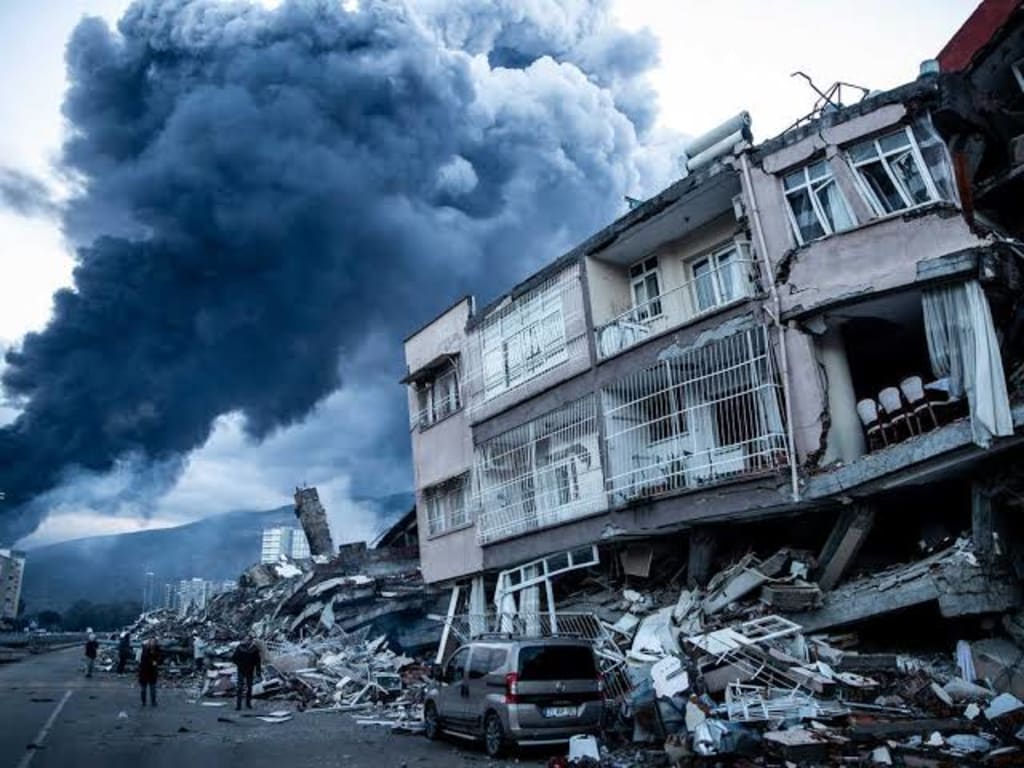
Earthquakes, the powerful and awe-inspiring natural phenomena, have captivated humanity since time immemorial. Shaking the very foundations of our planet, these seismic events hold a tremendous amount of energy that can both create devastation and reveal the true strength of our planet. In this article, we will explore the immense power held by earthquakes and how their understanding can help us build resilient societies in the face of these formidable forces.
What Causes Earthquakes? Before delving into the strength of earthquakes, it is essential to understand their origins. Earthquakes occur due to the sudden release of energy in the Earth's crust, which causes seismic waves to propagate through the ground. This release of energy can be triggered by various factors, including tectonic plate movements, volcanic activity, or human-induced actions such as mining or reservoir-induced seismicity.
Magnitude and Intensity: Earthquakes are typically measured using two scales: magnitude and intensity. Magnitude measures the total amount of energy released during an earthquake, while intensity assesses the effects and damage caused by the seismic shaking. Both scales provide valuable insights into the strength of an earthquake and its potential impact on human life and infrastructure.
The Richter scale, developed by Charles F. Richter in 1935, is widely used to measure earthquake magnitudes. This logarithmic scale quantifies an earthquake's strength based on the amplitude of seismic waves recorded by seismographs. Each increase of one unit on the Richter scale signifies a tenfold increase in the amplitude, translating to approximately 31.6 times more energy released.
Great Earthquakes: Some earthquakes stand out for their unprecedented strength. These so-called "great earthquakes" are defined by their magnitudes, which range from 8.0 and above on the Richter scale. Great earthquakes often occur along subduction zones, where two tectonic plates converge, resulting in intense shaking and significant geological effects. Famous examples include the 1906 San Francisco earthquake and the devastating 2011 Tohoku earthquake in Japan.
Earthquake-Resistant Design: Understanding the strength of earthquakes is crucial for developing earthquake-resistant infrastructure. Building codes and engineering practices around the world have evolved to mitigate the potentially disastrous consequences of seismic events. Techniques such as base isolation, damping systems, and reinforced structures help absorb and distribute the energy generated by earthquakes, reducing the impact on buildings and human lives.
Tsunamis: Earthquakes that occur under the ocean floor may trigger tsunamis, colossal oceanic waves capable of causing immense destruction along coastlines. These seismic sea waves propagate at high speeds and can travel across entire ocean basins, endangering coastal communities located thousands of kilometers away from the earthquake's epicenter. Understanding the strength and behavior of earthquakes is vital in assessing tsunami risks and implementing effective early warning systems.
Seismic Hazard Assessment: By studying historical earthquake records and conducting geological surveys, scientists can estimate the likelihood and potential strength of future earthquakes in specific regions. Seismic hazard assessments provide valuable information for urban planning, risk management, and disaster preparedness. Through these assessments, communities can identify vulnerable areas and implement measures to enhance resilience against seismic events.
The Human Resilience: Despite the destructive power of earthquakes, humanity has demonstrated remarkable resilience in recovering from the devastation caused by these natural disasters. From rebuilding shattered cities to providing support to affected communities, people come together to overcome adversity and create stronger societies. The strength of human determination and collective action plays a vital role in moving forward and building a more resilient future.
Earthquakes are a testament to the immense power and strength that our planet possesses. By understanding and respecting the forces behind these seismic events, we can harness this knowledge to create safer communities and develop innovative solutions for mitigating earthquake risks. As we continue to explore the realm of renewable energy sources and sustainable practices, let us not forget the significance of understanding the strength within earthquakes and how they shape our world.
About the Creator
Keep reading
More stories from Onyeka Sebastine Okpalanwa and writers in Earth and other communities.
Young Scientist's Promising Breakthrough in Renewable Energy
In a world increasingly concerned about climate change and the depletion of fossil fuels, the search for innovative and sustainable energy solutions has become a top priority. Amid this backdrop, a remarkable young scientist has emerged on the scene, capturing the attention of the scientific community and the general public alike. With unparalleled dedication and a thirst for knowledge, this visionary researcher has unearthed a groundbreaking discovery that has the potential to revolutionize the field of renewable energy. In this article, we delve into the story of this exceptional young scientist and the promising breakthrough they have achieved.
By Onyeka Sebastine Okpalanwa 2 years ago in Earth
Polar Vortex Collapse Forecast: What It Means and Why It Matters
Meteorologists and climate scientists are closely monitoring forecasts suggesting a possible polar vortex collapse, a rare but significant atmospheric event that can trigger severe winter weather across large parts of the Northern Hemisphere. While the term may sound dramatic, understanding what a polar vortex collapse actually means — and why it matters — is crucial for preparing for potential impacts on daily life, infrastructure, and economies.
By Aarif Lashariabout 22 hours ago in Earth


Comments
There are no comments for this story
Be the first to respond and start the conversation.