
From Ashes to Action: A Journey of Healing and Conservation
How the Devastation of a Wildfire Ignited a Global Movement for Change


Once upon a time, nestled within the breathtaking beauty of a lush forest, there lived a community of diverse creatures. The towering trees whispered stories of resilience and the flowing river nurtured life in abundance. Animals roamed freely, their playful chatter echoing through the woods. It was a world of harmony and balance, until an insidious visitor arrived—wildfire.
The spark that ignited the inferno was an unfortunate accident, but the consequences were devastating. The flames danced greedily, consuming everything in their path. Trees, once standing tall and proud, succumbed to the scorching blaze, their leaves withering away into ash. The once vibrant forest transformed into a desolate wasteland.
Amidst the chaos, panic gripped the animal kingdom. The creatures raced frantically, seeking refuge from the encroaching danger. The skies darkened with smoke, obscuring the sun's gentle glow. The air grew heavy with an acrid scent, stinging their sensitive noses and making it difficult to breathe. Fear etched deep into their eyes as they realized the imminent threat to their lives and homes.
For the animals, the loss was immeasurable. Their habitats, carefully constructed over generations, were reduced to charred remnants. The diverse ecosystem that once flourished was now a barren landscape devoid of life. The songs of birds ceased, and the rustling of leaves became a distant memory. Animals mourned the loss of their brethren, their homes, and their way of life.
But the impact of the wildfire extended far beyond the forest's borders. The planet itself groaned in anguish, as centuries-old trees, guardians of the environment, were reduced to smoke and ashes. The delicate balance of nature was disrupted, leaving scars that would take years, even decades, to heal.
The dangers posed by wildfire were not confined to the natural realm alone. The tendrils of smoke reached far and wide, infiltrating the air that humans breathed. Cities near the forest choked on the toxic fumes, their skies turning a haunting shade of gray. Children, elderly, and the vulnerable struggled to cope with the compromised air quality, their lungs burdened by the invisible menace.
Communities rallied together, fighting valiantly to control the raging flames. Brave firefighters battled the inferno, risking their lives to protect both nature and humanity. Evacuation orders were issued, displacing families from their homes, leaving behind cherished memories and a sense of belonging. The scars left by the fire ran deep in their hearts, forever altering their lives.
As the embers finally settled and silence descended upon the ravaged land, the world reflected on the heartbreaking toll of the wildfire. It was a stark reminder of the fragility of our planet and the interconnectedness of all living beings. The devastation was a call to action—a plea to cherish and protect the irreplaceable wonders of nature.
In the wake of the tragedy, hope emerged from the ashes. Efforts to restore the forest began, seeds of resilience planted with tender care. Slowly but surely, life started to find its way back. Animals returned, tentatively at first, seeking shelter in the newly sprouting greenery. Humans united in their determination to prevent such devastation from occurring again, embracing sustainable practices and prioritizing the well-being of the planet.
The story of the wildfire became a somber reminder—a testament to the urgent need for environmental stewardship. It taught humanity the profound impact of their actions on the delicate balance of nature. With empathy and compassion, they embarked on a journey to protect and preserve, knowing that the survival of the planet and all its creatures depended on their unwavering dedication.
And so, the tale of the wildfire and its far-reaching consequences echoed through generations, a poignant reminder of the dangers it posed to our planet, the animals that once called it home, and the health of humanity itself. It served as a cautionary tale, urging everyone to take responsibility for their actions and make conscious choices to safeguard the Earth.
Over time, the scars of the wildfire began to fade, but its memory remained etched in the collective consciousness. People shared stories of loss and resilience, passing down the wisdom from one generation to the next. The youth, fueled by the knowledge of the past, embraced the mission of environmental conservation with unwavering determination.
They rallied for change, their voices echoing through the halls of power. Governments, spurred by the outcry of their citizens, enacted stricter regulations to prevent future wildfires. Awareness campaigns spread like wildfire, educating people about the importance of sustainable practices, responsible land management, and the consequences of neglecting our natural resources.
Scientists and researchers worked tirelessly, studying the impact of wildfires on the planet and developing innovative solutions. New technologies emerged, enabling earlier detection of fires and faster response times. Advanced firefighting techniques were developed, minimizing destruction and saving countless lives.
The planet began to heal as reforestation efforts took root. People from all walks of life joined hands, planting saplings and nurturing them with love and care. With time, the forest flourished once again, bursting with vibrant colors and harmonious melodies. The animals returned, cautiously at first, but soon reclaiming their rightful place in the restored ecosystem.
The story of the wildfire served as a wake-up call, igniting a global movement for change. Governments, organizations, and individuals united in their commitment to address the underlying causes of wildfires—climate change, deforestation, and unsustainable practices. Renewable energy sources replaced fossil fuels, reducing carbon emissions and mitigating the warming of the planet. Forest preservation initiatives were launched, protecting vast stretches of wilderness and ensuring the continuity of precious ecosystems.
As the years rolled by, the world bore witness to the power of collective action. The frequency and intensity of wildfires diminished, and the planet breathed a collective sigh of relief. The lessons learned from that devastating event sparked a transformational shift in human behavior. It was a testament to the resilience and adaptability of both nature and humanity.
The emotional story of the wildfire became a beacon of hope—a reminder that even in the face of immense challenges, we possess the capacity to heal, restore, and protect. It urged us to embrace our role as custodians of the Earth, safeguarding it for future generations. And so, with hearts full of reverence and gratitude, we embarked on a journey of harmonious coexistence with the planet we call home.
Preventing the start of wildfires requires collective effort and responsible behavior. Here are some ways to minimize the risk of wildfires:
Follow local regulations: Stay informed about fire danger ratings and adhere to any fire restrictions or bans imposed by local authorities. These measures are put in place to prevent accidental fires during times of heightened risk.
Properly dispose of cigarettes: If you are a smoker, ensure that cigarette butts are extinguished completely before disposal. Never throw them out of moving vehicles or discard them in dry vegetation. Use designated ashtrays or containers to safely dispose of cigarette waste.
Campfire safety: When camping or having a bonfire, follow fire safety guidelines. Choose designated fire pits or fire rings, clear the surrounding area of flammable materials, and keep the fire small and manageable. Always fully extinguish the fire before leaving, using water and stirring the ashes until they are cold to the touch.
Equipment and machinery: Be cautious when operating equipment or machinery that generates heat or sparks, such as chainsaws, lawnmowers, or welding equipment. Ensure that they are in proper working condition, and avoid using them during hot and dry conditions when the risk of fire is high.
Controlled burns: Controlled burns, also known as prescribed fires, can be conducted under strict supervision and specific conditions to reduce excess vegetation that can fuel wildfires. These burns should only be carried out by trained professionals following established protocols.
Be cautious with outdoor activities: Take precautions during outdoor activities that involve fire or heat sources, such as barbecues, fireworks, or off-road vehicle use. Follow safety guidelines, maintain a safe distance from flammable materials, and never leave fires unattended.
Report suspicious activities: If you observe suspicious or unauthorized activities that may pose a fire risk, promptly report them to the appropriate authorities. Early intervention can help prevent potential wildfires caused by human negligence or deliberate actions.
Raise awareness: Educate yourself and others about fire safety and the importance of preventing wildfires. Promote responsible behavior and encourage others to follow guidelines for fire prevention and control.
Remember, preventing wildfires is a shared responsibility. By exercising caution, respecting regulations, and being mindful of the environment, we can significantly reduce the risk of wildfires and protect our precious natural resources.
About the Creator
Victor D Great
Victor D Great is an individual driven by an unwavering love for humanity and a profound desire to make a positive difference in the lives of others. With a heart full of compassion and empathy, dedication and promoting kindness for all
Keep reading
More stories from writers in Earth and other communities.
Philippines Orphan Drugs Market: Rare Disease Treatment, Access & Healthcare Policy
Philippines Orphan Drugs Market Overview The Philippines orphan drugs market is developing gradually as the country strengthens its healthcare infrastructure and improves access to treatment for rare diseases. The Philippines orphan drugs market size reached USD 1.07 Billion in 2024. Looking forward, the market is expected to reach USD 2.36 Billion by 2033, exhibiting a growth rate (CAGR) of 8.26% during 2025-2033. Although relatively small in absolute size, the market plays an important role in addressing unmet medical needs and supporting long-term healthcare sustainability.
By Manisha Dixit5 days ago in Earth
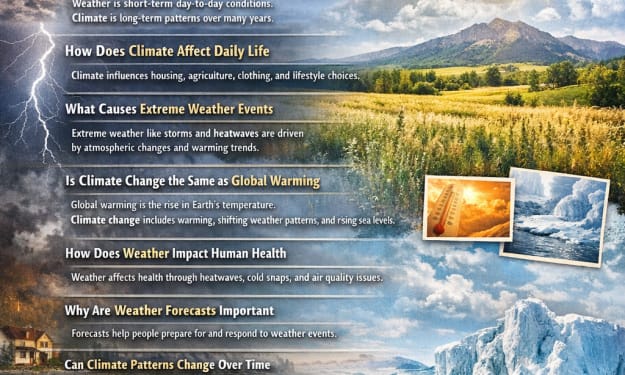
Weather and Climate Understanding the Forces That Shape Our Daily Lives
Weather and Climate Understanding the Forces That Shape Our Daily Lives Weather and climate play a central role in how people live work travel and plan for the future. From daily temperature changes to long term climate patterns these natural systems influence agriculture health economies and even global stability. Understanding the difference between weather and climate and knowing how they affect human life has become more important than ever especially as the world experiences more extreme conditions.
By America today 3 days ago in Earth
Autonomy Is The Real Privilege
Good morning, freedom-seekers! Today we’re gonna be looking at autonomy. A strange word, I know; one many would probably look at blankly and run away from on sight. We’re gonna figure out what it actually means, consider how it’s achieved, and decipher just how deeply most of us are tangled up in dependence without realising it.
By That ‘Freedom’ Guy7 days ago in Humans



Comments
There are no comments for this story
Be the first to respond and start the conversation.