
France Acknowledges Netanyahu's Immunity Amid ICC Arrest Warrant Controversy
ICC Arrest Warrant: French Ministry Affirms Netanyahu's Immunity Amid Legal Controversy
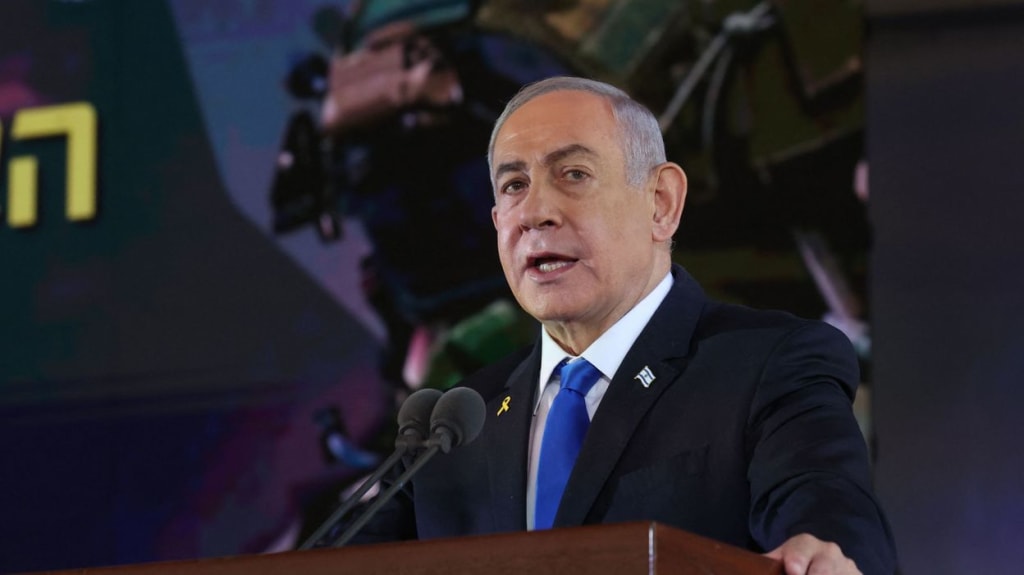
The legal and diplomatic landscape surrounding Israeli Prime Minister Benjamin Netanyahu has sparked international debate following the issuance of an arrest warrant by the International Criminal Court (ICC). France, a signatory to the ICC's Rome Statute, finds itself navigating a delicate balance between international law and the complexities of diplomatic immunity.
The ICC's Allegations Against Netanyahu
The ICC issued warrants last week for Benjamin Netanyahu, former Israeli Defense Minister Yoav Gallant, and Hamas' military leader Mohammed Deif. The charges include allegations of "war crimes" and "crimes against humanity," stemming from recent conflicts in the region. While the ICC's mandate seeks accountability for grave international offenses, its jurisdiction is limited by the cooperation of member states and the recognition of its authority.
Israel, notably, has not ratified the Rome Statute, the treaty that established the ICC. Alongside the United States, which withdrew from the ICC, Israel maintains a position of non-recognition, arguing that the court's actions often display political bias.
France’s Official Stance
The French Ministry of Foreign Affairs clarified its position on November 27, following earlier remarks by Prime Minister Michel Barnier. Barnier had stated that France would "rigorously fulfill its obligations" under international law should Netanyahu visit French territory. However, the Foreign Ministry later underscored that diplomatic immunities must also be taken into account.
“France will adhere to its international obligations, ensuring full cooperation with the ICC,” a statement from the Ministry read. However, it added that under the Rome Statute, states cannot act in ways that contravene their obligations under international law, particularly regarding the immunities granted to leaders of non-member states such as Israel.
Diplomatic Immunity in Focus
Diplomatic immunity for sitting heads of state and high-ranking officials remains a cornerstone of international relations. France's clarification suggests that Netanyahu’s position as Prime Minister grants him legal protections that may preclude any arrest, even under the ICC’s mandate. The Ministry emphasized that such immunities apply to Netanyahu and other implicated Israeli ministers and would influence any decision by France if asked to act on the ICC’s warrant.
This nuanced stance reflects broader debates over the intersection of international law, state sovereignty, and the practical enforceability of ICC decisions. While France supports the ICC’s mission in principle, the realities of geopolitics and existing legal frameworks temper the scope of action.
The ICC’s Limited Reach
The ICC’s lack of universal jurisdiction presents challenges in cases involving non-member states. Its mandates rely heavily on the cooperation of member nations, which can lead to disparities in enforcement. In the case of Israel, which rejects the ICC's legitimacy, executing an arrest warrant would require significant international consensus—something that remains elusive in a polarized global arena.
Broader Implications
The warrant against Netanyahu, while largely symbolic in the current context, underscores growing tensions between the ICC and states accused of committing grave violations. France’s cautious approach highlights the diplomatic tightrope that signatory nations walk when balancing accountability with geopolitical realities.
While the ICC's action aims to address impunity for serious crimes, its effectiveness is often questioned when dealing with powerful nations or their leaders. The court’s ability to enforce its decisions remains constrained, particularly when confronting states that outright reject its authority.
A Controversial Path Forward
As international pressure mounts, the unfolding situation raises key questions about the future of international justice. Will the ICC evolve to hold even the most resistant leaders accountable, or will diplomatic and political considerations continue to limit its reach? For Netanyahu, the French clarification offers temporary reprieve but does little to quell the growing scrutiny surrounding his leadership and alleged actions.
The coming months may reveal whether France, the ICC, or other nations take further steps to address these legal and moral complexities. For now, Netanyahu’s status—and his immunity—remain firmly at the center of this contentious international issue.
About the Creator
Keep reading
More stories from GoldenSpeech and writers in Earth and other communities.
Israel and Hezbollah Agree to Ceasefire Amid Intense International Pressure
Introduction to the Ceasefire Agreement In a significant move toward de-escalation, Israeli Prime Minister Benjamin Netanyahu announced on Tuesday that his security cabinet would adopt a ceasefire later that evening. This ceasefire marks a potential end to over a year of hostilities and two months of intense fighting with Hezbollah in Lebanon. The announcement comes amidst growing international pressure from the United States, the European Union, the United Nations, and the G7, all of whom have called for an immediate halt to the violence.
By GoldenSpeechabout a year ago in Earth
At Least 22 Dead as Crane Collapses Onto Train in Thailand
Thailand has been plunged into mourning after a devastating accident in which a construction crane collapsed onto a moving passenger train, killing at least 22 people and injuring dozens more. The incident, described by officials as one of the deadliest infrastructure-related accidents in recent years, has raised urgent questions about construction safety, urban development, and oversight in the country.
By Aarif Lashari4 days ago in Earth


Comments
There are no comments for this story
Be the first to respond and start the conversation.