
Israel and Hezbollah Agree to Ceasefire Amid Intense International Pressure
Middle East Conflict: Israel Announces Ceasefire with Hezbollah in Lebanon
Introduction to the Ceasefire Agreement
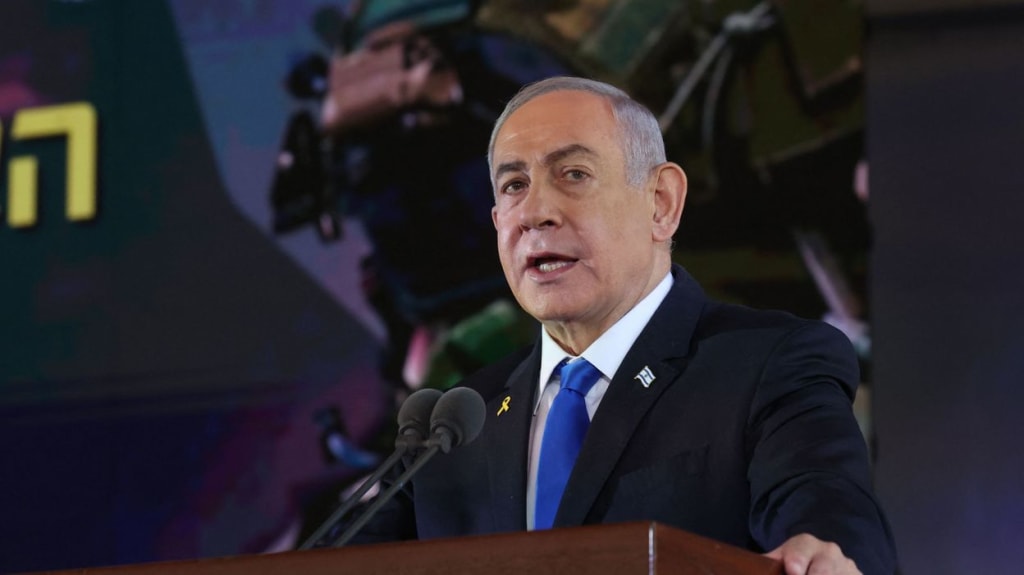
In a significant move toward de-escalation, Israeli Prime Minister Benjamin Netanyahu announced on Tuesday that his security cabinet would adopt a ceasefire later that evening. This ceasefire marks a potential end to over a year of hostilities and two months of intense fighting with Hezbollah in Lebanon. The announcement comes amidst growing international pressure from the United States, the European Union, the United Nations, and the G7, all of whom have called for an immediate halt to the violence.
A Long-Running Conflict Comes to a Head
The conflict between Israel and Hezbollah has escalated in recent months, particularly since September 23, when Israel launched a massive bombing campaign targeting Hezbollah positions in southern Lebanon. These bombings were followed by ground operations that have led to heavy casualties on both sides. Hezbollah, an Iran-backed militia, has been responsible for cross-border attacks on Israeli territory, prompting Israel’s retaliatory airstrikes and ground operations.
Israel's Terms for Ceasefire
Despite agreeing to a ceasefire, Netanyahu emphasized that Israel would maintain the right to respond if Hezbollah violates the truce. He warned that Israel would retain a "total freedom of action" in Lebanon, particularly to counter any potential Iranian influence. Netanyahu also suggested that the ceasefire would allow Israel to focus more on addressing the "Iranian threat," a longstanding concern for Israel’s security.
International Calls for De-Escalation
The announcement of a ceasefire followed intense international calls for a halt to the violence. The United States, the European Union, and other global actors have expressed concern over the rising casualties and the instability in the region. The pressure from the international community has become even more urgent as the conflict continues to escalate, threatening not only Israel and Lebanon but also the broader Middle East.
Lebanese Reaction: Urging Immediate Action
Following Netanyahu’s announcement, Lebanese Prime Minister Najib Mikati urged the international community to act swiftly to implement the ceasefire. Mikati called for an immediate cessation of hostilities, stressing that the toll on Lebanon’s civilians has been devastating. Lebanon, which has already been facing severe economic crises, cannot afford further destruction or loss of life due to the ongoing conflict.
The Role of Hezbollah in the Conflict
Hezbollah’s involvement in this conflict is deeply rooted in the group’s broader regional ambitions. Hezbollah, which is supported by Iran, is not only a militant group but also a key political force within Lebanon. The group’s military activities have been a source of tension between Lebanon and Israel for decades. Hezbollah’s support for the Syrian government during the civil war has further complicated the situation, aligning the group with Iran against Israel’s interests.
Impact of the Conflict on Israel's Domestic Politics
While Israel and Hezbollah are the direct parties involved in the conflict, the situation has also stirred political debates within Israel. Netanyahu’s government faces both internal and external pressure to act decisively against Hezbollah while balancing broader geopolitical concerns, especially regarding Iran. The Israeli military’s operations in Lebanon have been viewed through the lens of Israel’s long-term security strategy in the region, particularly in light of its ongoing confrontation with Iranian-backed forces.
What’s at Stake for Lebanon?
The situation in Lebanon is dire. The country is already dealing with one of the worst economic crises in its history, and the added strain of an ongoing conflict with Israel has further devastated Lebanon’s infrastructure and economy. Civilian casualties have been reported on both sides of the border, with hospitals overwhelmed and thousands displaced. As a result, the Lebanese government is calling for an immediate end to the violence to prevent further harm to its citizens and infrastructure.
Regional Dynamics: The Role of Iran
The involvement of Iran in the conflict cannot be understated. Hezbollah’s military capabilities are largely funded and supported by Iran, which sees Hezbollah as a critical player in its regional strategy. For Israel, the presence of Iranian-backed forces on its borders is a significant threat to its national security. While the ceasefire may bring temporary relief, analysts warn that the underlying tensions, especially those involving Iran’s influence over Hezbollah, remain unresolved.
The Future of the Ceasefire
The immediate question now is whether the ceasefire will hold. While both Israel and Hezbollah have agreed to halt hostilities, the true test will be whether they can maintain the truce in the long term. The political and military landscape in Lebanon remains volatile, and tensions could easily flare up again if either side perceives a violation of the terms of the ceasefire.
International Focus on Preventing Further Violence
As both sides prepare for potential future confrontations, the international community will continue to monitor the situation closely. Efforts to broker a lasting peace remain elusive, and while this ceasefire may offer temporary respite, it does little to address the core issues at the heart of the conflict. The region’s complex political dynamics, combined with Hezbollah’s continued military buildup and its ties to Iran, mean that the Middle East remains a hotbed of instability, and the prospect of lasting peace seems distant.
Conclusion: Uncertain Path Ahead
In the coming days, all eyes will be on Lebanon and Israel to see whether the ceasefire holds. The potential for further violence remains high, and the broader regional tensions show no signs of abating. The conflict between Israel and Hezbollah is far from over, and while the ceasefire provides a temporary lull, the path to a lasting peace in the region remains uncertain.
About the Creator
Keep reading
More stories from GoldenSpeech and writers in Earth and other communities.
California's New EV Tax Credit Plan Sparks Tensions with Tesla and Elon Musk
A Growing Tension Between Newsom and Musk California Governor Gavin Newsom and Tesla CEO Elon Musk may be heading toward another heated dispute. On Monday, Newsom announced plans for a state-level tax credit for electric vehicles (EVs) in response to President-elect Donald Trump’s threats to eliminate federal green subsidies. However, Tesla, one of the most prominent EV manufacturers, could be left out of these new incentives.
By GoldenSpeechabout a year ago in Earth
TODAY’S WEATHER NEWS ACROSS THE UNITED STATES WHAT AMERICANS SHOULD EXPECT RIGHT NOW
TODAY’S WEATHER NEWS ACROSS THE UNITED STATES WHAT AMERICANS SHOULD EXPECT RIGHT NOW Weather conditions continue to be one of the most discussed daily topics across the United States, especially as seasonal transitions bring noticeable changes in temperature, storms, and regional weather patterns. Today’s weather reflects a mix of warming trends, lingering cold pockets, and active systems affecting different parts of the country. From the West Coast to the East Coast, Americans are paying close attention to how temperatures will feel, whether rain or snow is expected, and how conditions may impact daily routines.
By America today about 7 hours ago in Earth
The Reality of the Illusion of Time
Recently, as I strolled along the short stretch to my strength training session, I aimlessly took in the row of tatty shops and shabby buildings along the route and passed an off-street, in which one of my sisters used to live, around thirteen years ago.
By Chantal Christie Weiss4 days ago in Earth
How to Succeed at the Benson Directory®
Congratulations and welcome to the Benson Directory® employee #22391! As our newest call handler, you will have the privilege of speaking with dozens of unique and interesting people on a daily basis as well as the opportunity to earn bonuses for high performance. Contained within this handbook you will find a set of ease to follow instructions designed to help you settle in to your new role and begin paving the way to success.
By S. A. Crawforda day ago in Fiction



Comments
There are no comments for this story
Be the first to respond and start the conversation.