
Food Revolution and Food Security Solutions in Indonesia
Reclaiming Culinary Heritage and Sovereignty

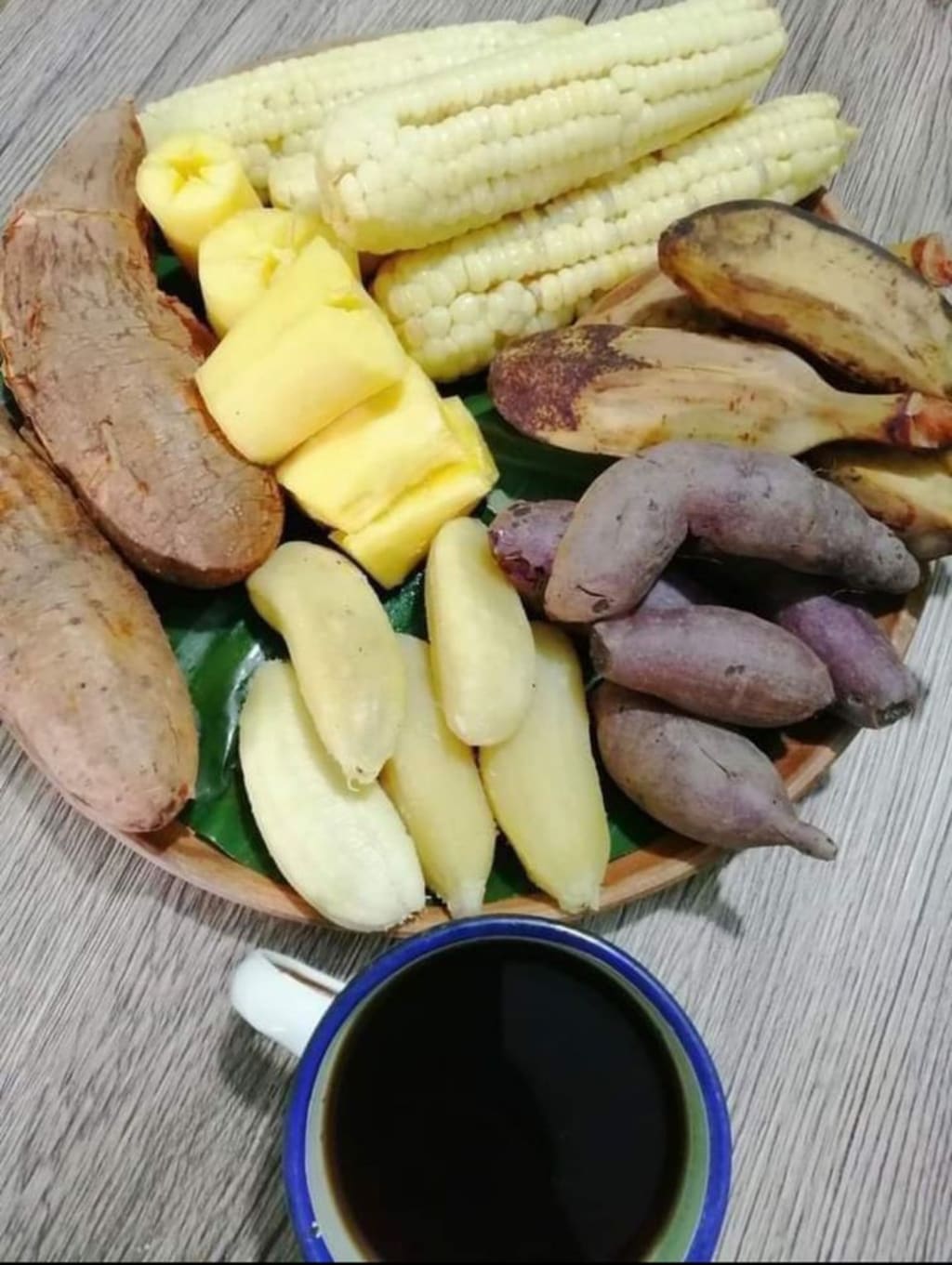
In the intricate tapestry of global food systems, Indonesia emerges as a profound case study of transformation, resilience, and the ongoing struggle for food sovereignty. As our world grapples with increasing food insecurity and environmental challenges, the Indonesian archipelago offers a compelling narrative of cultural adaptation and systemic reinvention.
Long before the winds of modernization swept across its islands, Indonesia was a living museum of ecological and culinary diversity. Each region was a unique ecosystem, a testament to the intimate relationship between geography, climate, and human sustenance. From the lush tropical forests of Sumatra nurturing sago, cassava, and sweet potato cultures to the sophisticated irrigation systems of Java cultivating intricate rice paddy landscapes, the archipelago represented a microcosm of agricultural innovation.
The traditional food system was far more than a mere mechanism of food production. It was a complex knowledge ecosystem passed down through generations, where communities developed deep connections with local food sources. Sustainable agricultural technologies, sophisticated preservation methods, and community-based food resilience were not abstract concepts but lived realities. Cultural rituals intertwined with food production cycles, creating a holistic approach to survival and sustenance that modern industrial agriculture often overlooks.
The 1960s marked a critical turning point in this delicate ecological and cultural balance. The Green Revolution, initiated by the New Order government, represented a systematic deconstruction of traditional food systems. Driven by the ambition of rice self-sufficiency and reducing food import dependencies, this transformation went far beyond agricultural techniques. As Dr. Prajarto Harjosuwito, a leading food expert from Gadjah Mada University, eloquently observed, this was a fundamental restructuring of a food ecosystem that had evolved over centuries.
The consequences of this transformation unfolded like a complex ecological narrative. Traditional culinary knowledge began to erode, replaced by a monoculture approach that prioritized rice production above all else. Today, approximately 90% of Indonesians consume rice as their primary staple, a stark departure from the rich dietary diversity that once characterized the archipelago. This shift was not merely a change in agricultural practice but a profound cultural transformation that disconnected communities from their ancestral food traditions.
Ecologically, the impact was devastating. Lands that once hosted a vibrant mosaic of crops became dominated by specific rice varieties. Traditional farmers found themselves increasingly marginalized, their generational knowledge becoming obsolete in the face of industrial agricultural methods. Economically, the system created a cycle of dependency, with farmers relying on external inputs like seeds, fertilizers, and chemical pesticides, placing them in increasingly vulnerable positions.
The fragility of this national food system became starkly evident in the past decade, particularly between 2020 and 2023. Dramatic rice price surges of 30-40% in various regions, coupled with significant rice imports, exposed the systemic vulnerabilities in national food management. Indonesia's complex geographical landscape as an archipelagic nation further complicated food distribution, with limited infrastructure and high transportation costs creating substantial disparities in food production and consumption.
Recognizing these challenges, food security experts have begun advocating for comprehensive systemic reforms. Professor Dr. Saiful Bahri from the Agricultural Institute of Bogor emphasizes the critical need to revive community-based food storage systems and promote local food production. Dr. Maria Sumardjono, an agrarian expert from Gadjah Mada University, pushes the discourse further, arguing that protecting farmers' rights is fundamental to building sustainable food security.
The path forward is not about romanticizing traditional practices but about creating a nuanced, adaptive approach that respects both ancestral wisdom and contemporary technological innovations. The emerging "Food Barn Revolution" represents more than an academic or developmental concept—it is a movement to restore sovereignty, identity, and ecological sustainability to Indonesia's food ecosystem.
This journey demands an intricate balance of intergenerational commitment, multidisciplinary collaboration, and a collective awakening to the importance of food heritage. It requires reimagining agricultural practices that are not just productive, but also resilient, sustainable, and culturally meaningful. Public education about local food diversity, technological support for farmers, and policy frameworks that prioritize community needs are crucial elements of this transformation.
As global conversations around food security, climate change, and sustainable development continue to evolve, Indonesia's experience offers a powerful narrative. It is a reminder that food is never just about nutrition—it is about culture, identity, ecological balance, and human dignity. The ongoing revolution in Indonesia's food system is not just a local story, but a global lesson in resilience, adaptation, and the profound interconnectedness of human communities with their natural environments.
References
1. Harjosuwito, P. (2021). Transformation of Indonesia's Food Ecosystem. Yogyakarta: Gadjah Mada University Press.
2. Bahri, S. (2022). "Building Community-Based Food Security". Sustainable Agriculture Journal, 15(2), 45-67.
3. Sumardjono, M. (2020). Agrarian Reform: Challenges in Food Sovereignty Implementation. Jakarta: Kompas Book Publisher.
Disclaimer: The views in this article are academic research findings and do not intend to discredit any party.
About the Creator
Defrida
Writing is how I create my own universe of thought. Without it, I'd vanish into the swirling depths of a black hole.
Hemp as a sustainable material
The ecological properties of hemp makes it one of the types of insulation used in construction with the lowest carbon emissions footprint. In the future, hemp could play a paramount role in the race towards reducing the global carbon emissions footprint to fight climate change, and a more sustainable construction industry.
By Susan Fourtané 3 days ago in Earth
A System That Isn’t Working Challenge Winners
Systems promise order. They organize behavior, distribute opportunity, and suggest that if everyone follows the rules, things will work. The entries in A System That Isn’t Working look closely at what happens when that promise begins to slip.
By Vocal Curation Team5 days ago in Resources



Comments
There are no comments for this story
Be the first to respond and start the conversation.