
Flowers That Survive Fire: How Some Plants Bloom After Flames
From ashes to blossoms — meet the plants that need fire to live.

Fire Poppy: The Bloom That Waits for Flames
The fire poppy (Papaver californicum) is a rare wildflower that only appears after a wildfire. For most of its life, its seeds lie dormant underground, waiting in silence. But when fire sweeps through the landscape and burns away the competition, the heat and chemicals from the smoke act as a trigger.
Once awakened, the seeds germinate rapidly, taking advantage of the newly cleared, nutrient-rich soil. Their sudden appearance adds a burst of bright orange to blackened earth, signaling nature’s renewal.
Without fire, the fire poppy stays hidden. It’s not just adapted to survive flames — it depends on them.
Banksia: Woody Cones That Need Heat to Open
Native to Australia, banksia plants have evolved alongside some of the harshest fire regimes on Earth. Their flowers form tough, woody cones that hold seeds tightly shut for years.
When a fire burns through the landscape, the intense heat causes these cones to crack open, releasing seeds onto the freshly cleared ground. These seeds then germinate, free from shade and competition.
This process, known as serotiny, is common in fire-prone environments. For banksia, fire is not a disaster — it’s a birth signal.
Eucalyptus: Oil-Rich Leaves and Fire-Triggered Regrowth
Eucalyptus trees, famous for their strong scent, contain oils that are highly flammable. In fact, they often help fuel wildfires. But this isn’t accidental — it’s part of their life strategy.
After a fire, the tree’s underground lignotuber (a woody root mass) sends out new shoots, allowing the plant to regrow quickly while competitors are gone. Some eucalyptus species also have seeds that only sprout after fire.
Their relationship with fire is complex: dangerous on the surface, but life-sustaining underneath.
Protea: The Survivor of South African Flames
In the fynbos biome of South Africa, wildfires are a regular occurrence. And among the most iconic plants there is the protea.
Many protea species produce hard seed heads that stay closed until fire passes. The heat not only opens the seeds but clears space for seedlings to grow. These plants are also adapted to regrow from their base if their top growth is burned.
In this region, fire acts like a seasonal reset button — and proteas are ready for it every time.
Lupines: Soil Healers After Fire
Some species of lupine, especially in North America, are early colonizers of burned landscapes. While fire doesn’t always trigger their seeds, it removes competitors and exposes bare mineral soil that they love.
Lupines belong to the legume family, meaning they form partnerships with bacteria that fix nitrogen in the soil. This not only helps them grow in poor conditions but improves the soil for other plants later.
They’re not just fire survivors — they’re ecosystem restorers.
Knobcone Pine: The Tree That Traps Its Own Seeds
The knobcone pine (Pinus attenuata) is sometimes called the “tree with sealed secrets.” Its cones can stay closed for decades, holding onto seeds that never drop — unless there’s a fire.
Heat from flames melts the resin sealing the cones, allowing the seeds to fall out and take root in the cleared land. Without fire, entire generations of seeds would never see daylight.
It’s another example of serotiny, where destruction is the trigger for regeneration.
Chaparral Plants: Dormancy Broken by Smoke
In California’s chaparral ecosystems, many flowering plants rely not just on heat, but chemicals in smoke to germinate. Species like whispering bells (Emmenanthe) or yerba santa only begin to sprout when exposed to certain compounds in wildfire smoke.
Scientists have even isolated these compounds, such as karrikins, which stimulate seed growth. These plants are tuned not just to the fire itself — but to its smoky aftermath.
Without fire, their seeds would continue sleeping underground, waiting for the one signal they trust: the scent of smoke.
Pine Lily: A Beauty That Rises From Ash
The pine lily (Lilium catesbaei) is a stunning wildflower native to the southeastern U.S., particularly in pine flatwoods. These ecosystems depend on frequent, low-intensity fires to remain open and healthy.
Without fire, shrubs overgrow the area and shade out the pine lily. But after fire clears the undergrowth, this bold orange-and-yellow flower can finally stretch toward the sun and bloom.
It’s a species that doesn’t just survive fire — it flourishes because of it.
Community
Fire is often seen as the end. But in nature, for many flowers and plants, fire is a beginning.
From the fire poppy’s surprise appearance to banksia’s woody explosions and the whisper of seeds responding to smoke — fire is not destruction, but transformation. These plants have learned to not just endure flames, but depend on them for life.
So next time you hear of a wildfire, remember this: somewhere beneath the ashes, a flower is getting ready to bloom.
If you found this surprising, share it with someone who thinks fire only brings ruin. Nature is more resilient — and clever — than we give it credit for.
About the Creator
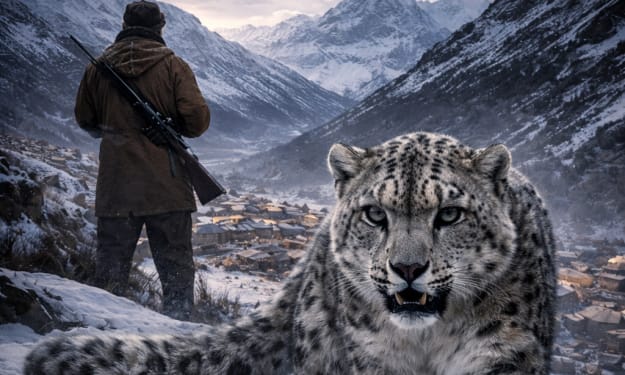
Human Revenge: A Hidden Cause Behind the Decline of Snow Leopards
High in the rugged mountains of Central and South Asia lives one of the world’s most mysterious and beautiful big cats—the snow leopard. Known for its thick grey-white fur, long tail, and incredible ability to blend into rocky landscapes, this elusive predator has fascinated scientists and wildlife lovers for decades. Yet despite its beauty and ecological importance, the snow leopard faces a growing threat: human revenge.
By Irshad Abbasi 6 days ago in Earth



Comments
There are no comments for this story
Be the first to respond and start the conversation.